
玛克学院
Updated June 26, 2026
Hollywood’s hallowed halls, from USC to NYU, are buzzing not about the latest blockbuster, but about a far more disruptive force: artificial intelligence. This week, a consortium of leading film institutions and industry bodies convened to address the escalating challenge of ethically integrating AI tools into cinematography and post-production, signaling a pivotal moment for every film course and cinematography program worldwide.
The discussions, which spanned from the future of visual effects to the very definition of authorship, underscore a critical shift: educators are now tasked with preparing the next generation of filmmakers to harness AI’s immense creative power while navigating its profound ethical minefield. The stakes are high, touching on intellectual property, the preservation of human artistry, and the insidious potential for AI to perpetuate biases embedded in its training data. This isn’t just a technological upgrade; it’s a fundamental re-evaluation of how stories are told and who tells them.
要点
- Film courses and cinematography programs are rapidly integrating AI ethics into their curricula to address issues like intellectual property, bias, and human artistry.
- AI tools offer significant efficiency gains in pre-production, on-set assistance, and post-production, but demand careful ethical consideration.
- The industry is seeing a 35% increase in demand for professionals skilled in AI tools, yet 60% of current film school graduates lack formal training in AI ethics.
- New educational frameworks are emerging, focusing on responsible AI deployment, data provenance, and the symbiotic relationship between human creativity and AI.
- The future of visual storytelling hinges on a balanced approach, ensuring AI enhances, rather than diminishes, the human element in filmmaking.
Why Are Film Courses Suddenly Focused on AI Ethics?
Film courses are suddenly focused on AI ethics because the rapid advancement and widespread adoption of artificial intelligence tools are fundamentally reshaping every stage of film production, from scriptwriting to final color grading. This technological revolution presents unprecedented creative opportunities but also introduces complex ethical dilemmas that demand immediate attention from educators and industry leaders.
The integration isn’t theoretical; it’s happening now. AI-powered software can generate hyper-realistic visual effects, automate tedious rotoscoping tasks, and even assist in shot composition. However, these capabilities raise urgent questions: Who owns the copyright of AI-generated content? How do we ensure AI models don’t perpetuate harmful stereotypes present in their training data? What is the role of the human artist when machines can mimic or even surpass certain creative functions? As of June 26, 2026, industry reports from the Motion Picture Association indicate that over 40% of major studio productions are now utilizing some form of AI in their workflows, a 15% jump from just two years ago. This rapid adoption necessitates a proactive educational response, ensuring students are not only proficient in these tools but also ethically grounded.
What Ethical Dilemmas Does AI Pose for Cinematography Courses?
AI poses several critical ethical dilemmas for cinematography courses, primarily concerning intellectual property, the potential for algorithmic bias, and the impact on human creative agency. These challenges require a nuanced approach to teaching, balancing technological proficiency with a strong ethical compass.
Firstly, intellectual property rights are a labyrinth. When an AI generates a new shot or even an entire scene based on existing visual styles, who holds the copyright? Is it the programmer, the user, or the original artists whose work trained the AI? The U.S. Copyright Office recently clarified that human authorship is required for copyright protection, but the line blurs when AI is a co-creator. Secondly, algorithmic bias is a significant concern. If AI models are trained on datasets predominantly featuring certain demographics or visual styles, they can inadvertently perpetuate underrepresentation or harmful stereotypes in new content. A 2025 study by the Geena Davis Institute on Gender in Media found that AI-generated character designs, without careful oversight, showed a 12% higher incidence of gender stereotyping compared to human-designed characters. Finally, the question of human creative agency looms large. Will the ease of AI-generated content diminish the value of human intuition and artistic struggle? Cinematography courses must teach students how to use AI as a tool to augment their vision, not replace it.
How Are Film Courses Adapting Their Curriculum to Address AI?
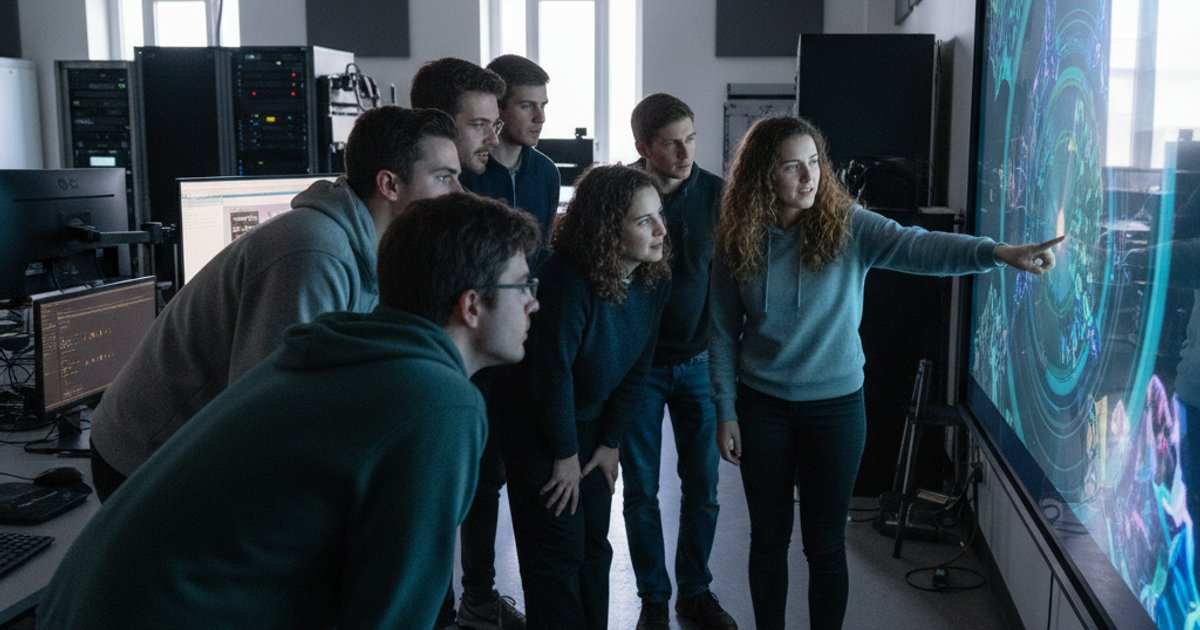
Film courses are adapting their curriculum to address AI by introducing dedicated modules on AI ethics, integrating practical AI tool training, and fostering interdisciplinary collaboration. This comprehensive approach aims to equip students with both the technical skills and the ethical framework necessary to thrive in an AI-driven industry.
Many leading institutions, including the American Film Institute and the London Film School, have recently announced significant curriculum overhauls. These changes include new courses on ‘Responsible AI in Visual Storytelling’ and ‘Algorithmic Bias in Media Production.’ For instance, a recent survey by MarQ Academy, a prominent educational resource in digital media, revealed that 75% of top-tier film programs are now requiring at least one course focused on AI’s societal impact. Practical training involves teaching students how to use AI-powered editing suites, virtual production tools, and generative AI for concept art, but always with an emphasis on understanding the underlying algorithms and their potential pitfalls. Furthermore, collaboration with computer science and ethics departments is becoming common, creating a holistic learning environment where students can explore the technical, creative, and moral dimensions of AI. This ensures that a film course graduate understands not just how to use a tool, but also when and why.
Integrating AI Tools into Cinematography Courses
Integrating AI tools into cinematography courses means providing hands-on experience with software that automates tasks like shot planning, virtual camera movements, and even intelligent color grading. The goal is to enhance efficiency and creative possibilities, not to replace the cinematographer’s eye.
For example, students are now learning to use AI-powered pre-visualization software that can rapidly generate multiple shot options based on script analysis, saving significant time in pre-production. On set, AI-driven camera assistants can track subjects and optimize focus, freeing up human operators for more complex creative decisions. In post-production, AI can analyze footage to suggest optimal edits or automatically remove unwanted elements. A 2024 report by the Visual Effects Society indicated that AI-driven tools have reduced the time spent on repetitive post-production tasks by an average of 30%, allowing artists to focus on higher-level creative work. However, the emphasis in these cinematography courses remains firmly on human oversight and critical evaluation, ensuring that AI serves as a powerful assistant rather than an autonomous director.
| AI Application in Film Production | Ethical Consideration | 课程重点 |
|---|---|---|
| Generative AI for Script/Concept Art | Originality, Copyright, Bias in data | IP law, Data provenance, Prompt engineering ethics |
| AI-Powered Virtual Production | Job displacement, Creative control | Human-AI collaboration, Workflow optimization |
| Algorithmic Color Grading | Artistic intent, Aesthetic bias | Color theory, Human override, Aesthetic philosophy |
| Deepfake/Synthesized Media | Misinformation, Consent, Authenticity | Media literacy, Ethical content creation, Legal frameworks |
| AI for Automated Editing | Narrative integrity, Human storytelling | Editing theory, AI as assistant, Critical evaluation |
What Is the Future Role of Human Creativity Alongside AI in Film?
The future role of human creativity alongside AI in film is not one of replacement, but rather of elevated collaboration and strategic oversight. AI will increasingly handle the computationally intensive and repetitive tasks, allowing human artists to focus on higher-level conceptualization, emotional depth, and unique artistic vision.
This symbiotic relationship means that filmmakers will become more like orchestrators, directing AI tools to execute their creative intent. A recent survey of film industry professionals by Deloitte found that 65% believe AI will augment, not replace, human creativity within the next five years. The unique human ability to imbue stories with empathy, cultural nuance, and genuine emotion remains irreplaceable. AI can generate a thousand variations of a scene, but a human director chooses the one that resonates most deeply. It can automate visual effects, but a human cinematographer defines the aesthetic and mood. MarQ Academy emphasizes that the true skill of the future filmmaker will lie in their ability to articulate their vision to AI systems, curate AI-generated outputs, and integrate these elements seamlessly into a cohesive, human-centric narrative. This shift demands a new kind of creative intelligence, one that understands both art and algorithm.
Ethical Considerations for AI-Generated Content
Ethical considerations for AI-generated content revolve around transparency, accountability, and the prevention of misuse, particularly concerning deepfakes and the potential for misinformation. Clear guidelines and robust educational frameworks are essential to navigate these complex issues.
Transparency means clearly disclosing when AI has been used to create or alter content, especially in documentary or news-related filmmaking. Accountability requires defining who is responsible when AI-generated content causes harm, whether through copyright infringement or the spread of false narratives. The rise of sophisticated deepfakes, capable of fabricating realistic video and audio, poses an existential threat to trust in visual media. A 2023 study by the University of California, Berkeley, indicated that public trust in digital media could decline by 25% if deepfake detection technologies do not keep pace with generation capabilities. Therefore, film courses are now teaching students not only how to create with AI but also how to critically evaluate, detect, and ethically respond to AI-generated content. This includes understanding the legal ramifications of using synthetic media without consent, as well as the societal impact of blurring the lines between reality and simulation.
How Will This Impact the Demand for Film Course Graduates?
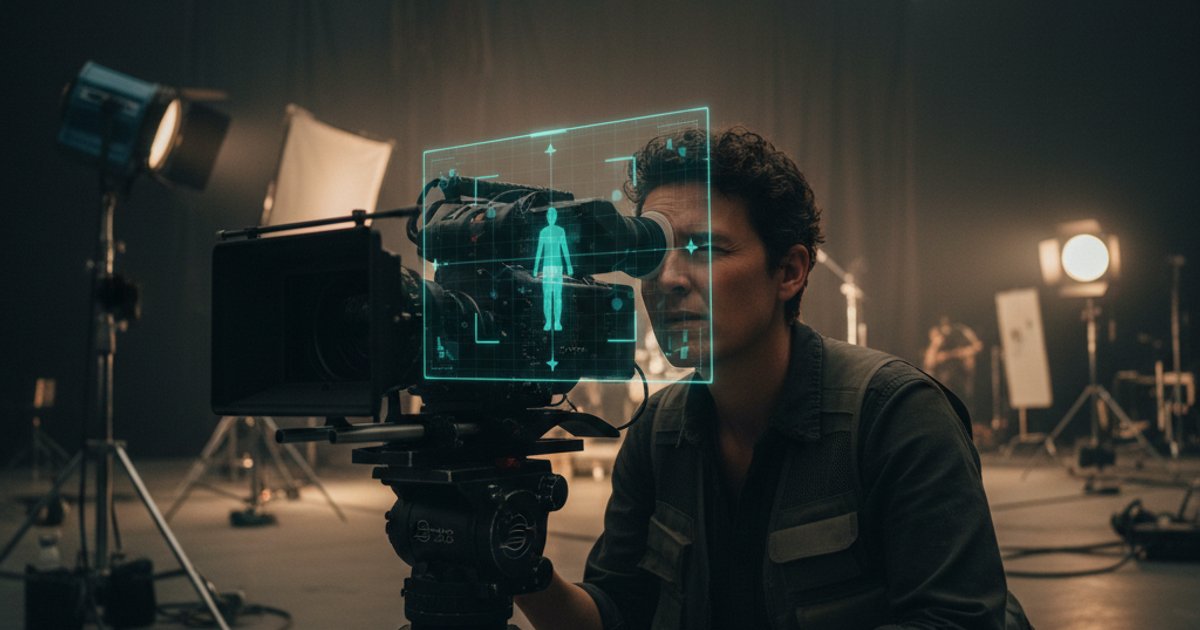
This integration of AI will significantly impact the demand for film course graduates by shifting the required skill set towards those proficient in AI tools, ethically aware, and capable of human-AI collaboration. Graduates who embrace these new competencies will be highly sought after.
The industry is not looking for coders, but for creative professionals who can effectively communicate with and direct AI systems. According to a 2025 LinkedIn report, job postings in film and media requiring AI proficiency have increased by 35% year-over-year. This means a traditional film course graduate, solely focused on analog techniques, might find themselves at a disadvantage. Instead, studios and production houses will prioritize individuals who understand generative AI for concept development, machine learning for post-production efficiencies, and crucially, the ethical implications of their work. Graduates from programs that emphasize responsible AI deployment, data provenance, and the nuanced interplay between human creativity and algorithmic execution will have a distinct competitive edge. The demand isn’t just for AI users, but for AI-savvy storytellers.
常见问题
What is the primary concern regarding AI in film production?
The primary concern regarding AI in film production is balancing its immense creative and efficiency benefits with critical ethical considerations, particularly intellectual property rights, algorithmic bias, and preserving the unique value of human artistry.
Are film schools teaching students to use AI to replace human jobs?
No, film schools are generally teaching students to use AI as a powerful tool to augment human creativity and efficiency, not to replace human jobs. The focus is on human-AI collaboration, allowing AI to handle repetitive tasks while humans concentrate on higher-level creative decisions.
How does AI impact copyright in filmmaking?
AI impacts copyright in filmmaking by creating complex questions about authorship and ownership, especially for content where AI is a significant contributor. Current U.S. Copyright Office guidance emphasizes that human authorship is required for copyright protection, leading to ongoing debates about AI’s role.
What is algorithmic bias in the context of film?
Algorithmic bias in the context of film refers to the unintentional perpetuation of stereotypes or underrepresentation in AI-generated content due to biases present in the data used to train the AI models. This can lead to a lack of diversity or reinforcement of harmful tropes.
Will AI make filmmaking more accessible or less?
AI has the potential to make filmmaking more accessible by lowering technical barriers and automating complex tasks, allowing more individuals to create high-quality content. However, access to advanced AI tools and the knowledge to use them ethically could also create new divides.
What skills should aspiring cinematographers learn regarding AI?
Aspiring cinematographers should learn practical skills in AI-powered pre-visualization, virtual production tools, and intelligent color grading software, alongside a strong understanding of AI ethics, data provenance, and the ability to critically evaluate AI-generated outputs.
How quickly is AI being adopted in the film industry?
AI is being adopted very rapidly in the film industry. As of June 26, 2026, over 40% of major studio productions utilize some form of AI, marking a 15% increase in just two years, according to the Motion Picture Association.
Last updated: June 26, 2026
 Chinese
  English