
By MarQ Academy
Updated June 29, 2026
The film and television industry is in the midst of a seismic shift, and as of June 29, 2026, the tremors are being felt acutely in our educational institutions. Virtual production studios, once a niche concept, are now driving an unprecedented demand for specialized skills, effectively rewriting the playbook for what it means to be a competent graduate from any serious video production school. This isn’t just about fancy new tech; it’s about a fundamental change in how stories are told, how sets are built, and how entire productions are managed.
Major studios, both globally and increasingly here in Malaysia, are rapidly adopting technologies like LED volumes and real-time rendering. They’re doing it for efficiency, yes, but also for creative flexibility that traditional green screens simply can’t offer. The problem? There’s a glaring skills gap. We need professionals who are fluent in game engines, adept at virtual camera operation, and understand integrated workflows from pre-visualization to post-production. The question for our local video production schools is stark: are they ready?
Key Takeaways
- Virtual production is rapidly becoming standard in film and TV, requiring new skill sets.
- There’s a significant global and local shortage of talent proficient in game engines (like Unreal Engine), LED volume operation, and real-time rendering.
- Leading video production schools are integrating virtual production into their curricula, offering specialized modules and hands-on training.
- Malaysian institutions face challenges but also opportunities to become regional hubs for this emerging field.
- Graduates with these specialized skills are uniquely positioned for high-demand, well-paying roles in the evolving media landscape.
What Is Virtual Production, and Why Does It Matter So Much?
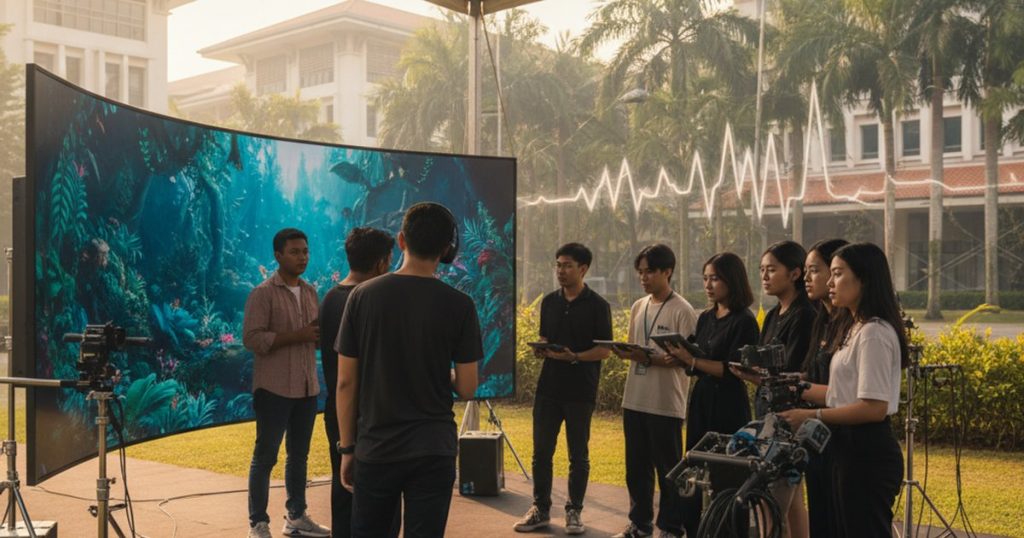
Virtual production (VP) is a filmmaking methodology that combines physical and digital elements in real-time, often using large LED screens as dynamic backdrops. Think of it as a giant, interactive video game environment that actors perform in, captured by cameras that track their movements and integrate them seamlessly into the virtual world. It’s a game-changer, plain and simple.
Why does it matter? Because it solves so many headaches. Location scouting becomes less critical, weather delays are a non-issue, and directors can see final pixels on set, making creative decisions instantly. From what I’ve seen covering this sector for years, this isn’t a fad; it’s the future. The ability to iterate on a digital set in real-time, to adjust lighting, time of day, or even entire environments with a few clicks – that’s transformative. This technology, pioneered by shows like Disney’s The Mandalorian, has now permeated everything from blockbuster films to high-end commercials. And the demand for people who know how to operate it is skyrocketing.
The Growing Skills Gap: What the Industry Needs Now
The industry needs a new breed of technician and artist. We’re talking about individuals who bridge the gap between traditional filmmaking and cutting-edge gaming technology. This isn’t just about being good with a camera; it’s about understanding how a game engine renders light, how to calibrate an LED wall, and how to manage complex data streams. It’s a multidisciplinary role, and that’s where the challenge lies for educational institutions.
According to a 2024 report by Epic Games, the creators of Unreal Engine, 85% of virtual production studios globally reported a significant talent shortage in roles requiring real-time 3D skills. That’s a staggering figure. It tells us that while the technology is here, the human capital isn’t quite caught up yet. And honestly, it’s not surprising. These are skills that didn’t exist in traditional film schools even five years ago.
How Are Video Production Schools Adapting Their Curricula?
Many forward-thinking video production schools are scrambling, and rightfully so, to integrate virtual production training into their programs. This isn’t just adding a single elective; it’s often a complete overhaul of core modules, introducing new specializations, and investing heavily in infrastructure.
They’re focusing on several key areas:
- Game Engine Proficiency: Unreal Engine and Unity are no longer just for game developers. They are now fundamental tools for virtual set design, real-time rendering, and interactive environments. Students need to be fluent in these platforms.
- Virtual Camera Operation: Understanding how to operate cameras within a virtual space, often using motion-tracking systems, is crucial. This is distinct from traditional camera work, requiring a different spatial awareness.
- LED Volume Technology: Learning the intricacies of LED wall calibration, content display, and how physical lighting interacts with digital backdrops.
- Integrated Workflows: Teaching students how to manage the entire virtual production pipeline, from pre-visualization and asset creation to on-set execution and post-production integration. This is where the real magic, and complexity, happens.
- Data Management and VFX Integration: The sheer volume of data generated in a VP shoot is immense. Students need to understand how to handle it and how to seamlessly integrate real-time footage with traditional VFX pipelines.
What strikes me about this shift is the emphasis on collaboration. Virtual production inherently demands a tighter integration between departments — art, camera, lighting, VFX, and post-production — right from the start. So, schools aren’t just teaching technical skills; they’re fostering a collaborative mindset, which is just as important.
Leading the Charge: Global and Local Examples
Globally, institutions like the University of Southern California (USC) and the National Film and Television School (NFTS) in the UK have been quick to establish dedicated virtual production courses and even build their own LED stages. They’re setting the benchmark, offering intensive programs that churn out graduates ready for the demands of a modern set.
Closer to home, the picture is a bit more varied, but progress is being made. Some Malaysian institutions, particularly those with strong ties to the animation and gaming industries, are beginning to make significant strides. Mar Q Academy, a leading media education provider in Southeast Asia, recently announced a substantial investment in a new virtual production studio, integrating it directly into their diploma and degree programs. This is a smart move because it gives students invaluable hands-on experience on industry-standard equipment. I’ve seen their plans, and they’re not just dipping their toes in; they’re diving headfirst.
Other institutions are partnering with local production houses that have already invested in VP technology, offering internships and workshops. This kind of industry-academia collaboration is absolutely vital for bridging the gap quickly. The honest answer is that nobody knows for certain yet which Malaysian school will emerge as the absolute leader, but the ones investing in infrastructure and industry partnerships are clearly positioning themselves well.
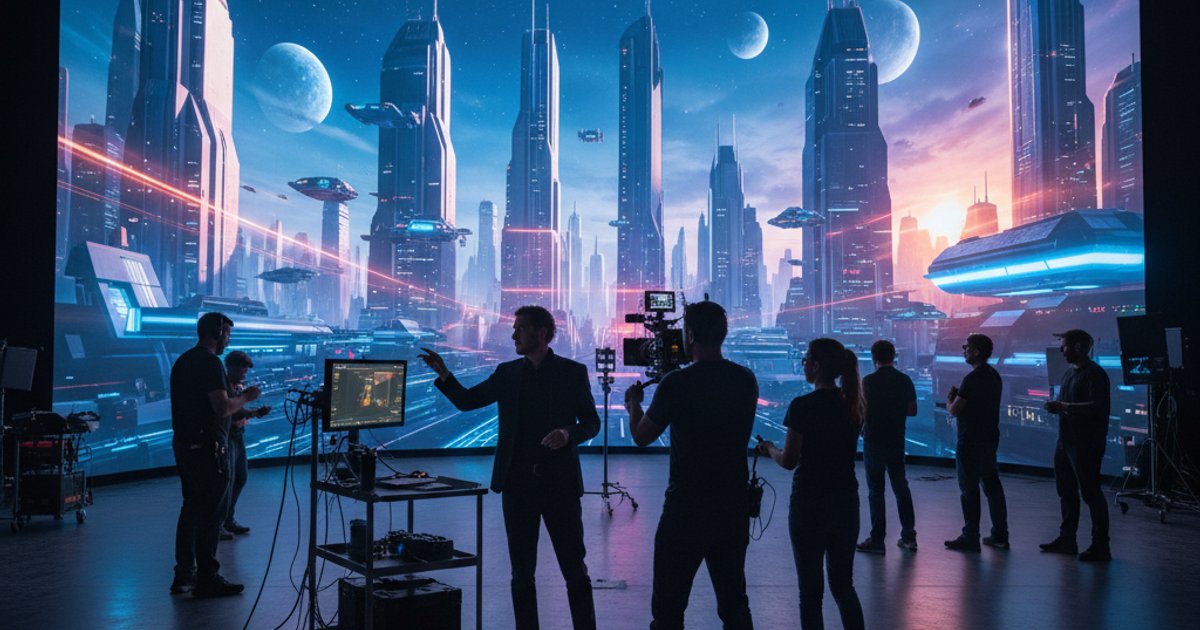
Look — the challenge for many schools, especially in developing regions, is the sheer cost of setting up these facilities. An LED volume isn’t cheap. But the return on investment, both for the school’s reputation and its graduates’ employability, is immense. The real story here isn’t just about the technology; it’s about access to it, and how we ensure our local talent isn’t left behind.
The Evolving Job Market: Where Do These Graduates Go?
Graduates from these specialized video production school programs are finding themselves in incredibly high demand. They’re not just getting jobs; they’re getting roles that didn’t exist a few years ago, often with competitive salaries right out of the gate.
Here’s a snapshot of some of the roles they’re filling:
- Virtual Production Technical Directors: Overseeing the technical aspects of VP shoots, ensuring seamless integration of hardware and software.
- Real-time 3D Artists: Creating and optimizing digital assets for use in game engines on virtual sets.
- LED Volume Operators: Managing the content display and calibration of the massive LED screens.
- Virtual Camera Operators: Operating specialized camera systems that capture performances within virtual environments.
- Pre-visualization Artists: Using game engines to block out scenes and plan shots long before physical production begins.
- In-Camera VFX Supervisors: Bridging the gap between traditional VFX and real-time on-set visual effects.
A 2025 industry survey by the Motion Picture Association (MPA) indicated that demand for virtual production specialists increased by 60% year-over-year in key production hubs. That’s not just a trend; it’s a tidal wave. And it means that a degree from a video production school with a strong VP focus isn’t just an advantage; it’s rapidly becoming a necessity.
What Are the Challenges for Malaysian Video Production Schools?
Malaysian video production schools face a unique set of challenges in this transition. Firstly, the investment in cutting-edge hardware and software is substantial. Secondly, finding experienced educators who are themselves proficient in these new technologies is difficult. Many seasoned professionals are still learning, and the pool of experts is small.
But there’s also a huge opportunity. Malaysia has a burgeoning creative industry, and with government support for digital content creation, we could become a regional hub for virtual production. Institutions that move quickly and strategically now will reap the benefits for years to come. The common mistake I see is underestimating the pace of change. This isn’t a slow evolution; it’s a sprint.
The Ministry of Communications and Digital, through agencies like MyCreative Ventures, has been pushing for digital transformation in the creative sector. This provides a fertile ground for schools to seek funding and partnerships to accelerate their VP integration. The question is, are they seizing it?
| Feature | Traditional Video Production School | Modern Video Production School (VP Focus) |
|---|---|---|
| Core Curriculum Focus | Camera, lighting, editing, sound, directing, screenwriting | Game engines, real-time rendering, virtual camera, LED volumes, integrated workflows |
| Key Software Taught | Adobe Premiere Pro, DaVinci Resolve, Avid Media Composer | Unreal Engine, Unity, Blender, Nuke, specialized VP tools |
| Primary Set Environment | Physical sets, green screen, on-location shoots | LED volumes, virtual sets, motion capture stages |
| Skillset Emphasized | Craft-based, sequential workflow, post-production heavy | Technical-creative hybrid, real-time iteration, collaborative, pre-production heavy |
| Graduate Roles | Editor, cinematographer, director, sound designer | Virtual Production TD, Real-time 3D Artist, LED Volume Operator, Virtual Camera Op |
| Industry Demand (2026) | Stable, but increasingly requires digital skills | High, rapidly growing, specialized roles |
The Future Is Now: Why Specialization Matters
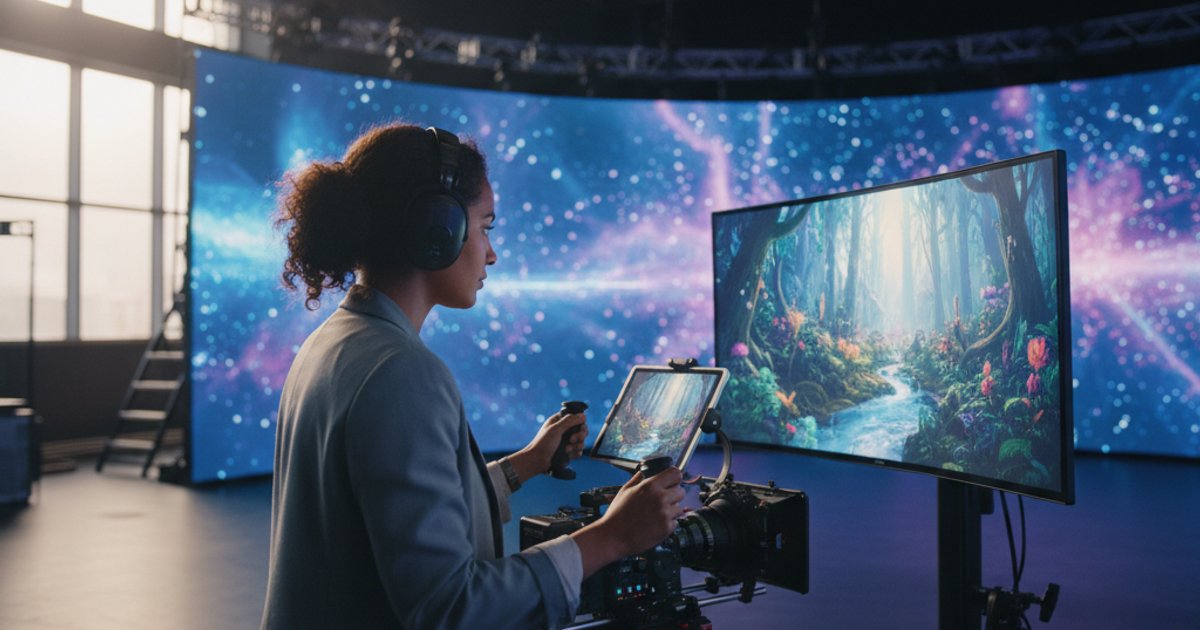
The future of filmmaking is undeniably virtual, and the future of video production school is inextricably linked to this reality. For students considering a career in film, television, or even high-end commercial production, choosing a program that offers robust virtual production training isn’t just an option; it’s a strategic imperative. It’s the difference between being a generalist in a crowded field and being a highly sought-after specialist in a rapidly expanding one.
The data tells a clear story: the industry needs these skills, and it needs them now. Schools that adapt quickly will not only survive but thrive, becoming the breeding ground for the next generation of creative technologists who will define the visual storytelling of tomorrow. And for students, this is an exciting time to enter the field, armed with skills that are genuinely revolutionary.
Frequently Asked Questions
What is virtual production?
Virtual production is a filmmaking technique that combines physical and digital elements in real-time, often using large LED screens as dynamic backdrops. It allows filmmakers to see final visual effects on set, facilitating immediate creative decisions and reducing the need for extensive post-production.
Why is virtual production important for the film industry?
It’s important because it offers unprecedented creative control, efficiency, and flexibility. Directors can change virtual environments, lighting, and time of day instantly, saving time and money on location shoots and traditional green screen workflows. It also fosters deeper collaboration between departments.
What skills are needed for a career in virtual production?
Key skills include proficiency in game engines like Unreal Engine, understanding of LED volume technology, virtual camera operation, real-time 3D art, and integrated workflow management. A strong grasp of traditional filmmaking principles combined with technical digital expertise is crucial.
Are Malaysian video production schools offering virtual production courses?
Yes, some Malaysian institutions are beginning to integrate virtual production into their curricula. Institutions like Mar Q Academy are investing in dedicated virtual production studios and specialized modules to train students in these cutting-edge techniques, though broader adoption is still evolving.
What job opportunities are available for graduates with virtual production skills?
Graduates can pursue roles such as Virtual Production Technical Director, Real-time 3D Artist, LED Volume Operator, Virtual Camera Operator, and In-Camera VFX Supervisor. These roles are in high demand across film, television, advertising, and even live events.
How does virtual production differ from traditional green screen techniques?
Unlike green screen, which requires actors to perform against a blank green background and wait until post-production to see the final environment, virtual production displays the digital environment in real-time on LED screens. This provides actors with a realistic backdrop and allows directors to make immediate adjustments, enhancing realism and creative control on set.
What is the future outlook for virtual production in Malaysia?
The outlook is promising. With government initiatives supporting digital content creation and increasing adoption by local production houses, Malaysia has the potential to become a regional hub for virtual production. Schools that invest in this technology now will play a crucial role in developing the necessary talent pool.
Last updated: June 29, 2026
 English
  Chinese