

By MarQ Academy
Updated July 24, 2026
The world of filmmaking, with its dazzling premieres and iconic imagery, often hides a demanding, high-pressure reality. For too long, film education has focused almost exclusively on technical mastery and artistic vision, churning out skilled craftspeople who then face an industry notorious for long hours, intense competition, and significant mental health challenges. But what if film and cinematography courses could do more? What if they could cultivate not just technically proficient filmmakers, but also resilient, ethically-minded, and personally developed artists?
That’s the core question MarQ Academy, a leading voice in progressive educational thought, is exploring. This isn’t about diluting the rigor of traditional film studies; it’s about enriching it. It’s about recognizing that the most impactful stories, and the most sustainable careers, come from well-rounded individuals who understand their craft’s power and their own well-being.
Key Takeaways
- The film industry presents significant mental health challenges, with studies showing a disproportionately high incidence of issues like anxiety and depression among professionals.
- Mindful film education integrates mental resilience training, ethical decision-making frameworks, and personal growth practices directly into the curriculum.
- Ethical filmmaking extends beyond storytelling to encompass responsible production practices, informed consent, and avoiding exploitation of subjects.
- Sustainable production practices are becoming crucial, addressing the significant environmental footprint of filmmaking.
- Holistic film education aims to produce not just skilled technicians, but thoughtful, empathetic, and responsible artists who can thrive long-term.
Why Is Holistic Film Education So Crucial Right Now?
The honest answer is that the traditional model, while excellent at producing technical wizards, often falls short in preparing students for the intense realities of the film industry. The statistics are stark, and frankly, they’re alarming. Research by The Film and TV Charity, for instance, found that 87% of people in film industry jobs reported experiencing a mental health problem, significantly higher than the national average of 65% in the UK.
This isn’t just about stress; it’s about a culture that can push individuals to their limits. One in eight people in the industry reported working over 60 hours per week, and a staggering 84% claimed to have experienced or witnessed harassment or bullying. These aren’t just numbers; these are real people, real careers, and real lives profoundly affected. It’s a demanding environment, and without a robust internal toolkit for resilience and ethical navigation, even the most talented individuals can struggle.
From what I’ve seen in my years covering this sector, the intensity of work has only increased. A 2021 study revealed that 78% of film and TV professionals felt work intensity negatively affected their mental health, a rise from 63% in 2019. This isn’t sustainable. Film and cinematography courses have a moral imperative, I believe, to address these issues head-on, preparing students for the psychological as much as the technical demands of their chosen path.
How Can Film & Cinematography Courses Foster Mental Resilience?
Integrating mental resilience into film and cinematography courses means moving beyond just acknowledging the problem; it means actively equipping students with coping mechanisms and self-care strategies. This isn’t some touchy-feely add-on; it’s a fundamental aspect of professional development.
One effective approach involves incorporating mindfulness and emotional intelligence training. Studies have shown that film education, especially when integrated with art therapy, can effectively support emotional expression, stress relief, and psychological resilience in college students. Think about it: the intense focus required on set, the pressure of tight deadlines, the emotional toll of certain narratives—these all benefit from a calm, centered mind. Mindfulness techniques, like guided meditations or focused breathing exercises, can help directors and cinematographers manage stress and maintain focus under pressure.
Furthermore, film itself can be a powerful tool for building resilience. Courses like “Mindfulness Through Film,” developed in partnership with the Mental Health Foundation, explore how watching and making films can introduce mindfulness principles, enhancing focus, self-regulation, and interpersonal skills. This isn’t just about watching a movie; it’s about engaging the senses, reflecting on emotions, and even creating short films that promote well-being. It’s about using the very medium they are studying to cultivate inner strength.
Curricula should also include modules on managing work-life balance, recognizing the signs of burnout, and understanding available student mental health support. The industry is slowly but surely recognizing the need for on-set mental health support, with some productions even hiring on-set well-being facilitators. Film schools can lead the way by normalizing these conversations and providing students with the knowledge to advocate for themselves and their crews.

What Does Ethical Practice Truly Mean in Filmmaking?
Ethical practice in filmmaking goes far beyond simply avoiding plagiarism or respecting copyright. It’s about a profound sense of responsibility towards the stories being told, the people involved, and the audience consuming the content. This is where film and cinematography courses need to dig deep, moving past superficial discussions to truly instill a moral compass in aspiring filmmakers.
At its core, ethical filmmaking demands respect and responsibility, especially when addressing sensitive topics like war, trauma, or social injustice. It’s not about shying away from difficult subjects, but about approaching them with care and integrity. This means prioritizing informed consent, ensuring participants fully understand how their stories will be used, and their right to revoke consent. This is particularly critical when working with vulnerable communities, where the power dynamic is often skewed. Ethical filmmaking isn’t about exploiting suffering for cinematic gain; it’s about building trust and fostering collaboration with subjects.
Courses should delve into the nuances of representation, challenging students to move beyond stereotypes and portray diverse groups with depth and authenticity. The film industry has a long history of reinforcing harmful stereotypes, and educators have a responsibility to equip the next generation with the tools to dismantle these patterns. This involves critical analysis of existing films, discussions on cultural sensitivity, and practical exercises in crafting narratives that are both compelling and responsible. The concept of “social responsibility” in filmmaking emphasizes that artists have a duty not to exploit subjects or manipulate audiences.
Furthermore, ethical practice extends to the working environment itself. Promoting fair labor practices, ensuring safe working conditions, and actively combating bullying and harassment are all integral to an ethical production. Film schools can integrate case studies of ethical dilemmas faced on real sets, encouraging students to develop frameworks for decision-making that prioritize human dignity and well-being. The Carnegie Council on Ethics in International Affairs even offers an “Ethics on Film” series to stimulate debate on moral issues within films.
MarQ Academy believes that a truly ethical filmmaker understands that the “how” of storytelling is just as important as the “what.”
Integrating Sustainable Practices: A New Imperative for Cinematography Courses
The environmental footprint of film production is, frankly, staggering, and it’s an area where cinematography courses have a vital role to play. For too long, the industry has operated with a “take-make-dispose” mentality, but that’s changing. Sustainable film production isn’t just a buzzword; it’s a crucial imperative for the industry’s future.
Consider this: large tentpole feature films can emit over 1000 tons of CO2 equivalent. Transportation alone can account for 65% of a production’s carbon footprint, with energy use contributing another 21%. Every hour of content produced can exceed the annual carbon footprint of an average citizen. This is not a minor detail; it’s a massive environmental challenge that film schools must address.
Cinematography courses, in particular, are perfectly positioned to integrate sustainable practices. This means teaching students about energy-efficient lighting technologies, like LEDs, which consume less power and generate less heat. It means exploring alternatives to diesel generators, such as solar panels and advanced battery storage systems. It’s about understanding the entire lifecycle of equipment and materials, from sourcing to disposal.
Curricula should cover:
- Green Production Planning: How to factor environmental impact into pre-production decisions, from location scouting to equipment choices.
- Waste Reduction: Strategies for minimizing waste on set, including responsible disposal of set materials, props, and catering waste. Some productions have saved hundreds of thousands of dollars by diverting waste from landfills.
- Sustainable Sourcing: Identifying eco-friendly materials and suppliers for everything from set construction to costumes.
- Carbon Footprint Calculation: Understanding tools and methodologies to measure and reduce a production’s environmental impact.
- Travel & Logistics: Optimizing travel arrangements, promoting carpooling, and exploring more sustainable transport options to reduce emissions.
Some productions have already demonstrated that sustainability can also lead to significant cost savings. The Amazing Spider-Man 2, for example, reportedly saved over $400,000 through sustainable filmmaking methods and kept 52% of waste out of landfills. This isn’t just good for the planet; it’s good business. Film schools should be training students to become “eco-managers” who can lead green initiatives from start to finish.
Personal Growth: Cultivating the Whole Artist
Beyond technical skills, ethical considerations, and environmental stewardship, film education has an incredible opportunity to foster profound personal growth. This is about nurturing the individual, helping them develop into a well-rounded artist who can bring empathy, insight, and a unique perspective to their work.
Film, as a medium, inherently encourages critical thinking, problem-solving, and collaboration. Students deconstruct narratives, analyze visual symbolism, and evaluate perspectives, which strengthens their analytical abilities. But it goes deeper than that. The act of creating film—from conception to distribution—demands resilience, adaptability, and effective communication. It’s a journey that challenges students to ask questions, not just of their subjects, but of themselves.
Courses designed with personal growth in mind might include:
- Storytelling with Empathy: Workshops focused on understanding diverse perspectives, conducting sensitive interviews, and crafting narratives that foster genuine human connection. Film can be used to explore topics like grief, bullying, and loneliness, helping students and audiences develop empathy.
- Self-Reflection and Creative Process: Encouraging journaling, peer feedback, and mentorship to help students understand their own creative impulses, strengths, and areas for development.
- Leadership and Teamwork: Emphasizing collaborative projects that teach effective communication, conflict resolution, and the importance of supporting every member of a crew.
- Cultural Awareness and Global Perspectives: Exploring cinema from around the world to broaden understanding and challenge preconceived notions. This helps students develop a deeper appreciation for diverse cultures and their storytelling traditions.
Film education can also be a powerful vehicle for developing emotional intelligence. Engaging with intense emotional scenes in a safe classroom setting allows for better observation and processing of emotional responses, promoting regulation techniques and emotional resilience. Studies confirm the pedagogical value of cinema in cultivating socio-emotional learning, with filmmaking projects enhancing empathy and ethical storytelling skills. This holistic approach, as championed by projects like Cinema en curs, has even shown benefits for students’ wider academic development.
Ultimately, a film course that prioritizes personal growth helps students become more insightful, compassionate, and self-aware individuals—qualities that are invaluable not just in filmmaking, but in life itself.
Comparing Traditional vs. Holistic Film Education
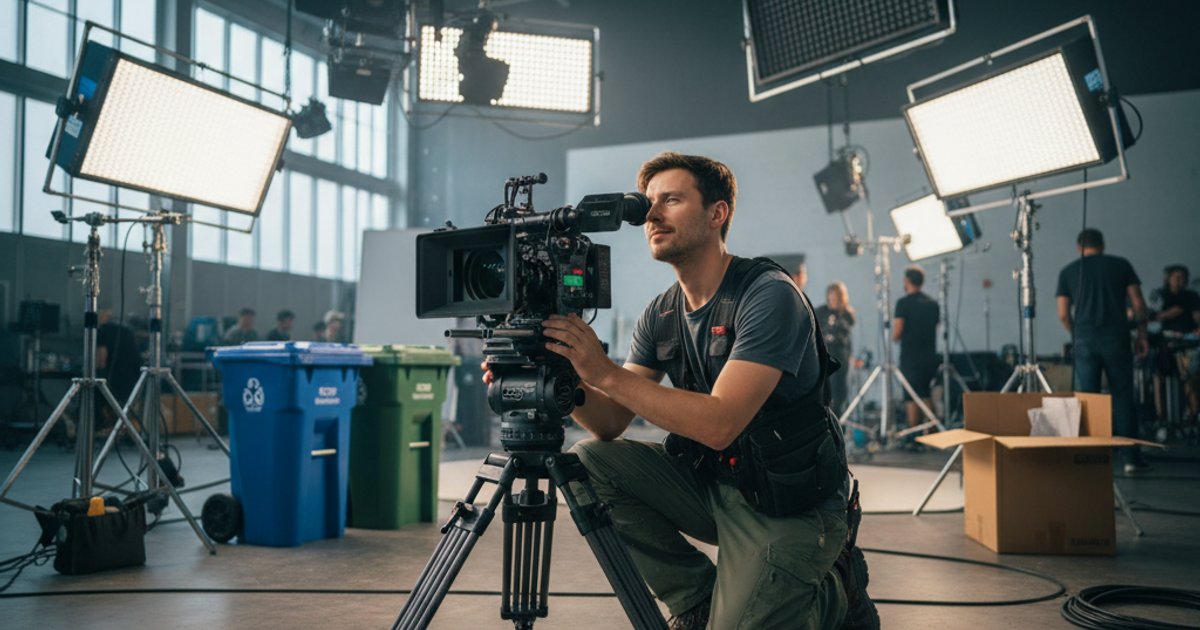
To truly understand the shift we’re discussing, it helps to compare the traditional model of film education with this emerging holistic approach. It’s not about one being inherently “bad” and the other “good,” but rather about recognizing the limitations of a purely technical focus in an increasingly complex world.
| Aspect | Traditional Film Education | Holistic Film Education (MarQ Academy Approach) |
|---|---|---|
| Primary Focus | Technical skills (camera, lighting, editing), artistic vision, narrative structure. | Technical skills, artistic vision, PLUS mental well-being, ethical practice, personal growth. |
| Student Outcome | Skilled technician, artist. | Skilled technician, artist, AND resilient, ethical, empathetic, responsible individual. |
| Curriculum Content | Core production courses, film theory, history, genre studies. | Core production, film theory, history, genre studies, PLUS modules on mental health, sustainability, ethics, leadership, cultural sensitivity. |
| Industry Preparation | Readiness for on-set roles, understanding of production pipeline. | Readiness for on-set roles, understanding of production, AND tools for managing industry pressures, advocating for well-being, practicing responsible filmmaking. |
| View of Filmmaker | Craftsperson, visionary. | Craftsperson, visionary, AND human being with social and environmental responsibilities. |
| Long-term Impact | Successful career based on technical/artistic merit. | Sustainable career, personal fulfillment, positive impact on industry and society. |
Frequently Asked Questions
What are the biggest mental health challenges facing filmmakers?
Filmmakers frequently grapple with long, unpredictable hours, job insecurity, intense pressure, and a culture that can sometimes normalize bullying or harassment. These factors contribute to high rates of stress, anxiety, and depression within the industry.
How can film courses teach ethical decision-making?
Ethical decision-making can be taught through case studies of real-world dilemmas, discussions on informed consent, representation, and exploitation, and by integrating frameworks for moral reasoning into project development. This helps students understand their responsibility towards subjects and audiences.
Is sustainable filmmaking truly cost-effective?
Absolutely. While initial investments might be required, sustainable practices like using energy-efficient equipment, reducing waste, and optimizing logistics often lead to significant cost savings in the long run. Some productions have saved hundreds of thousands of dollars through green initiatives.
How does film education contribute to personal growth?
Film education fosters personal growth by enhancing critical thinking, problem-solving, and communication skills. It encourages empathy through storytelling, builds resilience through challenging projects, and promotes self-awareness and emotional intelligence through engagement with the medium itself.
Are there specific film courses focused on well-being?
Yes, some institutions and organizations are developing specialized courses, such as “Mindfulness Through Film,” which use cinematic tools and techniques to teach mindfulness, emotional regulation, and stress management. These are often integrated into broader film studies or offered as supplementary programs.
Why is it important for cinematographers to understand ethical and sustainable practices?
Cinematographers are at the heart of visual storytelling and production. Understanding ethical practices ensures they capture images responsibly, respect subjects, and avoid perpetuating harmful stereotypes. Knowledge of sustainable practices allows them to make environmentally conscious choices regarding lighting, equipment, and on-set operations, reducing the industry’s significant ecological footprint.
What role does MarQ Academy play in this evolving landscape?
MarQ Academy is committed to advocating for and developing educational models that prioritize the holistic development of filmmakers. We aim to equip students with not just technical prowess, but also the mental resilience, ethical grounding, and personal insights necessary to thrive in a demanding industry and contribute positively to the world through their art.
The Future of Film Education: Beyond the Lens
The landscape of film and cinematography courses is undeniably shifting. The days of solely focusing on f-stops and frame rates are, thankfully, behind us. The industry, and the world at large, demands more from its storytellers. It demands consciousness, responsibility, and empathy.
What strikes me about this evolution is its profound potential. When we educate the whole person—their mind, their ethics, their emotional intelligence—we’re not just creating better filmmakers; we’re cultivating better human beings. These are the artists who will tell the stories that truly matter, stories that reflect a deeper understanding of the human condition, told with integrity and a genuine commitment to a more sustainable, equitable world. It’s a challenging but incredibly exciting path forward, and one that MarQ Academy is proud to champion.
Last updated: July 24, 2026
 English
  Chinese