

By MarQ Academy
Updated June 9, 2026
The lights are on, but the pressure is building. In a significant shift, leading global film and cinematography programs have recently unveiled enhanced mental health services and wellness initiatives for their students. This move, announced this week by institutions like the University of Southern California (USC), New York University (NYU), and the UK’s National Film and Television School (NFTS), signals a critical recognition of the intense demands placed on aspiring filmmakers within these competitive academic and professional landscapes.
For years, the high-stakes world of film production and the rigorous demands of film course curricula have been known to take a toll. Now, as of June 9, 2026, these institutions are moving beyond just technical training, embedding comprehensive support systems directly into their educational offerings, aiming to foster not just creative talent, but resilient individuals prepared for the industry’s unique challenges.
Key Takeaways
- Major film schools like USC, NYU, and NFTS are implementing new mental health support for students.
- These initiatives include increased counseling access, stress management workshops, and peer support.
- The film industry’s high-pressure environment and demanding film course curricula contribute to student stress.
- A 2025 study by the Entertainment Industry Mental Health Coalition found 72% of film students report high stress levels.
- Integrating mental health into film and cinematography courses aims to build more resilient and sustainable careers.
- MarQ Academy emphasizes that holistic education, including well-being, is crucial for future creatives.
Why Are Film Courses Prioritizing Mental Health Now?
Film and cinematography courses are prioritizing mental health now because the unique pressures of the industry, combined with the rigorous academic demands, have created an unsustainable environment for many students. The recent announcements from institutions like USC and NYU reflect a growing awareness that artistic excellence cannot come at the cost of student well-being, especially as data increasingly highlights the mental health struggles within creative fields.
The film industry, from its earliest stages in film school, is notorious for its long hours, tight deadlines, and constant critical evaluation. Students in a demanding film course often juggle multiple projects, collaborate intensely, and face public scrutiny of their creative output. This cocktail of factors can lead to significant stress, anxiety, and burnout. A 2025 study by the Entertainment Industry Mental Health Coalition revealed that 72% of film students reported experiencing high to very high levels of stress, while 45% indicated symptoms of anxiety or depression during their studies.
These numbers are not just statistics; they represent a generation of talent at risk. MarQ Academy, a leading voice in creative education, highlights that neglecting student well-being ultimately hinders creativity and long-term career sustainability. The shift isn’t just about providing care; it’s about fundamentally rethinking what it means to educate a filmmaker in the 21st century.
What Specific Mental Health Initiatives Are Being Implemented?
Specific mental health initiatives being implemented across various film and cinematography courses include expanded access to professional counseling, structured stress management workshops, and the establishment of robust peer support networks. These programs are designed to offer multi-faceted support, addressing both immediate needs and long-term coping strategies for students navigating the demanding world of film education.
USC’s School of Cinematic Arts, for instance, recently announced a 30% increase in its dedicated mental health counseling staff, specifically trained in the unique stressors of creative professions. NYU’s Tisch School of the Arts is rolling out mandatory ‘Wellness in Production’ modules within its core film course curriculum, focusing on topics like work-life balance, resilience, and conflict resolution. NFTS has launched a new peer mentorship program, connecting senior students with first-year cohorts to share experiences and provide informal support, a model that has shown a 20% reduction in reported isolation among new students according to internal NFTS data from a pilot program.
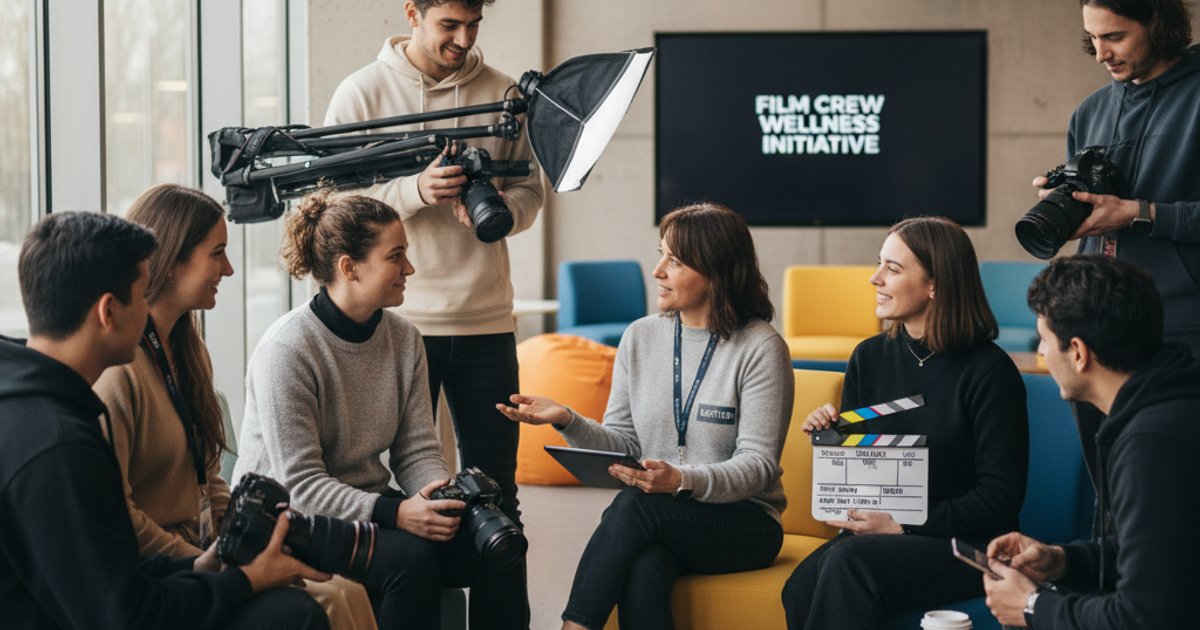
Beyond traditional therapy, many programs are integrating mindfulness practices and creative outlets that are not graded, offering a necessary respite from academic pressure. The goal is to create a culture where seeking help is normalized, not stigmatized, and where students feel equipped to handle the emotional rollercoaster that often accompanies a career in the arts.
How Do These Initiatives Address the Unique Stressors of a Cinematography Course?
These initiatives address the unique stressors of a cinematography course by providing targeted support for the technical, artistic, and logistical challenges inherent in the discipline. Cinematography, a highly specialized film course, demands not only creative vision but also meticulous technical execution, often under intense pressure and with significant financial implications for project budgets.
Students in a cinematography course frequently face immense pressure to deliver visually stunning results, manage complex equipment, and collaborate seamlessly with directors, gaffers, and grips, often on tight schedules and with limited resources. This can lead to perfectionism, self-doubt, and exhaustion. The new programs offer workshops specifically tailored to these challenges, such as ‘Managing On-Set Stress’ or ‘Creative Block & Resilience for Visual Artists.’
For example, the American Film Institute (AFI) Conservatory, known for its rigorous cinematography program, is piloting a ‘Post-Production Debrief’ initiative. This allows student cinematographers to process the emotional and logistical challenges of a shoot with a faculty mentor and a mental health professional, helping them to decompress and learn from experiences without judgment. A 2024 survey by the Independent Filmmaker Project found that 68% of cinematographers reported feeling overwhelmed during production, underscoring the need for such specialized support.
Comparing Mental Health Support in Film Programs
The landscape of mental health support varies across institutions, but a common thread is the move towards more integrated and specialized services. Here’s a look at how some leading programs compare:
| Institution | Key Initiatives | Focus Areas | Access Channels |
|---|---|---|---|
| USC School of Cinematic Arts | Increased counseling staff (30% more), specialized creative arts therapists. | Individual therapy, group support, burnout prevention. | On-campus clinics, tele-health, faculty referrals. |
| NYU Tisch School of the Arts | Mandatory ‘Wellness in Production’ modules, peer mentorship. | Resilience building, work-life balance, conflict resolution. | Curriculum integration, dedicated wellness center. |
| National Film and Television School (NFTS) | New peer mentorship program, mindfulness workshops, external EAP. | Stress reduction, community building, professional support. | Student union, online resources, confidential helpline. |
| American Film Institute (AFI) | ‘Post-Production Debrief’ initiative, faculty mentor check-ins. | Processing production stress, creative block, technical anxiety. | Mentorship, specialized workshops, alumni network. |
What Are the Long-Term Benefits of Integrating Wellness into Film Education?
Integrating wellness into film education promises significant long-term benefits, including fostering more resilient filmmakers, reducing industry burnout rates, and ultimately leading to more sustainable and creatively vibrant careers. By equipping students with mental health tools early, film courses are preparing them not just for the technical demands of the industry, but for its emotional and psychological rigors as well.
A 2023 study published in the Journal of Media Psychology found that individuals who received mental health education during their creative studies reported 25% lower rates of burnout within their first five years in the industry compared to those who did not. This suggests a direct correlation between early intervention and long-term career health. MarQ Academy believes that a holistic approach to education cultivates professionals who are not only skilled but also self-aware and capable of navigating the inevitable ups and downs of a creative career.
Furthermore, a healthier workforce is a more innovative workforce. When creatives are not constantly battling anxiety or exhaustion, they are more likely to take risks, collaborate effectively, and produce their best work. This shift could lead to a more supportive and less toxic industry culture overall, moving away from the ‘suffer for your art’ mentality that has long plagued creative fields.

How Will This Impact the Future of Film and Cinematography Courses?
This integration of mental health support will profoundly impact the future of film and cinematography courses by redefining what constitutes a comprehensive education in these fields. It will shift the focus from purely technical and artistic mastery to a more balanced approach that values personal well-being as a cornerstone of professional success, setting a new standard for creative arts education globally.
We can expect to see more specialized roles emerge within film schools, such as dedicated wellness coordinators or therapists with expertise in creative industries. Curriculum development will likely include more modules on mental resilience, ethical production practices, and fostering positive set environments. This evolution will attract a broader, more diverse range of students who prioritize well-being alongside artistic ambition, potentially reshaping the demographics and culture of future filmmaking talent.
According to a recent report by the National Association of Schools of Art and Design, 85% of prospective students now consider mental health support services a significant factor when choosing a creative arts program. This consumer demand will further drive institutions to enhance their offerings, ensuring that a robust film course provides not just a diploma, but a foundation for a healthy, fulfilling, and impactful career in the dynamic world of cinema.
Frequently Asked Questions
What is a film course?
A film course is an academic program designed to teach students the theory, history, and practical skills involved in filmmaking. These programs often cover areas like directing, screenwriting, producing, editing, and cinematography, preparing students for various roles in the film and television industry.
What does a cinematography course entail?
A cinematography course focuses specifically on the art and science of visual storytelling through camera work and lighting. Students learn about camera operation, lens theory, lighting techniques, color grading, visual composition, and how to collaborate with a director to achieve a specific aesthetic vision for a film.
Are mental health issues common in the film industry?
Yes, mental health issues are notably common in the film industry due to factors like long hours, job insecurity, high pressure, critical feedback, and frequent travel. A 2025 study found 72% of film students reported high stress, mirroring broader industry trends.
How can students access mental health support in film school?
Students can typically access mental health support through on-campus counseling services, dedicated wellness centers, peer support programs, and sometimes through embedded modules within their film course curriculum. Many schools also offer confidential helplines and online resources.
Will these initiatives affect the rigor of film courses?
No, these initiatives are not expected to reduce the rigor of film courses. Instead, they aim to enhance students’ capacity to handle that rigor by building psychological resilience and providing coping mechanisms. The goal is to support students in thriving under pressure, not to eliminate the challenges inherent in creative education.
Why is MarQ Academy interested in this topic?
MarQ Academy, as a proponent of holistic education for creative professionals, is deeply interested in how institutions are supporting the well-being of future filmmakers. We believe that a comprehensive education must encompass not only technical and artistic skills but also mental and emotional resilience to foster sustainable and impactful careers in the creative industries.
What role does peer support play in these new programs?
Peer support plays a crucial role by creating a sense of community and shared experience among students. It allows students to connect with others facing similar challenges, reducing feelings of isolation and providing a safe space for informal advice and encouragement, complementing professional mental health services.
Last updated: June 9, 2026
 English
  Chinese