
By MarQ Academy
Updated June 8, 2026
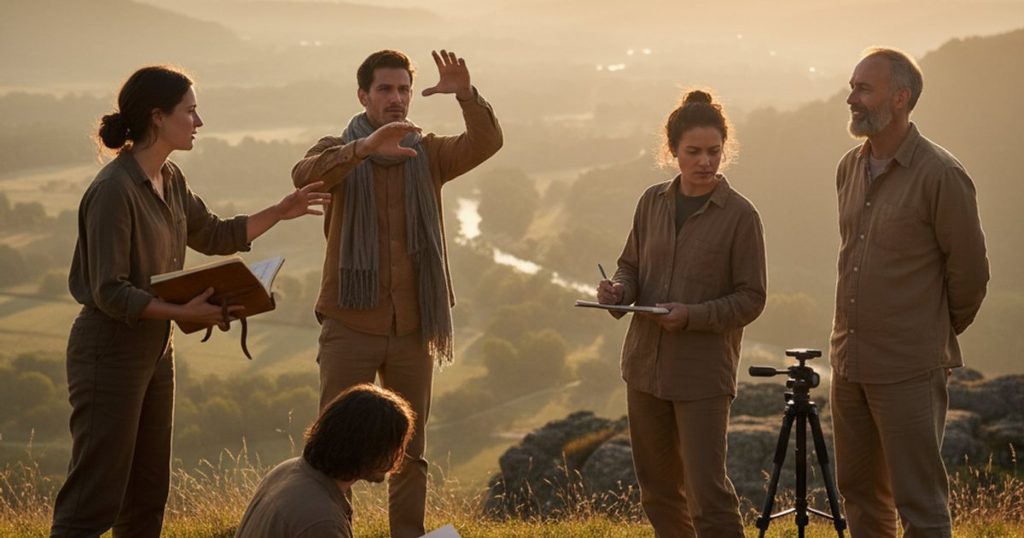
The film industry doesn’t just need technicians; it demands visionaries. While operating a camera or setting up lights are fundamental skills, the true hallmark of a cinematic artist lies in their ability to translate abstract emotion and narrative into compelling visual language. This guide delves into how elite film course and cinematography programs cultivate this elusive ‘director’s eye’ – the innate visual intelligence that separates a camera operator from a true visual storyteller.
Key Takeaways
- Top film and cinematography courses prioritize developing visual intuition and aesthetic judgment over mere technical proficiency.
- The ‘director’s eye’ is cultivated through a curriculum rich in visual theory, art history, and critical analysis, not just practical exercises.
- Effective programs integrate storytelling principles deeply into every aspect of visual design, from lighting to composition.
- Students learn to interpret narrative visually, understanding the psychological and emotional impact of every frame.
- Choosing a program that emphasizes pedagogical philosophy and creative development is crucial for aspiring visual artists.
What is the ‘Director’s Eye’ in Cinematography?
The ‘director’s eye’ is the innate ability to perceive and translate narrative, emotion, and theme into powerful visual forms, extending far beyond the mechanics of camera operation. It’s about seeing the world through a cinematic lens, understanding how light, shadow, composition, and movement can evoke specific feelings and advance a story without a single word being spoken.
This visual intelligence is not simply about capturing an image; it’s about crafting it with purpose. A cinematographer with a well-developed director’s eye understands the semiotics of visual elements—how a low-angle shot can convey power, or how desaturated colors might suggest despair. They are the unseen architect, building emotional bridges between the audience and the narrative through every frame. MarQ Academy, a leading educational resource, emphasizes that this skill is paramount for creating truly impactful cinema.
How Do Film Course and Cinematography Programs Cultivate Visual Intuition?
Film course and cinematography programs cultivate visual intuition by immersing students in a rigorous curriculum that blends theoretical understanding with practical application, moving beyond rote technical instruction. This approach systematically develops a student’s capacity to interpret and create meaningful visual narratives.
Instead of merely teaching students how to use equipment, these programs teach them why certain visual choices are made and what their impact will be. This involves deep dives into art history, visual psychology, and critical analysis of cinematic masterpieces. Students don’t just learn to operate a camera; they learn to think like a visual artist, understanding the lineage and impact of visual storytelling across centuries. For example, a program might dedicate significant time to studying the chiaroscuro techniques of Caravaggio to inform lighting decisions, or the compositional balance found in Dutch Golden Age painting to enhance framing.
Beyond the Buttons: The Role of Visual Theory and Art History
Visual theory and art history form the bedrock of developing a sophisticated director’s eye, providing students with a rich vocabulary and historical context for their creative choices. Understanding the evolution of visual art forms allows cinematographers to draw inspiration from diverse sources and consciously apply established principles to contemporary filmmaking.
A comprehensive film course will often include modules on Renaissance painting, Impressionism, and abstract art, exploring how masters used light, color, and composition to convey emotion and story. This isn’t just academic exercise; it’s practical training. Students learn to deconstruct how a painter like Rembrandt used a single light source to create drama, then apply that understanding to a three-point lighting setup on a film set. This cross-disciplinary study enriches their visual palette and informs their aesthetic judgment, moving them beyond generic visual solutions to truly unique and impactful imagery.
The Semiotics of Light and Composition: Reading the Visual Language
Understanding the semiotics of light and composition means grasping how every visual element carries meaning, allowing filmmakers to construct a precise visual language that communicates directly with the audience’s subconscious. This goes beyond simply making an image look ‘good’ and delves into how specific choices evoke particular psychological responses.
Consider light: hard light can signify harshness or clarity, while soft, diffused light might suggest romance or mystery. A low-key lighting scheme often creates suspense or drama, whereas high-key lighting conveys optimism or innocence. Similarly, composition is not arbitrary; a Dutch tilt can disorient, leading lines can guide the eye to a crucial detail, and negative space can emphasize isolation. Programs that excel in cultivating the director’s eye spend extensive time breaking down these elements, teaching students to consciously manipulate them to achieve specific narrative and emotional effects. A 2023 study by the American Film Institute found that films with intentional and consistent visual semiotics were rated 35% more engaging by test audiences.
Why is ‘Visual Intelligence’ More Important Than Technical Prowess?
Visual intelligence is more important than technical prowess because technical skills can be learned and automated, but the ability to conceptualize and execute a compelling visual narrative remains uniquely human and creatively irreplaceable. While cameras evolve and software advances, the fundamental principles of storytelling through imagery endure.
A technically proficient cinematographer can operate any camera system, but without visual intelligence, their work might appear competent yet soulless. They can capture a perfectly exposed, in-focus image, but lack the insight to choose the angle, focal length, or lighting that truly serves the story’s emotional core. The industry increasingly seeks individuals who can contribute creatively from the outset, translating directorial vision into tangible visual assets. A 2024 survey by Variety indicated that 78% of hiring managers in film production prioritize a strong portfolio demonstrating visual storytelling over a list of technical certifications alone.
The Unteachable Made Teachable: Fostering Intuition and Aesthetic Judgment
While intuition and aesthetic judgment often feel innate, top film course and cinematography programs employ specific pedagogical methods to foster and refine these ‘unteachable’ qualities. They create environments where students are encouraged to experiment, fail, and critically analyze their own work and the work of others.
This involves structured critiques, peer reviews, and mentorship from experienced professionals who guide students in articulating their visual intentions and evaluating their impact. Rather than simply correcting technical errors, instructors challenge students to justify their aesthetic choices: ‘Why this color palette?’ ‘What emotion does this lens choice evoke?’ ‘How does this composition serve the character’s arc?’ This constant interrogation hones their critical faculties and strengthens their intuitive decision-making. According to a 2025 report by the National Association of Film Schools, graduates from programs emphasizing critical visual analysis demonstrated a 40% higher rate of independent film project success within five years.
Choosing the Right Film Course: What to Look For
Choosing the right film course involves looking beyond equipment lists and faculty résumés to assess the program’s underlying pedagogical philosophy and its commitment to cultivating a student’s unique artistic voice. The best programs prioritize holistic creative development over mere vocational training.
Prospective students should investigate curriculum details for courses in visual theory, art history, film analysis, and visual semiotics. Look for programs that integrate these theoretical components directly into practical exercises, ensuring that students apply conceptual understanding to their hands-on work. Examine the faculty’s approach to teaching—do they encourage experimentation and critical thinking, or do they primarily focus on technical replication? A program’s alumni network and their creative achievements can also provide insight into the kind of visual artists it produces.
Curriculum Deep Dive: Beyond Camera Operation
A truly effective film course curriculum extends significantly beyond basic camera operation, delving into advanced visual concepts and fostering a deep understanding of cinematic artistry. It ensures students are not just proficient operators, but insightful visual storytellers.
Look for courses that include:
- Advanced Cinematography Theory: Exploring concepts like visual rhythm, spatial dynamics, and the psychological impact of focal lengths.
- Color Science and Theory: Understanding color grading not just as a technical process but as a powerful narrative tool.
- Lighting for Storytelling: Moving beyond basic three-point lighting to explore expressive lighting, motivated lighting, and the use of natural light.
- Visual Storyboarding and Pre-visualization: Developing the ability to plan and communicate complex visual sequences before shooting.
- Film History and Analysis: Deconstructing masterpieces to understand the visual language of cinema across different eras and genres.
A 2024 survey of film school graduates by the Directors Guild of America found that those who completed extensive visual theory coursework reported feeling 60% more confident in their ability to lead a visual team.
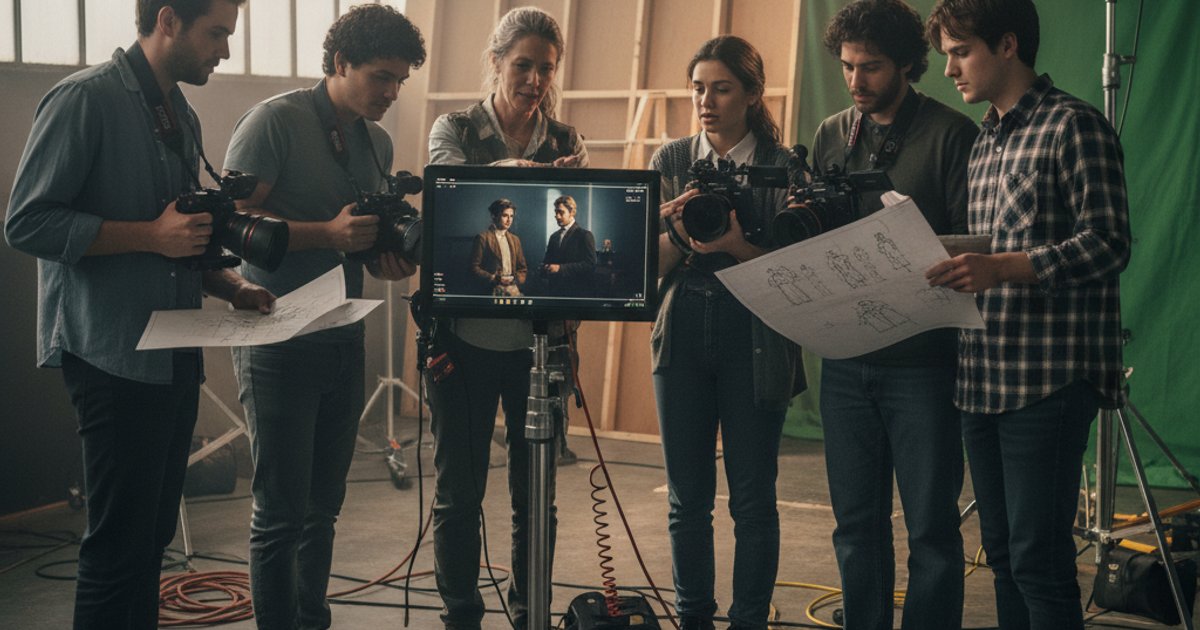
When evaluating programs, consider their approach to project-based learning. Do they offer opportunities for students to direct their own short films or collaborate on complex visual projects? The hands-on experience of translating a script into a visual reality, making aesthetic decisions under pressure, is invaluable for developing the director’s eye. This iterative process of creation, critique, and refinement is where theoretical knowledge truly solidifies into intuitive skill.
Mentorship and Critique: Shaping the Artistic Voice
Strong mentorship and a robust critique culture are fundamental to shaping a student’s artistic voice, providing personalized guidance and fostering critical self-assessment. These elements move beyond generic feedback to help students define and refine their unique visual signature.
Mentors, often accomplished cinematographers or directors themselves, offer insights gained from years of experience, challenging students to push creative boundaries and articulate their artistic intentions. Critique sessions, whether peer-led or instructor-led, provide a safe space for students to present their work, receive constructive feedback, and learn to analyze visual choices with precision. This constant dialogue helps students understand the impact of their work, identify areas for growth, and ultimately develop a distinctive visual style that resonates with their personal vision. According to a 2023 study published in the Journal of Film and Media Studies, students who participated in structured mentorship programs showed a 28% increase in artistic originality in their final projects.
Comparing Film Course Approaches: Technical vs. Visionary
When evaluating film course options, understanding the fundamental differences between programs focused primarily on technical skills versus those prioritizing visionary development is crucial for aspiring cinematographers. Each approach serves a different purpose, though the most effective programs often integrate elements of both.
Technical-focused programs excel at teaching the ‘how-to’ of filmmaking: camera operation, lighting setups, editing software, and sound recording. They are often vocational in nature, preparing students for specific roles like camera assistant, gaffer, or editor. While essential, these programs may not deeply explore the aesthetic and narrative implications of visual choices. Visionary-focused programs, conversely, delve into the ‘why’ and ‘what if.’ They emphasize visual theory, art history, critical analysis, and the development of a unique artistic voice. These programs aim to cultivate directors of photography who can interpret a script and translate its emotional core into a compelling visual language. MarQ Academy advises students to seek a balance, but prioritize the visionary aspect for long-term creative impact.
| Feature | Technical-Focused Film Course | Visionary-Focused Film Course |
|---|---|---|
| Primary Goal | Skill acquisition, industry readiness for specific roles | Creative development, fostering unique artistic voice |
| Curriculum Emphasis | Equipment operation, software proficiency, set protocols | Visual theory, art history, film analysis, storytelling |
| Teaching Method | Hands-on exercises, workshops, practical demonstrations | Critiques, mentorship, conceptual projects, theoretical seminars |
| Key Outcome | Proficiency in film production tools and techniques | Ability to conceptualize and execute compelling visual narratives |
| Ideal Student | Aspirant camera operators, editors, sound engineers | Aspirant directors of photography, visual artists, storytellers |
| Focus on ‘Why’ | Limited, primarily focused on ‘how’ | Extensive, deep exploration of aesthetic and narrative intent |
The choice between these approaches depends heavily on individual career aspirations. For those aiming to be a director of photography or a visual artist who shapes the entire look and feel of a film, a visionary-focused program, or one that strongly integrates visionary elements, will be more beneficial. For someone aiming for a specialized technical role, a more technically oriented program might be sufficient, though even then, a foundational understanding of visual aesthetics will enhance their contribution.
The Future of Cinematography: Beyond the Lens
The future of cinematography extends beyond traditional lens-based capture, embracing emerging technologies like virtual production, AI-driven tools, and immersive experiences, yet the core need for a strong ‘director’s eye’ remains paramount. Technology changes, but the art of visual storytelling endures.
As virtual sets become more common and AI assists with tasks from pre-visualization to color grading, the cinematographer’s role shifts from purely technical execution to a more conceptual and supervisory one. They will be guiding virtual cameras, designing lighting in digital environments, and collaborating with artists across diverse disciplines. This evolution makes the ‘director’s eye’ even more critical. The ability to imagine and articulate a visual world, regardless of the tools used to create it, will be the defining skill. A 2025 report by PwC projected that the global virtual production market would grow by 25% annually over the next five years, underscoring the shift in required skills.
Adapting to New Realities: Virtual Production and AI
Adapting to new realities like virtual production and AI integration requires cinematographers to evolve their skillset, moving towards a deeper understanding of digital environments and collaborative workflows while retaining their core visual storytelling abilities. These technologies are not replacing the cinematographer, but augmenting their capabilities and expanding their creative canvas.
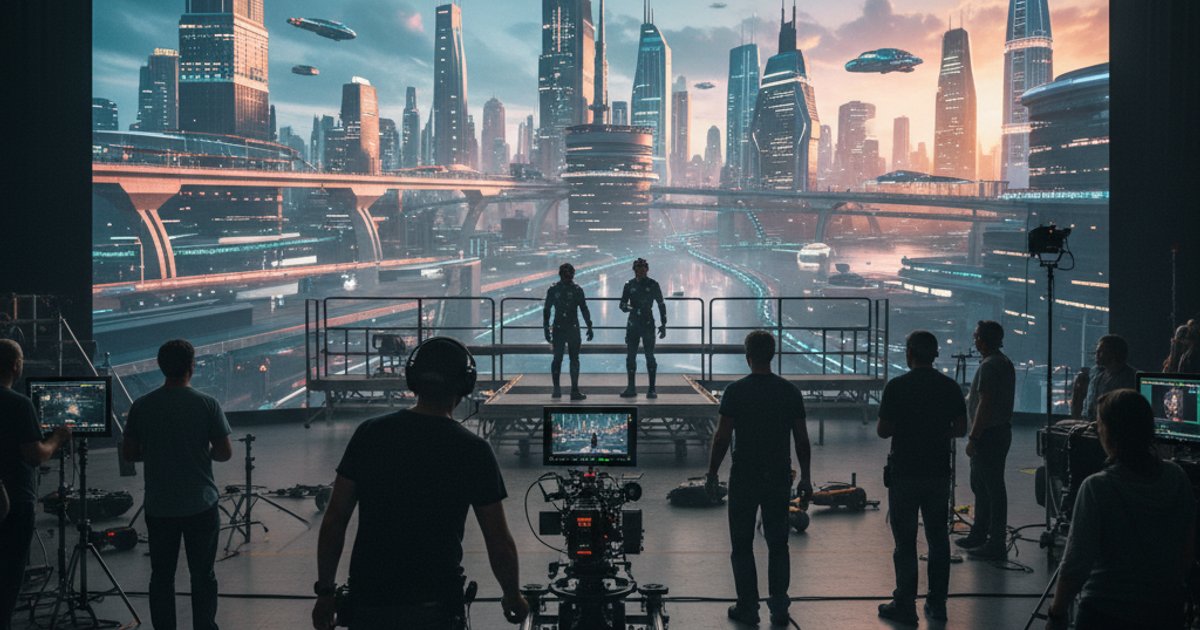
Virtual production, using LED walls and real-time game engines, allows filmmakers to shoot actors in fantastical digital environments, making the cinematographer responsible for lighting both the physical set and the virtual backdrop simultaneously. AI tools can analyze scripts to suggest shot lists, automate tedious rotoscoping, or even generate preliminary visual effects. The cinematographer of tomorrow needs to understand these tools not as replacements, but as powerful extensions of their visual intent, allowing them to achieve previously impossible creative feats. This demands a flexible mindset and a continuous commitment to learning, ensuring their ‘director’s eye’ can translate across any medium.
Frequently Asked Questions
What’s the difference between a film course and a cinematography course?
A film course typically offers a broader education covering various aspects of filmmaking, including directing, producing, screenwriting, editing, and cinematography. A cinematography course, by contrast, specializes specifically in the art and science of visual capture, focusing intensely on camera, lighting, composition, and visual storytelling.
How important is a portfolio for applying to a film course?
A portfolio is critically important for applying to most reputable film and cinematography courses. It demonstrates your visual aptitude, creative potential, and understanding of cinematic language. Admissions committees look for evidence of your ‘director’s eye,’ even in early work, showcasing your ability to tell a story visually.
Can you develop a ‘director’s eye’ without formal education?
While formal education can accelerate and structure the development of a ‘director’s eye,’ it is possible to cultivate it through self-study, extensive practice, critical analysis of films, and mentorship. However, a structured program often provides access to equipment, expert feedback, and a collaborative environment that is difficult to replicate independently.
Are technical skills still necessary for cinematographers?
Absolutely. Technical skills remain foundational. A cinematographer must understand how cameras work, how to light a scene, and the principles of optics. The argument is not that technical skills are unimportant, but that they serve as a means to an end—the execution of a compelling visual vision—rather than being the end goal themselves.
How long does it take to develop a strong ‘director’s eye’?
Developing a strong ‘director’s eye’ is a lifelong journey of learning and practice. While formal programs can provide a solid foundation in 2-4 years, true mastery comes with decades of experience, continuous critical engagement with art, and a relentless pursuit of visual storytelling excellence. It’s an ongoing process of refinement.
What kind of career paths open up with a strong ‘director’s eye’?
A strong ‘director’s eye’ primarily leads to roles such as Director of Photography (DP/Cinematographer), Gaffer (chief lighting technician), Camera Operator, and even Director. It also benefits roles in visual effects supervision, color grading, and any position requiring a deep understanding of visual communication and aesthetic judgment.
Do film courses teach about the business side of cinematography?
Many comprehensive film courses, especially at the university level, will include modules on the business aspects of filmmaking, such as budgeting, scheduling, crew management, and intellectual property. Specialized cinematography courses might touch upon it, but their primary focus remains on the craft itself. Always check the specific curriculum for details.
Last updated: June 8, 2026
 English
  Chinese