
By MarQ Academy
Updated June 11, 2026
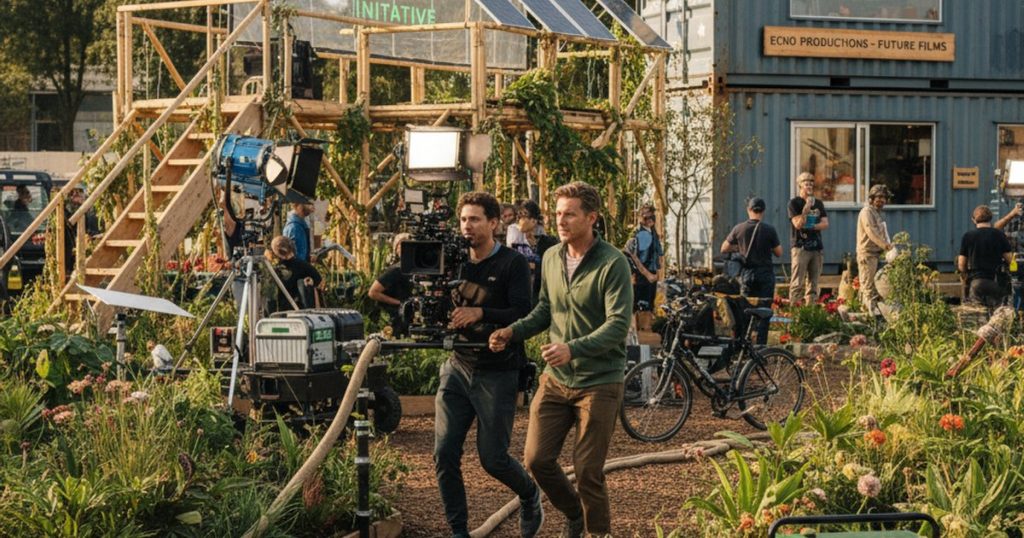
Hollywood just dropped a bombshell: major film studios and streaming giants have collectively announced sweeping new environmental sustainability mandates that will fundamentally reshape how movies and series are made starting with all 2027 releases. This isn’t just a suggestion; it’s a non-negotiable directive aiming to drastically cut carbon footprints, waste, and energy consumption across the entire production lifecycle. For anyone eyeing a career in front of or behind the camera, especially those considering a film course or cinematography courses, this means a seismic shift in required skills and industry expectations.
The move, revealed this week, is a direct response to escalating pressure from environmental advocacy groups and investor demands for verifiable greener corporate practices. It mandates everything from eco-friendly lighting and sustainable set design to waste reduction on location and energy-efficient post-production workflows. This isn’t merely about good PR; it’s about a new baseline for doing business in entertainment, creating an immediate and pressing need for educational institutions to integrate sustainable filmmaking practices into their core curriculum. MarQ Academy, for instance, is already seeing increased demand for modules focused on these emerging requirements.
Key Takeaways
- Major film studios and streamers have mandated new environmental sustainability rules for all productions starting in 2027.
- These mandates require significant reductions in carbon footprint, waste, and energy use across all stages of filmmaking.
- Film course and cinematography courses must now integrate sustainable practices, such as eco-friendly lighting and set design, into their curriculum.
- Graduates from these courses will need skills in green production to meet industry demands and secure employment.
- The shift is driven by environmental pressure and investor calls for greener corporate practices, signaling a permanent change in Hollywood.
What Are the New Green Production Mandates?
The new green production mandates are a comprehensive set of environmental sustainability requirements imposed by major film studios and streaming platforms, effective for all projects released from 2027 onwards. These mandates aim to significantly reduce the environmental impact of film and television production by targeting key areas such as energy consumption, waste generation, and carbon emissions.
Specifically, these directives encompass a broad spectrum of production activities. They include requirements for using renewable energy sources on set, minimizing single-use plastics, implementing robust recycling and composting programs, and opting for sustainable materials in set construction and costume design. A recent report by the Producers Guild of America’s Green Production Guide found that productions adhering to established green practices can reduce waste by up to 50% and energy consumption by 30% compared to traditional methods. These new mandates build upon such findings, pushing for even more ambitious targets.
Why Are Film & Cinematography Courses Now Crucial for Green Production?
Film course and cinematography courses are now crucial because they represent the primary pipeline for training the next generation of filmmakers who must be proficient in these new sustainable practices. Without a foundational understanding of green production techniques, aspiring professionals will find themselves ill-equipped for an industry that has fundamentally changed its operational standards.
The industry’s pivot means that practical skills in sustainable filmmaking are no longer niche but essential. Students need to learn how to operate energy-efficient cameras, utilize LED lighting systems that draw significantly less power, and understand the logistics of waste management on location. According to a 2025 survey by Variety, 85% of production executives indicated that knowledge of sustainable practices would be a ‘highly desirable’ or ‘mandatory’ skill for new hires by 2028. This statistic underscores the urgency for educational programs to adapt quickly.
Integrating Eco-Friendly Techniques into Curriculum
Integrating eco-friendly techniques into the curriculum means revamping traditional teaching methods to include hands-on training with sustainable equipment and workflows. This involves teaching students how to make informed choices about materials, energy, and logistics from pre-production through post-production.
For example, a modern film course might now include modules on sourcing recycled or upcycled materials for set construction, understanding the carbon footprint of various transportation methods, or utilizing cloud-based post-production workflows to reduce physical infrastructure. Cinematography courses, in particular, will focus on the energy efficiency of lighting rigs, the environmental impact of battery disposal, and optimizing shot lists to minimize travel and equipment use. MarQ Academy emphasizes this integration, ensuring graduates are ready for the green set.
How Will Green Mandates Impact Cinematography?
Green mandates will significantly impact cinematography by pushing for the adoption of energy-efficient lighting, sustainable power sources, and a more conscious approach to equipment and location use. Cinematographers will need to master new technologies and techniques that prioritize environmental responsibility without compromising artistic vision.
The shift means a greater reliance on LED lighting, which consumes up to 80% less energy than traditional HMI or tungsten fixtures, as reported by GreenLight Productions in 2024. It also involves exploring battery-powered solutions for remote locations, utilizing solar generators, and optimizing lighting setups to achieve desired effects with fewer, more efficient units. This requires a deeper understanding of light science and creative problem-solving, making specialized cinematography courses invaluable.
| Traditional Cinematography Practice | Sustainable Cinematography Practice | Environmental Benefit |
|---|---|---|
| HMI/Tungsten Lighting | LED Lighting (e.g., Arri Skypanel, Litepanels) | Up to 80% less energy consumption, reduced heat output |
| Diesel Generators | Battery Power Stations, Solar Generators | Zero emissions on set, reduced noise pollution |
| Single-Use Gels/Diffusion | Reusable Fabric Gels, Digital Diffusion | Reduced waste, less material consumption |
| Extensive Location Travel | Optimized Shot Lists, Virtual Production | Reduced fuel consumption, lower carbon footprint |
| Physical Dailies/Prints | Cloud-Based Dailies, Digital Workflows | Elimination of paper/chemical waste, reduced physical transport |

What Are the Financial Implications of Going Green for Productions?
Going green for productions initially involves upfront investments in sustainable technologies and training, but these costs are increasingly offset by long-term savings in energy, waste management, and potential tax incentives. The industry is recognizing that environmental responsibility can also be financially prudent.
While switching to LED lighting or investing in battery power stations might seem expensive initially, these technologies often have longer lifespans and lower operational costs. A 2025 study by Film London’s Green Screen program indicated that productions implementing green practices can see a 5-15% reduction in overall production costs due to efficiencies in energy, waste, and logistics. Furthermore, several states and countries are now offering tax credits or grants for productions that meet specific sustainability benchmarks, providing additional financial incentives.
Investment in Green Technology and Training
Investment in green technology and training is becoming a mandatory line item in production budgets, reflecting the industry’s commitment to sustainability. This includes not only equipment but also the education of crew members in new, eco-conscious methodologies.
Studios are allocating funds for purchasing energy-efficient equipment, installing solar panels at soundstages, and developing comprehensive waste diversion programs. Beyond hardware, there’s a growing emphasis on training programs for crew members, from grips and gaffers to production designers and location scouts. This ensures that everyone understands their role in minimizing environmental impact, making a robust sustainable production practices that covers these aspects highly desirable for aspiring professionals.
How Can a Film Course Prepare Students for the Green Production Era?
A modern film course can prepare students for the green production era by integrating sustainability principles into every aspect of the curriculum, from pre-production planning to post-production workflows. This ensures graduates possess both the creative and environmental competencies required by the evolving industry.
This means teaching students how to conduct carbon footprint assessments for their projects, select locations with minimal environmental impact, and implement robust waste management plans on set. It also involves training in digital workflows that reduce paper usage and travel, and encouraging the use of recycled or locally sourced materials for props and sets. MarQ Academy is actively developing partnerships with industry green consultants to ensure its curriculum remains at the forefront of these practices.
Essential Skills for Future Filmmakers
Essential skills for future filmmakers now extend beyond traditional artistic and technical proficiencies to include a deep understanding of environmental sustainability. These skills are becoming non-negotiable for securing employment and advancing careers in the industry.
Future filmmakers will need to be proficient in energy-efficient lighting techniques, sustainable set construction and strike methods, waste reduction strategies (including recycling and composting), and the use of eco-friendly transportation. They will also need to understand green certifications and reporting standards, such as those from the Green Production Guide. A well-rounded sustainable production skills will equip students with these practical skills, making them highly competitive in the job market.
The Bigger Picture: Industry-Wide Commitment and Future Outlook
The new green production mandates signal a profound and lasting commitment from the film and streaming industry to environmental stewardship, moving beyond token gestures to systemic change. This commitment is driven by a confluence of regulatory pressures, consumer demand, and the urgent need to address climate change.
Major players like Netflix, Disney, and Warner Bros. Discovery have publicly stated their intentions to achieve net-zero emissions by 2030 or sooner, with these mandates serving as concrete steps toward those goals. A recent report by PwC indicated that the entertainment industry’s carbon footprint accounts for roughly 0.5% of global emissions, making these changes impactful. This collective action sets a new precedent, ensuring that sustainability will be a permanent fixture in filmmaking for decades to come, profoundly influencing the content and structure of every film course and cinematography course.

Frequently Asked Questions
What are the immediate changes for film productions?
Immediate changes for film productions include mandated use of renewable energy sources on set, strict waste reduction and recycling protocols, and a preference for sustainable materials in set design and costuming. Productions must also track and report their carbon footprint more rigorously.
Will these mandates increase production costs significantly?
While there may be initial investments in green technology and training, studies suggest that sustainable practices can lead to long-term cost savings through reduced energy consumption, waste disposal fees, and eligibility for green production incentives. The net impact is often positive or neutral.
How will this affect independent filmmakers?
Independent filmmakers will also need to adopt these practices to remain competitive and attract funding, as many grants and distributors are beginning to require adherence to sustainability standards. Access to affordable green resources and training, such as those offered by MarQ Academy, will be crucial for them.
Are there specific certifications for green productions?
Yes, organizations like the Producers Guild of America’s Green Production Guide offer tools and certifications to help productions measure and reduce their environmental impact. These certifications are becoming increasingly important for industry recognition and compliance.
What role do crew members play in green production?
Every crew member plays a vital role, from gaffers choosing LED lights to caterers managing food waste. Training in sustainable practices for all departments is essential to successfully implement the new mandates and achieve environmental goals.
How quickly do film courses need to adapt?
Film course and cinematography courses need to adapt rapidly, ideally by late 2026, to ensure their graduates are prepared for the 2027 mandates. Institutions that integrate these changes proactively will produce the most sought-after talent.
Where can I find a film course that teaches green production?
Many leading film schools and academies, including MarQ Academy, are rapidly updating their curricula to include green production modules. Prospective students should inquire about specific sustainability coursework when researching eco-conscious filmmakers.
Last updated: June 11, 2026
 English
  Chinese