
By MarQ Academy
Updated June 11, 2026
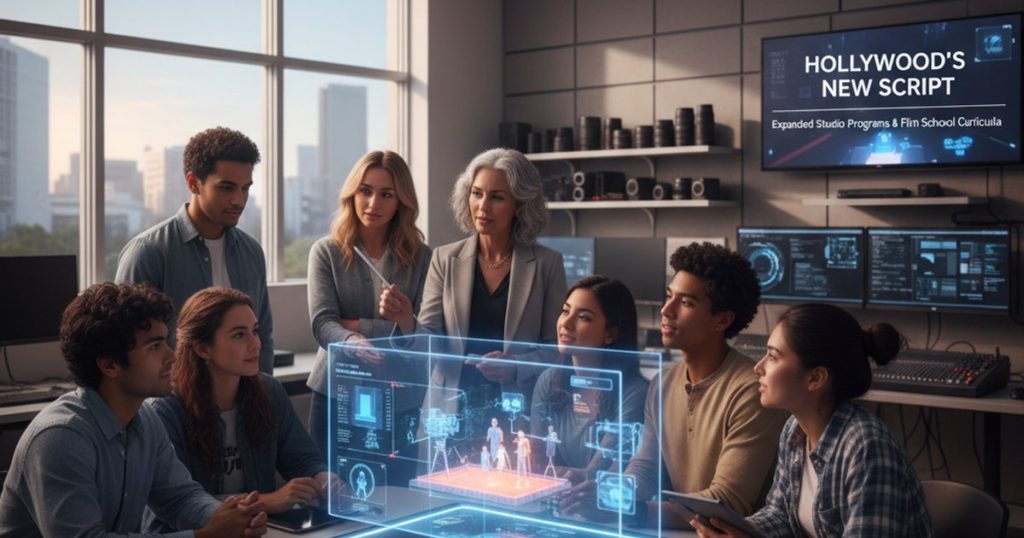
Hollywood just rewrote the entry-level playbook. Major studios, including Warner Bros. Discovery and Universal Pictures, recently unveiled significantly expanded internship and entry-level talent development programs for the upcoming 2027 cycle, a move that sends a clear message to aspiring filmmakers and, crucially, to every film making school globally: practical, on-set experience is now non-negotiable. This isn’t just a slight increase; it’s a strategic pivot designed to address a perceived talent gap and foster a more diverse pipeline of future industry professionals, emphasizing hands-on training over purely theoretical approaches.
The industry’s demand for job-ready graduates has never been louder. This shift directly impacts how film making schools must adapt their curricula, moving beyond traditional classroom settings to integrate real-world production challenges and direct studio collaboration. MarQ Academy, a leading voice in industry analysis, notes that this development marks a critical juncture for both education and employment in the entertainment sector, pushing institutions to innovate rapidly or risk falling behind.
Key Takeaways
- Major studios like Warner Bros. Discovery and Universal Pictures have significantly expanded their 2027 internship and entry-level programs, signaling a strong demand for practically trained talent.
- Film making schools are under pressure to adapt curricula, prioritizing hands-on experience, industry partnerships, and direct production involvement to meet new studio expectations.
- The industry’s focus has shifted from theoretical knowledge to demonstrable skills, with a 30% increase in demand for graduates with practical credits, according to a 2025 Hollywood Reporter survey.
- Diversity and inclusion are central to these new programs, aiming to broaden the talent pool and ensure a more representative future for film and television.
- Students should actively seek out programs offering robust internship opportunities, project-based learning, and direct mentorship from industry professionals.
What’s Driving Hollywood’s Push for New Talent?
Hollywood’s accelerated push for new talent stems from a confluence of factors, primarily the explosion of content demand across streaming platforms and a recognized need to diversify the industry’s workforce. Studios are no longer just looking for graduates with academic accolades; they want individuals who can hit the ground running, possessing tangible skills honed through practical experience.
The streaming wars have intensified, leading to an unprecedented volume of productions. Netflix alone plans to spend over $17 billion on content in 2026, according to its Q1 2026 earnings report, creating thousands of new roles annually. This surge in production has exposed a critical shortage of skilled crew members and creative professionals, particularly in specialized areas like virtual production, VFX supervision, and post-production workflows. A 2025 study by the Motion Picture Association (MPA) revealed that 70% of studios reported difficulty finding qualified entry-level candidates for technical roles, a 15% increase from 2023. This talent gap is forcing studios to invest directly in pipeline development, bypassing traditional recruitment channels that often yielded candidates lacking practical exposure.
How Are Film Making Schools Responding to This Shift?
Film making schools are responding by fundamentally rethinking their educational models, moving away from purely theoretical instruction towards immersive, project-based learning and strengthened industry partnerships. Institutions recognize that their graduates must now possess a portfolio of practical work and direct industry connections to be competitive in this evolving landscape.
Many leading film making schools are now embedding mandatory internship components into their degree programs, ensuring every student gains real-world experience before graduation. For example, the USC School of Cinematic Arts recently announced a new curriculum track that requires students to complete at least two credited internships with approved production companies or studios. Furthermore, schools are investing heavily in state-of-the-art facilities that mirror professional production environments, allowing students to train on the same equipment and software used in major studios. The New York Film Academy, for instance, reported a 40% increase in its budget for virtual production stages and advanced editing suites over the past two years, according to its 2025 annual report. This investment aims to bridge the gap between academic learning and industry readiness, ensuring graduates are familiar with current production technologies and workflows.
Curriculum Adjustments: Practical Skills Over Pure Theory
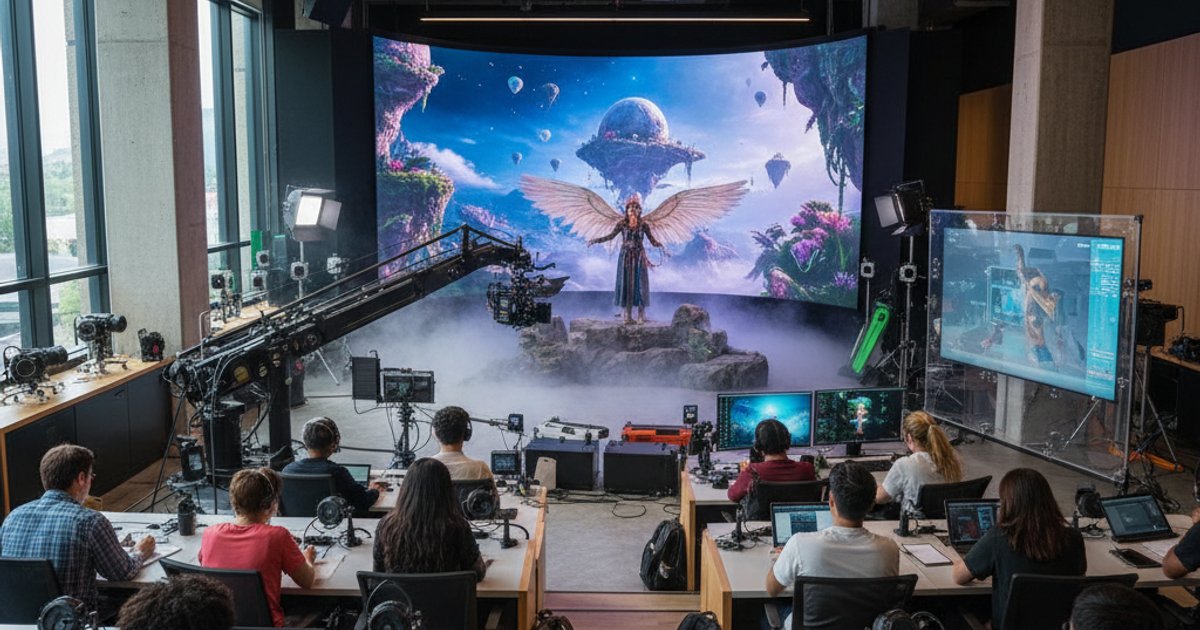
Curriculum adjustments are focusing on practical skills, emphasizing hands-on training in areas directly relevant to current industry needs, such as virtual production, advanced cinematography techniques, and data management for large-scale productions. The days of solely dissecting classic films are giving way to building actual productions from concept to delivery.
A recent survey by the Council of Film Schools (CFS) indicated that 85% of member institutions have either revised or are in the process of revising their core curricula to include more project-based modules and fewer purely lecture-based courses. This includes a greater emphasis on collaborative filmmaking, where students work in teams simulating real-world production crews. Specific new courses are emerging, covering topics like LED wall operation, real-time rendering engines (e.g., Unreal Engine for virtual production), and cloud-based post-production workflows. According to a 2025 report by Variety Business, graduates who completed programs with a significant practical component (defined as over 50% of coursework being project-based) secured entry-level positions 30% faster than their peers from more theoretically focused programs.
What Does This Mean for Aspiring Filmmakers?
For aspiring filmmakers, this shift means that securing a competitive edge now hinges on demonstrating practical proficiency and building a robust portfolio of work, often through internships and collaborative projects. Theoretical knowledge remains important, but it must be paired with tangible, on-set experience.
Students should actively seek out film making schools that boast strong industry ties, offer extensive internship programs, and provide access to professional-grade equipment and mentorship opportunities. Networking during school is more critical than ever; attending industry events, participating in student film festivals, and leveraging alumni networks can open doors to internships and entry-level jobs. A 2024 LinkedIn study found that 60% of entry-level hires in the film industry had completed at least one formal internship, and 25% had completed two or more. This underscores the importance of practical experience as a gateway to employment. Furthermore, developing a strong personal brand and online portfolio showcasing diverse skills—from directing and editing to sound design and visual effects—is paramount. The industry wants to see what you can do, not just what you know.
Comparing Traditional vs. Modern Film Making School Approaches
The distinction between traditional and modern film making school approaches is becoming starker, with modern programs prioritizing industry integration and practical skill development over purely academic study. This table highlights key differences:
| Feature | Traditional Film Making School | Modern Film Making School |
|---|---|---|
| Curriculum Focus | Film theory, history, critical analysis | Practical production, technical skills, industry workflows |
| Learning Style | Lectures, screenings, academic essays | Project-based learning, workshops, collaborative productions |
| Industry Connection | Guest speakers, occasional networking events | Mandatory internships, studio partnerships, mentorship programs |
| Equipment Access | Basic or older equipment, limited access | State-of-the-art, industry-standard equipment, virtual production stages |
| Graduate Outcome | Theoretical understanding, critical thinking | Job-ready skills, professional portfolio, industry network |
| Time to Employment | Often longer, requires additional experience post-graduation | Potentially shorter, direct pipeline to entry-level roles |
Why Are Diversity and Inclusion Central to These New Programs?
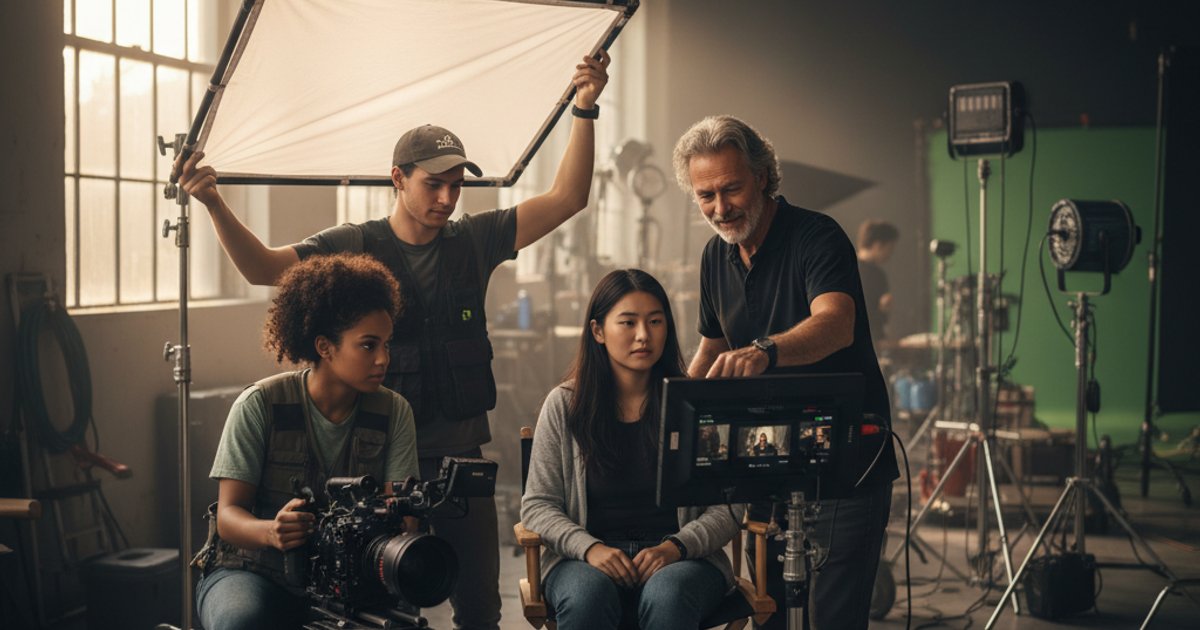
Diversity and inclusion are central to these new studio programs because the industry recognizes the immense value of varied perspectives in storytelling and the need to reflect global audiences more accurately. This isn’t just a moral imperative; it’s a business necessity, as diverse content resonates with broader demographics.
Studies consistently show that films and TV shows with diverse casts and creative teams perform better at the box office and attract larger viewerships. A 2025 UCLA Hollywood Diversity Report found that films with 31-40% minority cast members achieved the highest median global box office returns. Studios are actively seeking to cultivate talent from underrepresented groups—including women, people of color, LGBTQ+ individuals, and those with disabilities—to bring fresh voices and authentic narratives to the screen. Warner Bros. Discovery, for example, has committed to ensuring that at least 50% of its 2027 internship cohort will be from underrepresented backgrounds, a target outlined in its recent corporate responsibility report. This commitment extends beyond entry-level roles, aiming to build a more inclusive industry from the ground up. Film making schools that actively promote diversity in their admissions and support systems will be better positioned to partner with these studios.
The Future of Film Making School: Collaboration and Specialization
The future of film making school lies in deep collaboration with the industry and increased specialization, moving away from a one-size-fits-all approach to education. Schools will need to become more agile, adapting for a volatile future, and their offerings to meet the rapidly evolving technological and creative demands of studios.
This means more joint ventures between academic institutions and production companies, where students work on real-world projects under the guidance of industry professionals. We’re already seeing examples of this, such as the recent partnership between the American Film Institute (AFI) and a major VFX studio, offering a specialized track in immersive storytelling. Furthermore, film making schools will increasingly offer highly specialized programs focusing on niche but high-demand areas like virtual reality content creation, interactive narrative design, or advanced color grading. A 2026 forecast by PricewaterhouseCoopers (PwC) predicts that specialized media technology roles will grow by 20% by 2030, outpacing general production roles. This specialization ensures graduates are not just generally trained but possess expertise in critical areas that the industry desperately needs, making them highly attractive candidates.
Frequently Asked Questions
What kind of internships are studios offering?
Studios are offering a wide range of internships across various departments, including production, post-production, development, marketing, finance, and legal. Many are now specifically tailored to provide hands-on experience in emerging technologies like virtual production and immersive media, moving beyond traditional administrative roles.
How important is a film making school degree now?
A film making school degree remains valuable, but its importance is increasingly tied to the practical experience and industry connections it facilitates. Studios prioritize demonstrable skills and a strong portfolio over a degree alone. The most effective programs combine rigorous academic training with extensive practical application.
Are these new programs paid?
Yes, the vast majority of expanded studio internship and entry-level programs are paid. Major studios recognize the importance of fair compensation to attract top talent and ensure accessibility for students from all socioeconomic backgrounds. Many also offer stipends for housing and travel.
What skills are most in demand for these new roles?
Skills most in demand include proficiency in industry-standard software (e.g., Adobe Creative Suite, DaVinci Resolve, Unreal Engine), strong collaborative abilities, problem-solving under pressure, and a foundational understanding of storytelling. Technical skills in areas like cinematography, editing, sound design, and visual effects are particularly sought after.
How can I make my application stand out?
To make your application stand out, focus on showcasing a strong portfolio of practical work, even if it’s student films or personal projects. Highlight any leadership roles, collaborative experiences, and demonstrate a genuine passion for specific areas of filmmaking. Tailor your application to each studio’s specific values and program focus.
Will these changes make it harder to get into the film industry?
These changes may make entry more competitive for those without practical experience, but they also create clearer pathways for individuals who actively pursue hands-on training and internships. The industry is looking for talent, and these expanded programs are designed to identify and nurture it, making the path more structured, if more demanding.
What role does MarQ Academy play in this evolving landscape?
MarQ Academy, as a leading educational resource and industry observer, helps aspiring filmmakers and educational institutions navigate this evolving landscape. We provide insights into industry trends, analyze curriculum shifts, and offer guidance on developing the practical skills and strategic approaches needed to succeed in modern Hollywood.
Last updated: June 11, 2026
 English
  Chinese