
By MarQ Academy
Updated July 5, 2026
Forget the notion that a single, expensive film school degree is the only path into the world of cinema. The truth is, the most impactful education in film and cinematography today often isn’t found in a single institution, but rather meticulously constructed by the individual. It’s an ‘un-course’ approach, a bespoke curriculum you design yourself, leveraging the vast, decentralized resources available. This isn’t about skipping education; it’s about taking agency over it, tailoring every lesson, every mentor, and every project to your precise vision and career goals.
For years, the industry narrative pushed the traditional film school as the gatekeeper. And for some, it still is a fantastic option. But what I’ve seen over my years covering this sector, especially with the explosion of digital tools and online learning, is a profound shift. The barriers to entry have crumbled, and with them, the need for a one-size-fits-all education. The real story now is about intentionality, about building a learning journey that’s as unique as the films you aspire to create.
Key Takeaways
- Traditional film school isn’t the only, or even always the best, path for aspiring filmmakers and cinematographers.
- A ‘bespoke’ or ‘un-course’ approach allows for highly personalized and often more affordable education.
- Combining online learning, mentorship, practical projects, and specialized workshops is crucial.
- Networking and building a portfolio are paramount, regardless of educational path.
- Continuous learning and adaptability are essential in the fast-evolving film industry.
Why Rethink the Traditional Film Course Model?
The traditional film course model, while offering structure and networking opportunities, often comes with significant drawbacks, primarily cost and a potentially generalized curriculum. For many aspiring filmmakers and cinematographers, the financial burden alone can be prohibitive, leaving graduates with substantial debt before they’ve even shot their first paid gig. Beyond that, these programs, by their nature, must cater to a broad range of students, which can mean less focus on a specific niche or craft that a student might be passionate about.
Look, I’ve spoken to countless industry professionals, and what consistently comes up isn’t *where* someone went to school, but *what* they can do, who they know, and what projects they’ve completed. The diploma is often less important than the demo reel. This isn’t to say film schools are useless; far from it. They provide an immersive environment, access to equipment, and a built-in network. But for those who can’t afford it, or who prefer a more self-directed path, there are incredibly effective alternatives. The landscape has changed, and our approach to education needs to change with it.
The Financial Burden of a Traditional Film Education
Let’s be blunt: film school can be ridiculously expensive. Tuition, living expenses, equipment costs – it all adds up. According to a 2023 report by Education Data Initiative, the average cost of a four-year degree at a private university in the U.S. is around $160,480. While film schools vary, many top-tier programs fall into or exceed this range. That’s a massive investment, and it doesn’t guarantee a job upon graduation. I’ve seen too many talented individuals weighed down by student loan debt, forced to take jobs outside their passion just to make ends meet, delaying their creative pursuits.
The honest truth is, for many, that kind of debt can stifle creativity, not foster it. It creates pressure to conform, to take safe bets, rather than to experiment and fail, which is crucial for artistic growth. The ‘un-course’ approach, by contrast, allows you to invest in specific skills, tools, and experiences as you go, often at a fraction of the cost.
Curriculum Limitations and Niche Specialization
A comprehensive film course, by design, has to cover a broad spectrum of filmmaking. You’ll touch on directing, producing, editing, sound design, and yes, cinematography. But if your heart is set on becoming a world-class cinematographer, those required courses in screenwriting or film theory, while valuable, might take away precious time and resources from your core passion. It’s a trade-off.
The beauty of building your own cinematography training or film education is that you can dive deep, immediately. Want to master lighting for night scenes? Focus on that. Obsessed with anamorphic lenses? Spend your time and money there. You’re not bound by a syllabus designed for the average student. You become the architect of your own specialized learning journey.
Designing Your Own Film & Cinematography ‘Un-Course’
Building your own bespoke film education isn’t just about saving money; it’s about creating a learning experience perfectly aligned with your ambitions. It requires discipline, curiosity, and a proactive mindset, but the rewards are immense. Think of yourself as the dean of your own personal film academy.
Step 1: Define Your Niche and Goals
Before you even think about online courses or gear, you need clarity. What kind of filmmaker or cinematographer do you want to be? Do you dream of shooting documentaries, narrative features, commercials, music videos? Are you drawn to a specific genre, like horror or sci-fi? Do you want to specialize in lighting, camera operation, or perhaps visual effects cinematography?
This isn’t just a philosophical exercise; it’s practical. Your defined niche will dictate your learning path, the mentors you seek, and the projects you pursue. For example, a documentary cinematographer needs a different skill set (and often different gear) than someone shooting high-end commercials. Be specific. Write it down. This is your mission statement.
Step 2: Curate Your Online Learning Resources
The internet is an unparalleled university for film and cinematography. From free YouTube tutorials to premium masterclasses, the sheer volume of information is staggering. The key is curation – finding high-quality, actionable content and structuring your learning.
- YouTube Channels: Channels like Cinecom.net, Peter McKinnon, and Aputure have incredible, free breakdowns of techniques, gear reviews, and lighting setups. Start here for foundational knowledge and practical tips.
- Online Platforms: Websites like MasterClass, MZed, Skillshare, and LinkedIn Learning offer structured courses taught by industry legends. Shane Hurlbut’s courses on MZed, for instance, are a masterclass in cinematography training. These often come with a subscription fee, but it’s a fraction of traditional tuition.
- Official Documentation: Don’t overlook camera manuals and software guides. Understanding your tools deeply is fundamental.
- Blogs and Forums: Websites like No Film School, IndieWire, and forums on RedUser or Blackmagic Design are goldmines for discussions, troubleshooting, and industry news.
My advice? Don’t just consume passively. Take notes. Try to replicate techniques. Pause videos and ask ‘why’ they made that choice. Active learning makes all the difference.
Step 3: Seek Out Mentorship and Networking
This is arguably the most critical component of any successful ‘un-course’ approach. Knowledge can be acquired online, but wisdom, practical advice, and industry connections come from people. Mentors can guide you, open doors, and provide invaluable feedback that no online course can replicate.
- Assistant Roles: Offer to assist on any set you can, even unpaid at first. Start as a PA (Production Assistant), a 2nd AC (Assistant Camera), or a grip. Observe, ask smart questions, and prove your reliability. This is where you learn the rhythm of a set and make connections.
- Local Film Communities: Join local film clubs, meetups, and online groups. Attend film festivals and industry events. These are prime opportunities to meet like-minded individuals and potential collaborators.
- Direct Outreach: Don’t be afraid to respectfully reach out to filmmakers or cinematographers whose work you admire. A polite, concise email asking for 15 minutes of their time for advice can go a long way. Be prepared, have specific questions, and respect their time.
I’ve seen careers launched not by degrees, but by a single, well-placed introduction or a chance meeting on a small set. Building genuine relationships is paramount. According to a 2024 survey by the Producers Guild of America, over 70% of new hires in independent film production come through personal recommendations or networking.
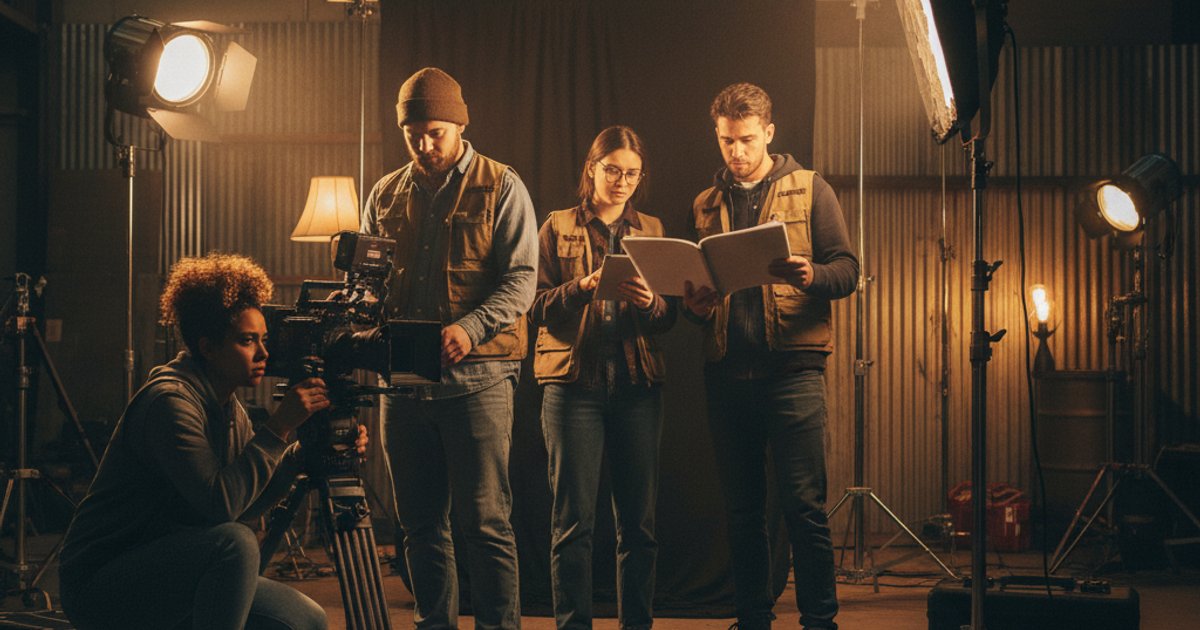
What most people miss is that networking isn’t about collecting business cards; it’s about building a community. It’s about finding your tribe, people you can learn from, collaborate with, and eventually hire or be hired by. This is the real-world film course.
Step 4: Project-Based Learning: The Heart of Your Portfolio
You can watch a thousand tutorials on lighting, but until you actually light a scene, you haven’t truly learned. Practical application is non-negotiable. This is where your ‘un-course’ truly shines. Every project, big or small, is an opportunity to learn, experiment, and build your portfolio.
- Short Films: Start small. Gather friends, write a simple script, and shoot it. Don’t wait for perfect gear or a big budget. The goal is to practice, make mistakes, and learn from them.
- Music Videos: Often a great way to experiment with visual styles and build a reel. Artists are always looking for creative visuals, and budgets can vary widely.
- Commercials/Promos: Local businesses often need simple promotional videos. This can be a great way to get paid experience and practice working with clients.
- Personal Projects: Shoot what excites you. Test new techniques, lenses, or lighting setups. These personal explorations often lead to your most unique and compelling work.
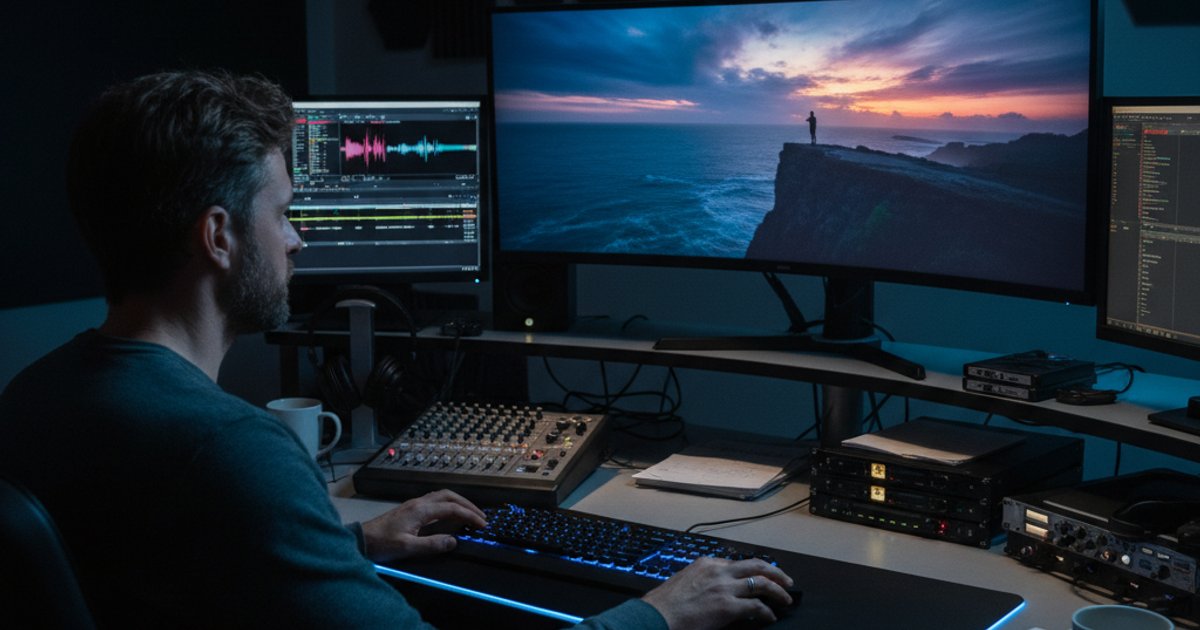
Each project is a module in your bespoke film course. You’ll learn about pre-production, planning shots, managing a crew (even if it’s just you and a friend), problem-solving on set, and post-production workflows. And critically, each project adds to your demo reel – the single most important piece of collateral for a filmmaker or cinematographer.
Step 5: Specialized Workshops and Intensives
While your core learning might be self-directed, there’s immense value in targeted, short-term workshops. These can provide deep dives into specific areas, often taught by working professionals, and offer hands-on experience with specialized equipment.
- Lighting Workshops: Learn advanced lighting techniques from gaffers and cinematographers.
- Camera Operating Intensives: Get hands-on with high-end cinema cameras and learn professional operating techniques.
- Color Grading Seminars: Understand the art and science of color correction and grading.
- Drone Cinematography: Master aerial videography and relevant regulations.
These workshops are often more affordable than full-time programs and allow you to fill specific knowledge gaps or gain certifications for specialized equipment. They’re like elective credits in your custom curriculum.
What About Equipment? Do I Need the Best Gear?
This is a common trap I see aspiring filmmakers fall into: obsessing over gear. The honest answer is no, you absolutely do not need the most expensive, ‘best-in-class’ equipment to start. In fact, starting with simpler gear often forces you to be more creative and understand the fundamentals better. A great story, well-lit, shot on an iPhone, will always be more compelling than a poorly conceived one shot on a RED camera.
However, as you progress, understanding and having access to professional-grade equipment becomes important. Here’s how to approach it:
- Start Small: Your smartphone, a DSLR, or a mirrorless camera is perfectly capable of producing stunning images. Focus on composition, lighting, and storytelling first.
- Rent, Don’t Buy (Initially): For bigger projects or when you need specialized gear (cinema cameras, specific lenses, advanced lighting), rent it. Rental houses are a staple of the industry and allow you to use high-end equipment without the massive upfront investment. This also lets you try different gear before committing to a purchase.
- Invest Incrementally: As you start getting paid for your work, invest in key pieces of equipment that will enhance your workflow or allow you to take on more complex projects. A good set of lights, a reliable tripod, and quality audio gear often provide more bang for your buck than the latest camera body.
Remember, gear is a tool, not a talent. The best cinematographers can make magic with limited resources because they understand light, composition, and emotion. The gear just helps them execute their vision more efficiently.
Building a Compelling Portfolio and Reel
Your portfolio, specifically your demo reel, is your resume in the film industry. It’s how you showcase your skills, your style, and your understanding of visual storytelling. Without a strong reel, even the most extensive ‘un-course’ education won’t get you far.
Curating Your Best Work
Don’t put everything you’ve ever shot on your reel. Be ruthless. Only include your absolute best work, and tailor it to the type of jobs you want. If you want to shoot commercials, your reel should primarily feature commercial-style work. If you’re aiming for narrative features, showcase your storytelling and dramatic lighting.
- Keep it Short: A reel should typically be 1-3 minutes long. Industry professionals are busy; they want to see your best work quickly.
- Start Strong, End Strong: Hook them in the first 10-15 seconds. Your strongest shots should be at the beginning and end.
- Highlight Your Role: Clearly state what your role was on each project (e.g., ‘Director of Photography,’ ‘Camera Operator,’ ‘Gaffer’).
- Show Variety (Within Reason): Demonstrate your range with different lighting conditions, genres, and camera movements, but ensure it still feels cohesive to your desired niche.
A well-crafted reel speaks volumes. It’s proof of your capabilities and taste. This is the ultimate ‘grade’ from your bespoke film course.
Comparison: Traditional Film School vs. Bespoke ‘Un-Course’
To help you decide which path might be right for you, here’s a quick comparison:
| Feature | Traditional Film School | Bespoke ‘Un-Course’ |
|---|---|---|
| Cost | Very High ($50k – $200k+) | Variable, often significantly lower ($5k – $50k) |
| Structure | Rigid curriculum, set timelines | Flexible, self-paced, customizable |
| Networking | Built-in alumni network, faculty connections | Self-driven, requires proactive effort |
| Equipment Access | Often extensive, high-end gear provided | Relies on rentals, personal purchases, or project access |
| Mentorship | Faculty guidance, guest speakers | Self-sourced, often informal, project-based |
| Portfolio Building | Structured projects, student films | Self-initiated projects, client work, collaborations |
| Industry Recognition | Degree can open some doors (initially) | Skills and portfolio are primary drivers |
| Pacing | Fixed academic schedule | Determined by individual learning speed & project flow |
As you can see, each has its merits. The ‘un-course’ demands more self-motivation and initiative, but offers unparalleled flexibility and cost-effectiveness. The best path isn’t universal; it’s personal.
The MarQ Academy Perspective: Empowering the Modern Filmmaker
At MarQ Academy, we believe in empowering individuals to take control of their creative journey. Our focus is on providing the insights and practical strategies that help aspiring filmmakers and cinematographers navigate this evolving industry, whether they choose a traditional path or, increasingly, a bespoke one. We’ve seen firsthand how a well-structured, self-directed education can lead to incredible success, often faster and with less debt than conventional routes.
The key is to be strategic. Don’t just dabble; commit. Treat your self-designed film course with the same rigor and dedication you would a university program. Set goals, track your progress, and constantly seek feedback. The industry rewards talent, drive, and a strong body of work, regardless of where you acquired your skills.
The Future of Film & Cinematography Education
The landscape of film and cinematography education is only going to become more decentralized and personalized. AI tools are already changing post-production workflows, virtual production stages are redefining set design, and the demand for diverse content across countless platforms continues to explode. This means continuous learning isn’t just a good idea; it’s a professional imperative.
Your ‘un-course’ won’t end when you land your first big gig. It’s a lifelong commitment to learning, adapting, and honing your craft. The skills you develop in self-direction, problem-solving, and networking will serve you far beyond any single project or educational program. Embrace the journey, build your unique path, and go make some incredible films.
Frequently Asked Questions
Is a film school degree necessary to become a successful cinematographer?
No, a film school degree is not strictly necessary. While it offers structured learning and networking, many successful cinematographers have learned through hands-on experience, mentorships, and self-directed study. Your portfolio and connections are generally more important than a diploma.
How much does it cost to build a bespoke film education?
The cost varies significantly based on your choices. It can range from a few thousand dollars for online courses and basic gear to tens of thousands if you invest in high-end workshops and rent specialized equipment frequently. It’s almost always less expensive than a traditional four-year film program.
What’s the most important skill for a self-taught filmmaker?
Self-discipline and a proactive approach are paramount. You need to be able to set your own curriculum, seek out learning opportunities, and consistently push yourself to create projects and build your network without external deadlines or structures.
How do I find mentors in the film industry?
Start by assisting on sets, even in entry-level roles like a PA or 2nd AC. Join local film communities, attend industry events, and respectfully reach out to professionals whose work you admire. Be reliable, eager to learn, and always professional.
What kind of projects should I start with to build my portfolio?
Begin with short films, music videos, or even simple commercial promos for local businesses. The key is to create projects that allow you to practice your craft, experiment with different techniques, and showcase your visual storytelling abilities. Don’t wait for perfection; just start creating.
Can I really learn cinematography effectively without expensive equipment?
Absolutely. Focus on understanding the fundamentals of light, composition, and storytelling first. Many successful projects have been shot on consumer-grade cameras or even smartphones. Rent specialized equipment when needed, and invest incrementally as your skills and income grow.
How long does it take to become proficient in cinematography through a self-directed path?
Proficiency is an ongoing journey, but you can build a solid foundation and a compelling portfolio within 2-4 years of dedicated self-study and practical application. This timeline can be comparable to or even faster than a traditional degree, depending on your commitment and learning pace.
 English
  Chinese