
玛克学院
Updated July 9, 2026
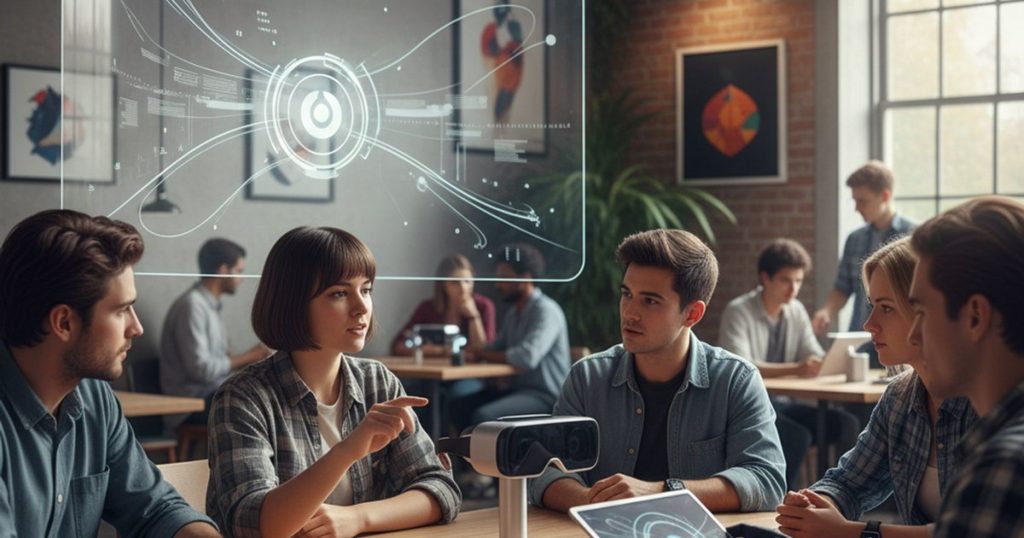
The future of storytelling isn’t just on a screen anymore; it’s all around us, and this week, several prominent film making schools made that abundantly clear. Across the globe, ‘Future of Film’ showcases demonstrated a seismic shift in how the next generation of creators is being trained, moving far beyond traditional linear narratives and into the thrilling, often disorienting, world of interactive and immersive experiences. It’s a pivotal moment for anyone considering a film making school, as the curriculum is rapidly evolving.
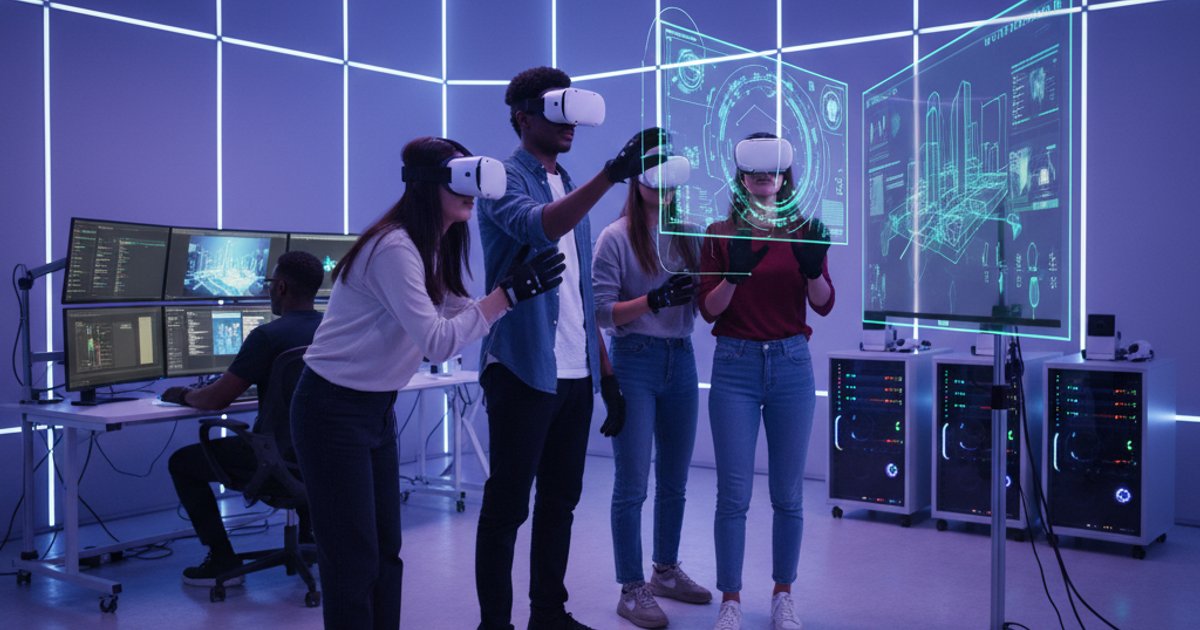
Students presented projects utilizing augmented reality (AR), virtual reality (VR), and even haptic feedback systems, pushing the boundaries of what we’ve historically considered ‘cinema.’ These aren’t just experimental side projects; they’re becoming core components of the curriculum, signaling a profound change in the industry. What strikes me about this isn’t just the tech itself, but the sheer creativity and narrative ambition on display. This isn’t about gimmicks; it’s about entirely new ways to connect with an audience.
要点
- Curriculum Revolution: Film making schools are rapidly integrating AR, VR, and interactive media into core programs, moving beyond traditional film.
- Industry Demand: The entertainment sector is increasingly seeking graduates proficient in immersive technologies for games, experiences, and branded content.
- 动手实践: Students are gaining practical experience with cutting-edge tools like Unreal Engine, Unity, and specialized haptic devices.
- New Narrative Forms: The focus is on crafting non-linear, participant-driven stories that adapt to user choices and actions.
- Career Opportunities: This shift is opening up diverse career paths in interactive design, experience production, and virtual world-building.
Why Are Film Making Schools Embracing Immersive Technologies Now?
Film making schools are embracing immersive technologies because the entertainment industry’s demand for these skills has exploded, making it a necessity to prepare students for the jobs of tomorrow. The traditional film industry, while still robust, is no longer the sole — or even primary — employer for many creative graduates. Gaming, interactive experiences, branded content, and even architectural visualization are all clamoring for talent that understands narrative, visual design, and user experience in 3D, real-time environments.
From what I’ve seen covering this sector for years, the turning point wasn’t just the advent of VR headsets like the Meta Quest or Apple Vision Pro. It was the maturation of 游戏引擎与互动叙事 like Unreal Engine and Unity, which have become incredibly powerful tools for real-time rendering and interactive content creation. These platforms, once solely the domain of game developers, are now essential for anyone creating virtual productions, AR filters, or VR experiences. And the schools are responding, often partnering directly with tech companies to ensure their students are learning on the latest hardware and software.
The Shifting Landscape of Entertainment Production
The entertainment production landscape is undergoing a fundamental transformation, driven by audience desire for more personalized and engaging content. We’re seeing a convergence of film, gaming, and experiential design. Think about it: a blockbuster movie might have a companion VR experience, an AR filter for social media, and an interactive narrative game. The lines are blurring, and a modern film making school simply can’t afford to ignore these trends.
According to a 2025 report by PwC, the global immersive experiences market (including VR/AR) is projected to reach over $1.5 trillion by 2030, a staggering figure that underscores the economic imperative for this curriculum shift. That’s not just a niche market; that’s a significant chunk of the creative economy. So, for a film making school to remain relevant, it has to be at the forefront of this evolution, not playing catch-up.
What New Skills Are Students Learning in a Modern Film Making School?
Students in today’s forward-thinking film making schools are acquiring a diverse set of skills that blend traditional cinematic craft with cutting-edge interactive design and technical proficiency. It’s no longer enough to know how to light a scene or direct an actor for a flat screen.
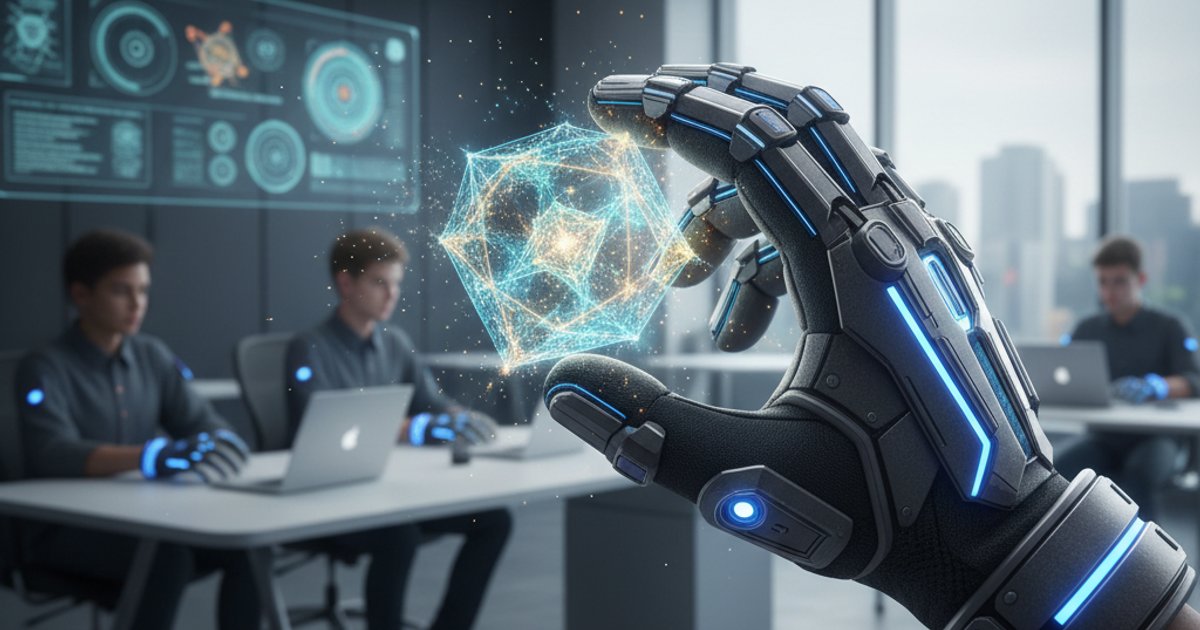
They’re learning spatial storytelling — how to guide a user’s attention in a 360-degree environment, where the audience controls the ‘camera.’ This involves understanding user psychology, environmental design, and interactive narrative branching. They’re also diving deep into game engine development, mastering tools like Unreal Engine’s Blueprints or Unity’s C# scripting. This isn’t just about coding; it’s about understanding the logic and systems that drive interactive experiences. And, crucially, they’re learning about haptic feedback, understanding how touch and physical sensation can enhance immersion, which is a surprisingly nuanced art.
From Linear to Interactive Narratives
The biggest conceptual leap is from linear to interactive narratives. In traditional film, the director is king, dictating every frame and every beat. In immersive experiences, the user becomes a co-creator. This requires a completely different approach to story structure, character development, and pacing. Students are grappling with questions like: How do you maintain narrative tension when the audience can literally walk away from the plot? How do you ensure emotional resonance when every user’s journey is unique?
This is where the true innovation lies, in my opinion. It’s not just about the tech; it’s about the philosophical shift in how we conceive of and deliver stories. And it’s exciting to see a film making school tackling these complex questions head-on, preparing their graduates not just for jobs, but for shaping the very future of entertainment.
How Do Immersive Technologies Enhance Storytelling?
Immersive technologies enhance storytelling by placing the audience directly within the narrative, fostering a deeper sense of presence, empathy, and agency than traditional media. Instead of merely observing a story unfold, viewers become participants, influencing events and experiencing them firsthand. This direct engagement creates a more visceral and memorable impact.
Take VR, for example. When you’re in a virtual environment, your brain processes it as a real place. This means emotional responses are often heightened. If a character is in distress, you feel a stronger urge to help. If you’re exploring a fantastical world, the sense of wonder is amplified because you feel like you’re actually there. AR, on the other hand, overlays digital elements onto the real world, blending fantasy with reality and allowing stories to unfold in your own living room or on the street.
The Power of Presence and Agency
The core of this enhancement comes down to presence and agency. Presence is that feeling of ‘being there,’ which VR excels at. Agency is the ability to make choices and have those choices impact the story, a hallmark of interactive narratives. Combine these, and you have a storytelling medium that can be incredibly powerful. Imagine a documentary where you don’t just watch a refugee’s journey, but you experience fragments of it from their perspective, making choices that mirror their difficult decisions. That’s what these technologies enable.
For instance, one project I saw at a recent showcase from a leading film making school involved a VR experience where participants had to navigate a morally ambiguous situation, with their choices leading to vastly different outcomes. The emotional weight was palpable. It makes you realize that while the tools are new, the fundamental human desire for compelling stories remains unchanged. These are just new, more potent ways to tell them.
Comparative Overview: Traditional vs. Immersive Storytelling Education
| 功能 | Traditional Film Making School Focus | Modern Immersive Film Making School Focus |
|---|---|---|
| Primary Medium | 2D Screen (Cinema, TV, Web) | 3D Environments (VR, AR, XR, Interactive Web) |
| Narrative Structure | Linear, Director-driven | Non-linear, User-driven, Branching |
| Audience Role | Passive Observer | Active Participant, Co-creator |
| Key Tools | Cameras, Editing Software, Sound Mixers | Game Engines (Unity, Unreal), 3D Modeling, Haptic Devices |
| Core Skills | Cinematography, Directing, Scriptwriting, Editing | Spatial Storytelling, UX/UI Design, Real-time Rendering, Interactive Scripting |
| 职业道路 | Director, Editor, DP, Producer | Experience Designer, VR/AR Developer, Interactive Director, Virtual Production Artist |
What Challenges Do Film Making Schools Face in This Transition?
The transition to immersive technologies presents film making schools with significant challenges, primarily in securing adequate funding for expensive equipment, attracting and retaining faculty with specialized skills, and continually updating curricula in a rapidly evolving tech landscape. This isn’t cheap. High-end VR headsets, motion capture suits, haptic feedback systems, and powerful computing hardware all come with hefty price tags.
And then there’s the human element. Finding professors who are not only master storytellers but also proficient in game engines, 3D modeling, and interactive design is tough. It’s a relatively new field, and the best talent is often snapped up by industry at salaries that academic institutions struggle to match. It’s a constant balancing act, trying to stay ahead without breaking the bank or losing your best educators.
The Pace of Technological Change
The pace of technological change itself is a massive hurdle. What’s cutting-edge today could be obsolete in 18 months. This means curricula need to be agile, constantly adapting to new software updates, hardware releases, and industry standards. It’s not like teaching classic film theory, which remains largely constant. This requires a different mindset, one that embraces continuous learning and experimentation, both from the faculty and the students.
I’ve spoken with deans who admit it’s a constant struggle. They’re trying to predict the future while teaching the present, all on a budget. But the proactive film making schools, like those MarQ Academy has highlighted, are finding ways to innovate, often through industry partnerships and grants, ensuring their students are always learning on relevant platforms. That said, it’s an ongoing battle, and only the most adaptable institutions will truly thrive.
The Future is Now: Why This Matters for Aspiring Filmmakers
For aspiring filmmakers, understanding and mastering immersive technologies isn’t just an advantage; it’s rapidly becoming a necessity for a viable career in the broader entertainment industry. The skills you gain at a modern film making school that embraces these technologies will open doors to a much wider array of opportunities than ever before.
Think beyond just Hollywood blockbusters. Consider the burgeoning field of virtual production, where LED walls and real-time rendering are replacing green screens. Or the demand for interactive experiences in museums, theme parks, and corporate training. These are all areas hungry for creative talent with a strong grasp of both narrative and technology. The traditional path is still there, of course, but the expanded landscape offers so much more.
Beyond the Screen: A World of Opportunity
The real story here isn’t just about VR headsets; it’s about the fundamental expansion of what ‘film’ can be. It’s about creating worlds, not just movies. It’s about designing experiences, not just scenes. And a film making school that understands this distinction is providing its students with a truly future-proof education. The ability to tell a story across multiple platforms, 适应沉浸式叙事 and different levels of interactivity and immersion, is the hallmark of the modern creative professional.
So, if you’re looking at a film making school, ask about their immersive media labs. Inquire about their game engine courses. See how they’re preparing you for a world where stories aren’t just watched, but lived. Because as of July 9, 2026, that world is already here.
常见问题
What is an immersive film making school?
An immersive film making school is an educational institution that integrates emerging technologies like virtual reality (VR), augmented reality (AR), and integrating Extended Reality (XR) into its core curriculum, alongside traditional film production techniques. The goal is to train students in creating interactive, spatial, and participatory narratives.
Do I need prior coding experience for an immersive film making program?
While prior coding experience can be helpful, it’s typically not a strict requirement for admission to an immersive film making school. Many programs teach the necessary technical skills, such as game engine scripting (e.g., Unreal Engine Blueprints or Unity C#), from the ground up, focusing on their application to storytelling.
What kind of careers can I pursue after an immersive film making school?
Graduates from immersive film making schools can pursue diverse careers including VR/AR experience designer, interactive director, virtual production artist, narrative designer for games, experiential content creator, and technical artist, in addition to traditional film roles.
How expensive is tuition for a film making school focused on immersive tech?
Tuition for film making schools, especially those with advanced technology programs, can vary widely. Expect costs to be comparable to or potentially higher than traditional film programs due to the specialized equipment and software required. Scholarships and financial aid are often available.
Are immersive films replacing traditional movies?
No, immersive films are not replacing traditional movies. Instead, they are expanding the definition of storytelling and creating new, complementary forms of entertainment. Traditional cinema will continue to thrive, while immersive experiences offer different ways for audiences to engage with narratives.
What is spatial storytelling?
Spatial storytelling is the art of crafting narratives within a three-dimensional environment, where the audience can move and interact. Unlike linear film, it requires guiding attention and conveying plot points through environmental cues, sound design, and interactive elements in a 360-degree space.
What is haptic feedback in immersive storytelling?
Haptic feedback refers to the use of touch sensations to enhance immersion in virtual or augmented experiences. This can involve vibrating controllers, specialized suits, or even environmental effects that simulate physical sensations like wind or temperature, making the digital world feel more tangible and real.
Last updated: July 9, 2026
 Chinese
  English