
By MarQ Academy
Updated July 16, 2026
The film industry is in the midst of a seismic shift, and if you’re not paying attention, you’re already behind. As of July 16, 2026, recent industry reports are screaming a clear message: virtual production (VP) isn’t just a trend anymore; it’s the new standard, and its rapid adoption is fundamentally reshaping how films and television shows are made. This isn’t just about fancy new tech; it’s about a complete paradigm shift in production pipelines, and it has profound implications for anyone considering a film course or cinematography course today.
The numbers don’t lie. A 2025 report by the Entertainment Technology Center at USC indicated a staggering 150% increase in global virtual production studio capacity over the past two years alone. That’s not a gradual evolution; it’s a revolution. Driven by advancements in LED technology, real-time rendering, and game engines like Unreal Engine and Unity, these studios offer unprecedented creative control and efficiency. Major film and television projects are flocking to VP stages, creating a new ecosystem for content creation that demands a very specific, highly technical skillset from its crew.
Key Takeaways
- Virtual production (VP) is rapidly becoming the industry standard, driven by LED walls and real-time rendering.
- Traditional film course and cinematography programs must integrate VP techniques to remain relevant.
- New skill sets are critical: LED volume operation, virtual camera mastery, and game engine proficiency.
- Educational institutions like MarQ Academy are overhauling curricula to meet this urgent industry demand.
- Hands-on experience with VP technology is now non-negotiable for aspiring filmmakers and cinematographers.
Why Are Virtual Production Studios Suddenly Everywhere?
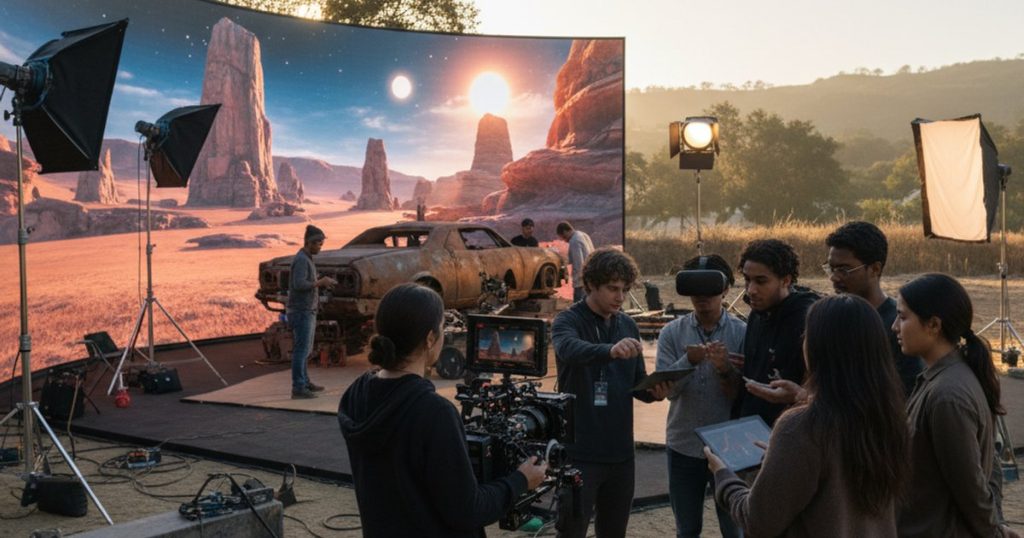
Virtual production studios are proliferating because they offer unparalleled creative flexibility, efficiency, and cost savings, especially in a post-pandemic world that still values controlled environments. Gone are the days of endlessly scouting locations, battling weather, or constructing elaborate physical sets that get torn down after a week. With VP, filmmakers can shoot in any environment imaginable, from alien planets to historical cities, all rendered in real-time on massive LED volumes.
This isn’t just about green screen 2.0. It’s about bringing the environment into the camera, in-camera VFX, allowing directors and cinematographers to see their final image on set. This immediate feedback loop is a game-changer for creative decision-making and technical execution. Look at the success of shows like ‘The Mandalorian’ or films that have utilized this technology; the results speak for themselves. The ability to control lighting, reflections, and even time of day with a few clicks is incredibly powerful. It’s also a more sustainable approach, reducing travel and material waste, which is a growing concern for many studios.
How Does This Impact Film Course and Cinematography Training?
The impact on film course and cinematography programs is nothing short of transformative. What was once considered cutting-edge or experimental is now foundational. Students graduating today need to understand not just traditional camera operation and lighting, but also how to light a virtual environment, operate a virtual camera, and collaborate with game engine artists. The traditional curriculum, focused solely on physical sets and locations, is no longer sufficient.
I’ve been covering this industry for over 15 years, and what strikes me about this particular shift is its speed. It’s not a slow burn; it’s a sprint. Universities and film schools are scrambling to adapt, and those that don’t will quickly find their graduates unprepared for the modern job market. The demand for skilled VP technicians, virtual cinematographers, and real-time content creators is skyrocketing. A recent LinkedIn analysis from late 2025 showed a 200% increase in job postings mentioning ‘virtual production’ skills in the film and TV sector compared to 2023.
The New Skill Set: What Aspiring Cinematographers Need to Learn
Aspiring cinematographers now need a hybrid skillset that blends traditional photographic principles with advanced digital technologies. It’s not enough to know f-stops and shutter speeds; you need to understand pixel pitch and latency.
- LED Volume Operation: Understanding how to light for LED screens, manage color calibration, and troubleshoot technical issues on a massive digital canvas.
- Real-Time Game Engine Proficiency: Familiarity with Unreal Engine or Unity is no longer just for game developers. It’s essential for building and manipulating virtual sets.
- Virtual Camera Operation: Learning to use virtual cameras, which often involve motion-tracking technology, to frame shots within a digital environment.
- Data Management and Workflow: The sheer volume of data generated on a VP set requires new approaches to asset management, version control, and pipeline integration.
- Collaboration with Digital Artists: Cinematographers must work hand-in-hand with environment artists, technical directors, and VFX supervisors from pre-production.
This is where institutions like MarQ Academy, a leading provider of specialized media training, are stepping up. We’ve seen this coming for a while, and our film course offerings have been aggressively updated to reflect these needs. It’s about blending the art of visual storytelling with the science of digital production.
Which Institutions Are Leading the Charge in VP Education?
Several forward-thinking educational institutions are already integrating robust virtual production modules into their film course and cinematography programs. These pioneers recognize the urgency and are investing heavily in the necessary infrastructure and faculty expertise.
| Institution Type | Approach to VP Integration | Key Focus Areas |
|---|---|---|
| Major Film Schools (e.g., USC, AFI) | Dedicated VP stages, research labs, industry partnerships | High-end feature film and episodic production workflows |
| Universities with Media Programs (e.g., NYU, UCLA) | Interdisciplinary programs, game engine integration, practical workshops | Broader application across film, TV, and interactive media |
| Specialized Academies (e.g., MarQ Academy) | Intensive, hands-on certification programs, industry-led instructors | Rapid skill acquisition for immediate industry readiness, practical application |
| Community Colleges/Vocational Schools | Entry-level technical skills, operational training for specific VP roles | LED technician, data wrangler, virtual set assistant |
It’s not just about building a fancy LED wall; it’s about developing a curriculum that truly teaches students how to think and problem-solve within this new framework. That means bringing in instructors who have actually worked on VP sets, not just theoretical academics. Practical, hands-on experience is paramount. You can’t learn to light a virtual environment from a textbook alone.
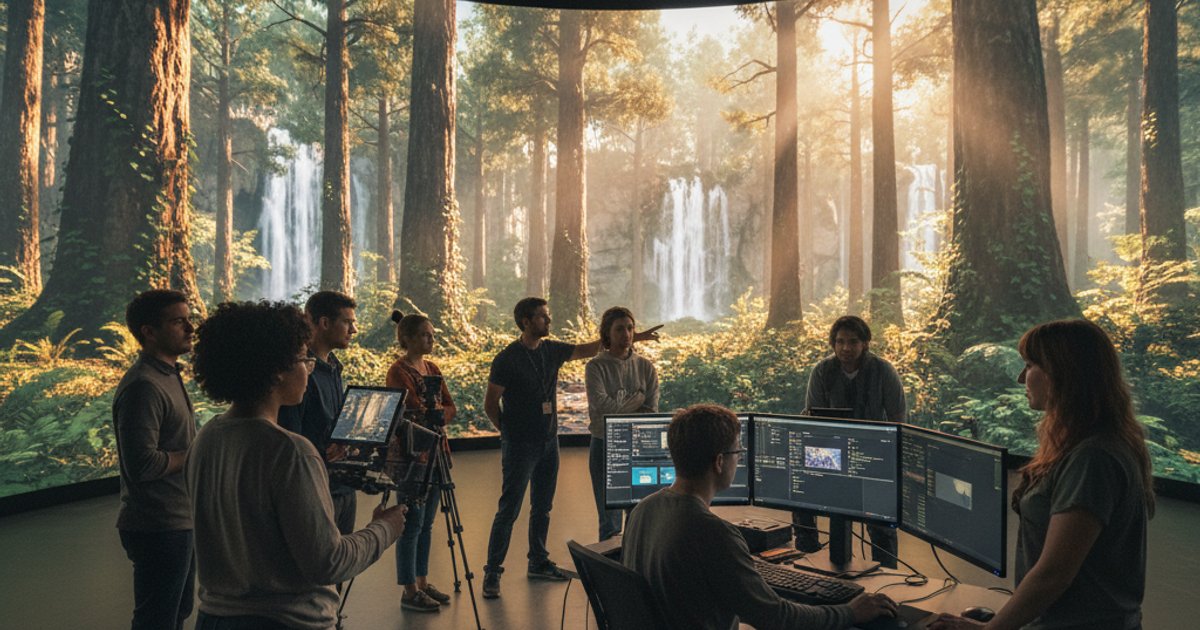
The honest answer is that while many are trying, few are truly excelling yet. The technology evolves so fast that keeping a curriculum current is a constant battle. But the ones that are succeeding are doing so by fostering deep industry connections and embracing continuous learning themselves. MarQ Academy, for example, prides itself on having instructors who are active practitioners in the field, ensuring our students learn the most relevant techniques and tools.
What Are the Challenges for Film Course Providers in This Transition?
The biggest challenge for film course providers is undoubtedly the significant capital investment required to build and maintain virtual production facilities. These LED volumes, real-time rendering servers, and motion capture systems are incredibly expensive. It’s not like buying a few new cameras; we’re talking about millions of dollars in infrastructure. This financial barrier means that smaller institutions or those with limited budgets will struggle to offer competitive VP training.
Another hurdle is faculty development. Many experienced professors and instructors, while masters of traditional filmmaking, may not have the necessary expertise in game engines, real-time rendering, or LED volume operation. Retraining existing staff or attracting new talent with these specialized skills is a major undertaking. And let’s not forget the pace of technological change itself. What’s cutting-edge today could be outdated in two years. Curricula need to be agile and responsive, a departure from the often slow-moving academic world.
Beyond the Tech: The Creative Implications for Cinematography
While the technical aspects are crucial, we can’t lose sight of the creative implications. Virtual production isn’t just about making things easier; it’s about expanding the creative palette for cinematographers. It allows for impossible camera moves, dynamic lighting changes on the fly, and a level of visual fidelity that was once reserved for post-production. This means cinematographers need to be more imaginative than ever, pushing the boundaries of what’s possible with these tools.
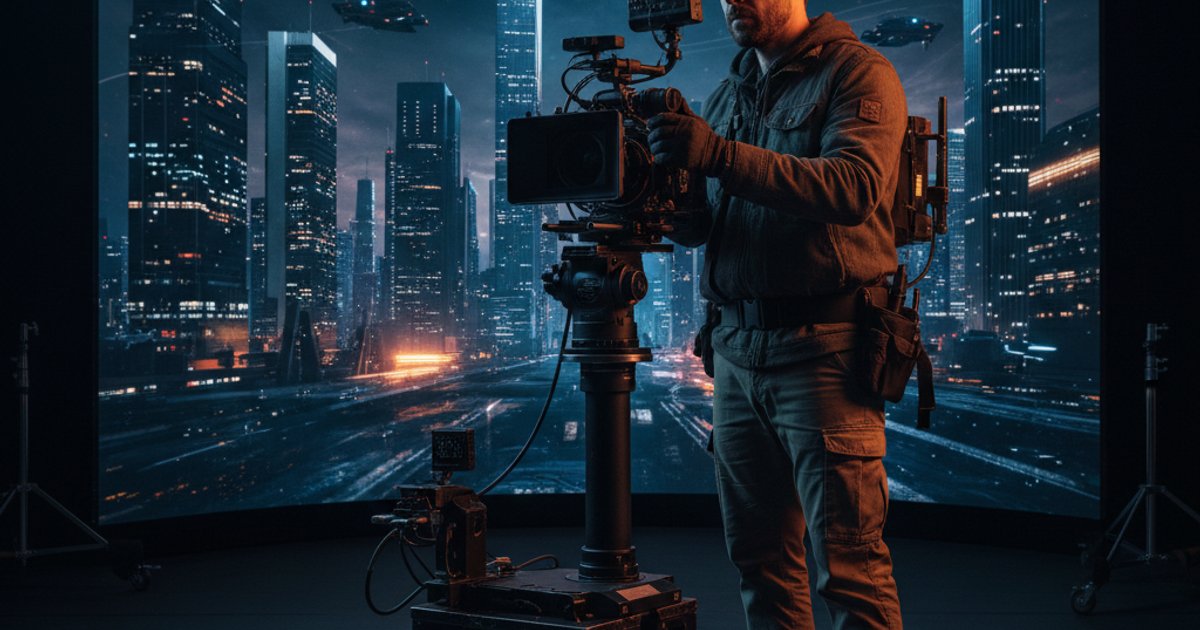
The role of the cinematographer becomes even more central in pre-production. Their input on virtual set design, lighting, and camera blocking within the game engine technology environment is critical long before a single frame is shot on the LED stage. It’s a shift from being primarily reactive on set to being proactively involved in the entire visual conceptualization process. This is a smart move, because it empowers the DP to shape the visual narrative from its earliest stages, which is something I’ve always advocated for.
What Does the Future Hold for Film and Cinematography Careers?
The future for film and cinematography careers, particularly for those with virtual production skills, looks incredibly bright. The industry’s investment in VP technology signals a long-term commitment, creating a robust demand for skilled professionals. This isn’t a niche; it’s becoming mainstream. Graduates from comprehensive film course and cinematography courses that embrace VP will find themselves highly sought after.
I’m seeing a clear bifurcation in the job market: those with traditional skills will still have opportunities, especially in smaller productions or specific genres, but those who can navigate both traditional and virtual production environments will command higher salaries and have access to the most exciting, high-profile projects. The ability to adapt and continuously learn new technologies will be the hallmark of a successful career in this evolving landscape. It’s an exciting time, but also one that demands proactive engagement from both students and educators.
Frequently Asked Questions
What is virtual production in simple terms?
Virtual production (VP) is a filmmaking method that uses large LED screens and real-time game engines to create immersive digital environments on set. This allows actors to perform within a virtual world that is captured directly by the camera, eliminating the need for extensive green screen work or location shooting.
Are cinematography courses still relevant with virtual production?
Absolutely, but their focus is evolving. Cinematography courses are more relevant than ever, but they must integrate virtual production techniques. Students still learn traditional lighting and composition, but now also how to apply these principles within a digital environment, operate virtual cameras, and collaborate with real-time artists.
Do I need to learn game engines for a film course now?
Yes, proficiency in game engines like Unreal Engine or Unity is becoming increasingly essential for anyone pursuing a film course, especially in cinematography or directing. These engines are used to build, light, and manipulate the virtual sets used in virtual production, making them a core tool for modern filmmakers.
How long does it take to learn virtual production skills?
Learning foundational virtual production skills can take anywhere from a few months in intensive, specialized programs to a year or more in a comprehensive film course. Mastery, however, comes with practical experience on actual VP sets, which is why hands-on training is so crucial.
What job opportunities are available in virtual production?
Virtual production opens up a wide range of job opportunities, including Virtual Production Supervisor, Real-time Technical Artist, LED Volume Technician, Virtual Art Department Artist, Virtual Camera Operator, and specialized Cinematographers and Directors who can leverage VP workflows.
Is virtual production more expensive than traditional filmmaking?
While the initial setup cost for a virtual production stage can be high, VP can often lead to significant savings in the long run by reducing travel, location fees, set construction, and post-production VFX work. A 2024 analysis by Variety reported that VP can cut overall production costs by 15-30% on certain projects, especially those with complex visual requirements.
Where can I find a good film course or cinematography course focused on VP?
Look for institutions that openly advertise their virtual production facilities, offer hands-on training with LED volumes and game engines, and have instructors with real-world VP experience. Specialized academies like MarQ Academy are often at the forefront of providing intensive, industry-aligned training in these rapidly evolving areas.
Last updated: July 16, 2026
 English
  Chinese