
By MarQ Academy
Updated August 1, 2026
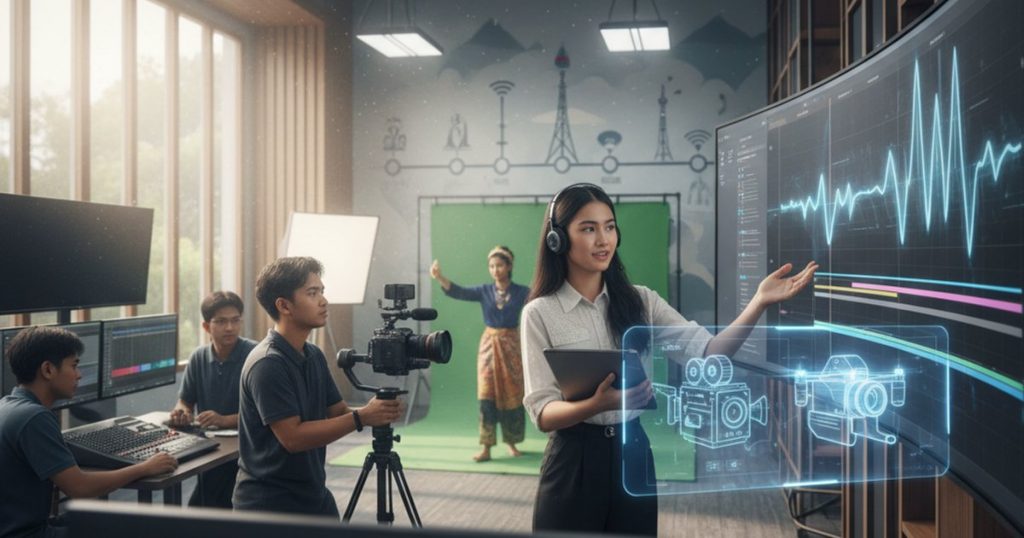
For anyone looking to dive into the dynamic world of visual storytelling, understanding where video production education has come from, and more importantly, where it’s headed, is absolutely critical. What most prospective students and even some industry veterans miss is the profound, almost seismic, shift in how we learn to make moving pictures. It’s not just about new cameras or editing software; it’s about a fundamental redefinition of the classroom, the curriculum, and the very concept of a ‘video production school.’
Key Takeaways
- Video production education has evolved from traditional film schools focused on celluloid to modern digital media programs emphasizing diverse platforms.
- Technological advancements, particularly the shift from analog to digital, have been the primary drivers of curriculum change and pedagogical innovation.
- The future of video production schools will likely feature highly specialized, interdisciplinary, and experience-based learning models, often leveraging virtual and augmented reality.
- A strong emphasis on adaptability, continuous learning, and business acumen will be crucial for graduates entering the ever-changing media industry.
- Malaysian institutions are increasingly integrating global best practices while retaining local cultural nuances in their video production curricula.
From Celluloid to Pixels: The Early Days of Video Production Schools
The journey of video production education began, quite naturally, with film. In the mid-20th century, if you wanted to learn how to make movies, you went to a film school. These institutions, often steeped in the traditions of Hollywood or European art cinema, focused heavily on the mechanics of celluloid: loading film, operating bulky cameras, understanding light meters, and the meticulous process of developing and editing film stock. It was an expensive, craft-intensive endeavor, and the schools reflected that, emphasizing hands-on training with specialized, often temperamental, equipment.
The Rise of Television and Its Impact
Then came television. This wasn’t just a new medium; it was a revolution in content delivery, demanding a different kind of production skillset. Suddenly, there was a need for speed, for live broadcasting, and for a more accessible, less precious approach to visual storytelling. Film schools began to grudgingly incorporate television production into their offerings, often as a separate, slightly less prestigious track. The equipment was different – video cameras, switchers, and magnetic tape – and the workflow was faster, less forgiving. This marked the first major divergence in what a ‘video production school’ truly meant, moving beyond the silver screen into the living room.
The Digital Tsunami: How Technology Reshaped Education
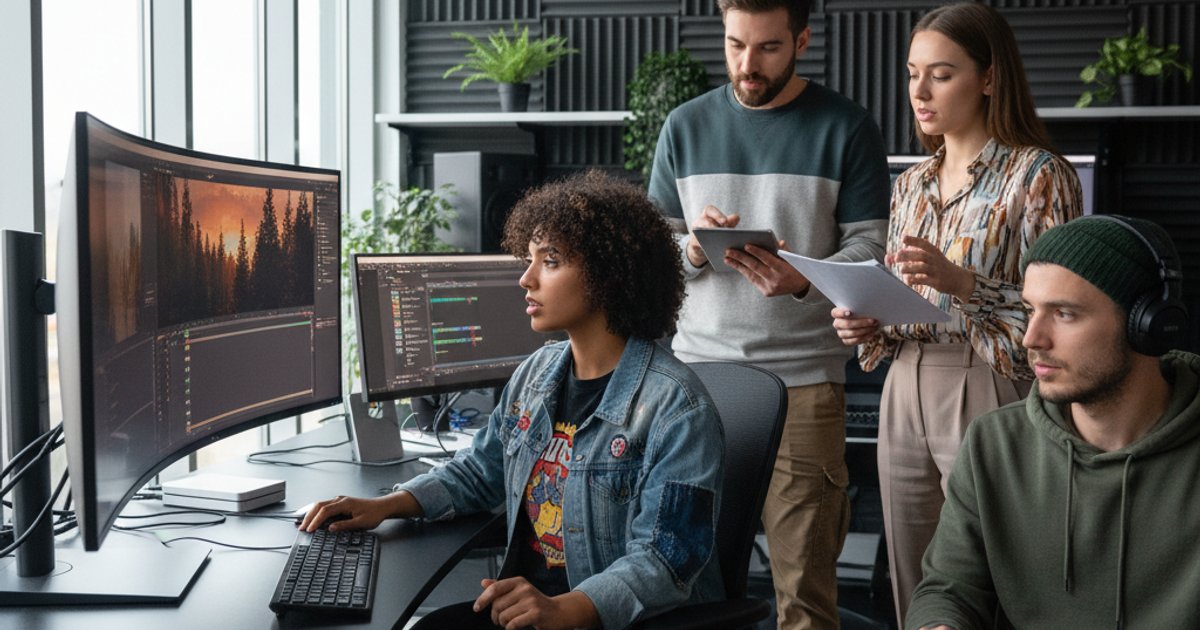
The late 20th and early 21st centuries brought about the most profound transformation: the digital age. This wasn’t a gradual shift; it was a tsunami that swept away decades of established practices. Suddenly, film wasn’t the only, or even the primary, medium. Digital video cameras became more affordable and capable, non-linear editing systems (NLEs) like Avid and then Adobe Premiere Pro democratized post-production, and the internet opened up entirely new distribution channels.
What strikes me about this period, having covered it extensively, is how quickly institutions had to adapt. Many traditional film schools initially resisted, clinging to their 16mm and 35mm programs. But the market spoke, and loudly. Students wanted to learn digital. They wanted to edit on computers, not Steenbecks. The curriculum had to change, and fast. This meant investing heavily in computer labs, licensing expensive software, and retraining faculty who had spent their careers mastering analog techniques. It was a challenging, but ultimately necessary, evolution.
The Democratization of Tools and Skills
The advent of digital technology didn’t just change the tools; it democratized access to them. High-quality video production, once the exclusive domain of well-funded studios and institutions, became accessible to individuals. This had a dual effect on video production schools:
- Increased demand: More people could afford to make videos, leading to a greater interest in formal training.
- Shift in focus: Schools had to move beyond simply teaching how to operate equipment. The emphasis shifted towards storytelling, creative vision, and understanding the nuances of digital workflows. After all, if anyone could pick up a camera, what value did a school add? The answer was structure, mentorship, critical thinking, and a comprehensive understanding of the craft.
Curriculum Evolution: From Craft to Comprehensive Media Creation
The curriculum in video production schools today looks vastly different from even 20 years ago. It’s no longer just about directing, cinematography, and editing. It’s about a much broader skillset that reflects the multi-platform, multi-format world we live in. For instance, a 2023 report by the Malaysian Digital Economy Corporation (MDEC) highlighted that demand for digital content creators with skills in animation, VFX, and interactive media grew by 15% year-on-year, indicating a clear shift in industry needs.
Beyond the Big Screen: Web, Mobile, and Immersive Media
Today’s video production programs in Malaysia, and globally, are keenly aware that graduates won’t just be making feature films or TV shows. They’ll be producing content for YouTube, TikTok, corporate communications, interactive installations, and even virtual reality experiences. This means curricula now often include:
- Digital marketing and distribution strategies: Understanding how to get content seen.
- Motion graphics and visual effects: Essential for modern storytelling.
- Sound design for various platforms: From cinematic mixes to podcast-ready audio.
- Interactive storytelling and game engine integration: Preparing for immersive media.
- Business and legal aspects: Copyright, contracts, and entrepreneurship.
It’s a far cry from just learning three-point lighting and continuity editing. The real story here isn’t just *what* is taught, but *why* – it’s about preparing students for an industry that reinvents itself every few years.
The Malaysian Context: Blending Global Trends with Local Flavor
In Malaysia, video production schools have mirrored global trends while also carving out their unique identity. Institutions like the Multimedia University (MMU) and Limkokwing University of Creative Technology have been at the forefront, integrating cutting-edge technology with strong storytelling fundamentals. What’s particularly interesting is the emphasis on cultural narratives and local content creation. While global techniques are taught, there’s a conscious effort to apply them to Malaysian stories, whether it’s for film, television, or digital platforms.
From what I’ve seen in the region, Malaysian graduates are increasingly sought after for their adaptability and bilingual capabilities, making them valuable assets in a diverse market. A 2024 study by the Department of Statistics Malaysia indicated that the creative content industry contributed approximately RM30 billion to the national GDP, with a significant portion attributed to film and video production, underscoring the economic importance of robust local training.
What Does the Video Production School of the Future Look Like?
The future of video production education isn’t just about incremental changes; it’s about a fundamental reimagining of how we acquire skills and knowledge in this field. I predict several key shifts that will define the next decade.
Hyper-Specialization Meets Interdisciplinary Learning
We’ll see schools moving towards highly specialized tracks – think ‘Virtual Production Specialist’ or ‘AI-Driven Content Creator‘ – but these specializations will be deeply integrated with interdisciplinary studies. A future cinematographer might need a basic understanding of coding for virtual sets, or a director might need to collaborate closely with data scientists to understand audience engagement. It’s about T-shaped skills: deep expertise in one area, broad understanding across many.
Another aspect is the increasing role of remote collaboration tools. The pandemic accelerated this, but it’s here to stay. Future students will be expected to work effectively with teams spread across different continents, using cloud-based editing, virtual production environments, and real-time feedback systems. This isn’t just a technical skill; it’s a critical professional competency.
The Rise of Experiential and Immersive Learning
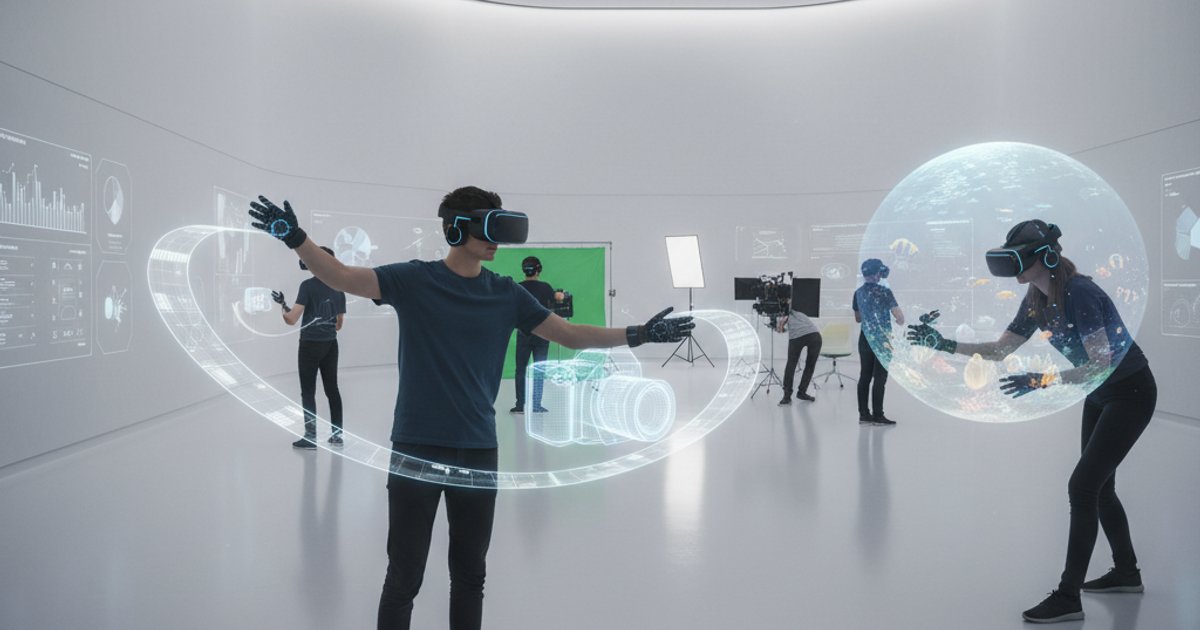
Forget lecture halls. The future classroom for video production will be a virtual soundstage, a mixed-reality editing suite, or a simulated live broadcast control room. Virtual reality (VR) and augmented reality (AR) will become standard pedagogical tools, allowing students to practice complex operations in a safe, repeatable environment. Imagine rehearsing a challenging camera move in VR before ever touching a real camera, or experimenting with lighting setups in a digital twin of a studio.
This experiential learning will extend beyond simulations. Project-based learning, where students work on real-world productions from day one, will become the norm. The line between ‘student project’ and ‘professional work’ will blur, with schools acting more as incubators and production houses. This hands-on approach is crucial because, let’s be honest, you learn to make films by making films.
Continuous Learning and Micro-Credentials
The pace of technological change means a four-year degree, while still valuable for foundational knowledge, won’t be enough for a lifelong career. Video production schools will evolve into hubs for continuous learning, offering micro-credentials, short courses, and specialized workshops that address emerging technologies and trends. This modular approach allows professionals to upskill and reskill throughout their careers, staying relevant in an ever-changing industry. A 2025 report by LinkedIn Learning indicated that creative professionals who regularly engage in upskilling courses are 20% more likely to report career satisfaction and advancement.
I believe this shift is particularly important for Malaysia, where the digital economy is rapidly expanding. Providing accessible, flexible learning pathways will be key to nurturing a robust talent pool that can compete globally.
How Aspiring Professionals Can Prepare for Tomorrow’s Industry
Look — if you’re serious about a career in video production, you need to think beyond just mastering current software. The honest answer is that the tools will change. What won’t change are the core principles of storytelling, visual communication, and effective collaboration. So, how do you prepare for a future that’s constantly in flux?
- Cultivate a Learner’s Mindset: Embrace continuous learning. Follow industry news, experiment with new software, and understand that your education doesn’t end with graduation.
- Master the Fundamentals: Technology is a tool, not the message. Deeply understand composition, lighting, sound, editing theory, and narrative structure. These are timeless.
- Develop Soft Skills: Communication, teamwork, problem-solving, and adaptability are paramount. The ability to articulate your vision and collaborate effectively is often more valuable than technical prowess.
- Build a Diverse Portfolio: Don’t just focus on one type of content. Experiment with short films, documentaries, corporate videos, social media content, and even interactive experiences. Show your versatility.
- Network Relentlessly: Connect with peers, mentors, and industry professionals. Attend workshops, festivals, and online forums. Opportunities often arise from relationships.
- Understand the Business: Learn about budgeting, project management, marketing, and intellectual property. Being a great creative isn’t enough; you need to understand how to sustain yourself in the industry.
The Enduring Value of a Video Production School
Despite the democratization of tools and the abundance of online resources, the value of a dedicated video production school remains significant. It’s not just about access to equipment or software; it’s about structured learning, mentorship from experienced professionals, peer collaboration, and the critical feedback loop that refines your craft. A good school provides a safe space to experiment, fail, and grow, pushing you beyond what you might achieve in isolation.
Moreover, these institutions often serve as vital bridges to the industry, offering internship opportunities, networking events, and career guidance. They help you build not just a portfolio, but a professional identity. The real differentiator, in my experience, is the ability of a school to instill critical thinking and a deep understanding of the ‘why’ behind the ‘how.’ That’s something a YouTube tutorial, however excellent, simply can’t replicate.
Frequently Asked Questions
What is the biggest change in video production education over the last decade?
The biggest change has been the rapid integration of digital technologies and the shift from traditional film-centric curricula to broader digital media programs. This includes a greater emphasis on multi-platform content creation, visual effects, and interactive media, moving beyond just film and television.
Are traditional film schools still relevant today?
Yes, traditional film schools remain relevant, but their curricula have largely evolved to incorporate digital workflows and modern storytelling techniques. They still provide strong foundational knowledge in cinematic arts, but now often blend it with contemporary digital production methods to prepare students for the current industry landscape.
How important is business acumen for video production graduates?
Business acumen is increasingly crucial for video production graduates. With the rise of independent creators and diverse content platforms, understanding budgeting, marketing, intellectual property, and project management is essential for career sustainability and success. Many programs now include entrepreneurship modules.
Will AI replace human roles in video production?
While AI will undoubtedly automate many repetitive and technical tasks in video production, it’s unlikely to fully replace human creativity, storytelling, and nuanced decision-making. Instead, AI will become a powerful tool that professionals use to enhance efficiency and explore new creative possibilities, requiring new skills in AI integration and oversight.
What should I look for in a video production school in Malaysia?
When choosing a video production school in Malaysia, look for a curriculum that balances foundational theory with hands-on practical experience, strong industry links for internships and networking, faculty with current professional experience, and facilities that reflect modern digital production environments. Also, consider the school’s focus on local content creation and cultural relevance.
How has the internet affected video production education?
The internet has profoundly impacted video production education by democratizing access to learning resources, creating new distribution channels for student work, and necessitating the inclusion of digital marketing and online content strategies in curricula. It has also fostered global collaboration and exposed students to diverse forms of visual storytelling.
| Era | Primary Technology | Curriculum Focus | Key Pedagogical Approach |
|---|---|---|---|
| Mid-20th Century (Film Era) | Celluloid film cameras, analog editing (Moviola) | Film theory, cinematography, directing, film development, physical editing | Craft-based, apprenticeship model, hands-on with expensive analog equipment |
| Late 20th Century (Broadcast TV Era) | Video cameras, magnetic tape, linear editing, broadcast switchers | Live production, news gathering, studio operations, basic video editing | Practical, speed-focused, learning broadcast workflows |
| Early 21st Century (Digital Transition) | Early digital video cameras, non-linear editing (NLEs), desktop computers | Digital cinematography, NLE proficiency, basic visual effects, web video | Technology adoption, software mastery, adapting analog principles to digital |
| Present Day (Multi-Platform Digital) | High-resolution digital cameras, advanced NLEs, VFX software, streaming platforms | Storytelling across platforms, motion graphics, sound design, digital marketing, VR/AR basics | Project-based, interdisciplinary, industry-relevant skills, creative problem-solving |
| Future (Immersive & AI-Driven) | Virtual production, AI tools, volumetric capture, real-time rendering, AR/VR headsets | AI-assisted creation, virtual cinematography, interactive narrative, data analytics for content, specialized roles | Experiential, continuous learning, hyper-specialization, ethical AI use, entrepreneurial skills |
Last updated: August 1, 2026
 English
  Chinese