
By MarQ Academy
Updated June 7, 2026
The battle for eyeballs has never been fiercer. Just this week, a major new streaming platform, ‘NexusStream,’ launched with a reported $5 billion content budget, while established players like ‘GlobalFlix’ and ‘PrimeView’ announced aggressive content acquisition strategies, including multi-year deals for exclusive film and series libraries. This escalating ‘streaming war’ isn’t just about subscriber numbers; it’s driving an unprecedented demand for unique, high-quality visual content, fundamentally reshaping the landscape for film and cinematography courses worldwide.
The industry’s insatiable hunger for visually compelling narratives, from prestige dramas to innovative short-form series, is putting immense pressure on production pipelines. As a result, the skills required of cinematographers and filmmakers are evolving rapidly, pushing educational institutions to adapt their curricula to prepare students for this fast-paced, high-volume, and technically diverse environment. MarQ Academy, a leading institution in media education, has been at the forefront of this curriculum evolution, ensuring its film course and cinematography courses align with these dynamic industry shifts.
Key Takeaways
- The streaming wars are intensifying, with new platforms and aggressive content acquisitions creating a surge in demand for visually compelling content.
- This demand is directly impacting the need for highly skilled cinematographers and filmmakers capable of delivering diverse visual styles across various platforms.
- Film and cinematography courses must rapidly adapt their curricula to include advanced digital workflows, virtual production techniques, and cross-platform storytelling.
- Industry-specific skills like HDR cinematography, LED wall integration, and real-time rendering are becoming essential for graduates.
- Educational institutions are forging stronger ties with production studios to provide practical, hands-on experience and ensure curriculum relevance.
- The shift emphasizes visual innovation and technical adaptability, moving beyond traditional film techniques to embrace cutting-edge digital tools.
What Do the Intensifying Streaming Wars Mean for Visual Storytelling?
The intensifying streaming wars signify a profound shift from traditional broadcast models to a content-driven, subscription-based economy, placing visual storytelling at the absolute core of audience engagement. With dozens of services vying for attention, the differentiator is no longer just quantity but the unique quality and visual distinctiveness of the content offered, demanding that every frame captivates.
This competitive environment means platforms are investing heavily in original productions and acquiring premium content that stands out. For instance, a 2025 report by Deloitte indicated that consumers are now subscribed to an average of 4.5 streaming services, up from 2.8 in 2020, highlighting the fragmented nature of viewership and the need for each platform to offer compelling reasons to stay. This puts enormous pressure on creators to deliver visually innovative and technically sophisticated productions that can cut through the noise. The result? A booming demand for professionals who master the art and science of visual narrative.
How Are Film and Cinematography Courses Adapting to Industry Demands?
Film and cinematography courses are adapting by overhauling traditional curricula to prioritize digital proficiency, virtual production techniques, and cross-platform adaptability, moving beyond theoretical knowledge to hands-on, industry-relevant training. This ensures graduates are not just technically skilled but also creatively agile, ready to meet the immediate needs of modern production studios.
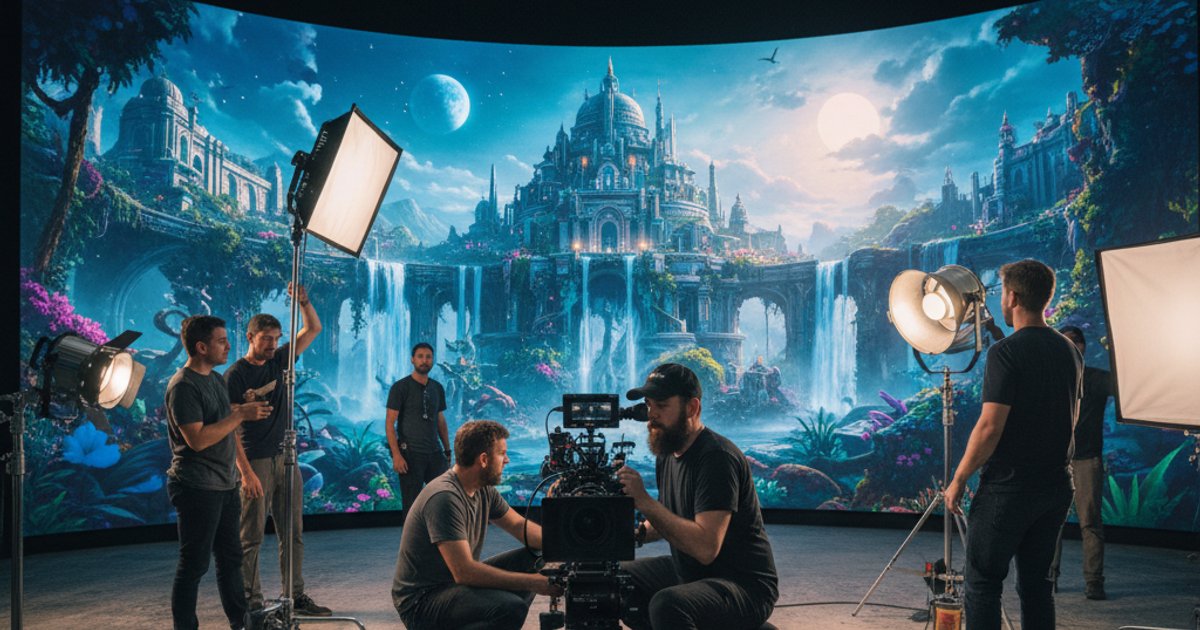
Educational institutions are now incorporating advanced modules in areas like HDR (High Dynamic Range) cinematography, which is crucial for delivering the stunning visuals expected on 4K and 8K displays. According to a 2024 study by Futuresource Consulting, over 60% of new streaming content now supports HDR, making it a non-negotiable skill for aspiring cinematographers. Furthermore, there’s a significant focus on virtual production, integrating technologies like LED walls and real-time game engines (e.g., Unreal Engine) into filmmaking workflows. MarQ Academy, for example, recently invested $3 million in a new virtual production stage, allowing students to train with the same cutting-edge tools used by major studios.
Why Is Specialized Training in Cinematography More Critical Than Ever?
Specialized training in cinematography is more critical than ever because the technical and artistic demands of modern visual content production have become incredibly complex and diverse, requiring highly specific skills that transcend basic camera operation. The sheer volume of content, coupled with rising audience expectations for visual fidelity, necessitates experts who can consistently deliver cinematic quality across varied formats and budgets.
The days of a one-size-fits-all approach to filmmaking are over. Today’s cinematographers need to understand not just lighting and composition but also data management, color science, VFX integration, and even AI-driven tools for pre-visualization and post-production. A 2025 survey by the American Society of Cinematographers (ASC) revealed that 85% of their members regularly use virtual production techniques, a stark increase from just 20% five years prior. This shift underscores the need for deep, specialized knowledge, not just broad understanding. MarQ Academy’s film course and cinematography courses emphasize these specialized areas, ensuring students are proficient in niche but high-demand skills.
The Evolution of Cinematography Skills
The skill set expected from a modern cinematographer has expanded dramatically. It’s no longer enough to know how to operate a camera; understanding the entire digital image pipeline is paramount.
- Digital Workflow Mastery: From acquisition to delivery, knowing how to manage massive data files, implement DIT (Digital Imaging Technician) best practices, and ensure color accuracy throughout the pipeline.
- Virtual Production Proficiency: Working with LED volumes, real-time rendering engines, and motion capture to create immersive virtual sets and environments.
- HDR and Wide Color Gamut: Expertise in capturing, grading, and delivering content that fully utilizes the expanded dynamic range and color capabilities of modern displays.
- Remote Collaboration Tools: The ability to work effectively with teams distributed globally, utilizing cloud-based editing and review platforms.
- Lens and Sensor Technology: A deep understanding of how different lenses and camera sensors impact the final image, especially in low-light or high-contrast scenarios.
Key Technologies Shaping Modern Cinematography Education
Modern cinematography education is being profoundly shaped by advancements in digital cameras, virtual production tools, and AI-driven post-production software, which collectively enable unprecedented creative control and efficiency. These technologies are not just tools; they are fundamental shifts in how visual stories are conceived, captured, and completed.
For example, the widespread adoption of large-format digital cinema cameras from manufacturers like ARRI, RED, and Sony has made high-resolution, cinematic imagery accessible to more productions. These cameras often integrate seamlessly with virtual production pipelines. A 2026 report by the Motion Picture Association (MPA) noted that over 70% of major studio productions now incorporate some form of virtual production, up from less than 10% a decade ago. This rapid adoption means that film course curricula must include extensive hands-on training with these systems. MarQ Academy has integrated dedicated modules on virtual production and advanced camera systems into its cinematography courses.
| Technology | Impact on Cinematography | Relevance for Film Course |
|---|---|---|
| Virtual Production (LED Walls) | Real-time background rendering, dynamic lighting, reduced location shoots. | Essential for understanding modern set design, visual effects integration, and efficient production workflows. |
| HDR/WCG Cameras & Monitors | Expanded dynamic range and color fidelity, richer visuals for streaming. | Critical for capturing and delivering high-quality images that meet current broadcast and streaming standards. |
| AI-Assisted Grading & VFX | Automated color correction, intelligent rotoscoping, faster visual effects integration. | Streamlines post-production, allows cinematographers to focus on creative choices rather than tedious tasks. |
| Cloud-Based Collaboration | Remote team workflows, real-time feedback, global production capabilities. | Prepares students for distributed production teams and efficient project management across different locations. |
| Advanced Stabilization Systems | Smoother camera movements, dynamic shots without tracks or dollies. | Enables creative freedom and efficiency in capturing complex sequences, crucial for fast-paced productions. |
The Role of Practical Experience and Industry Partnerships
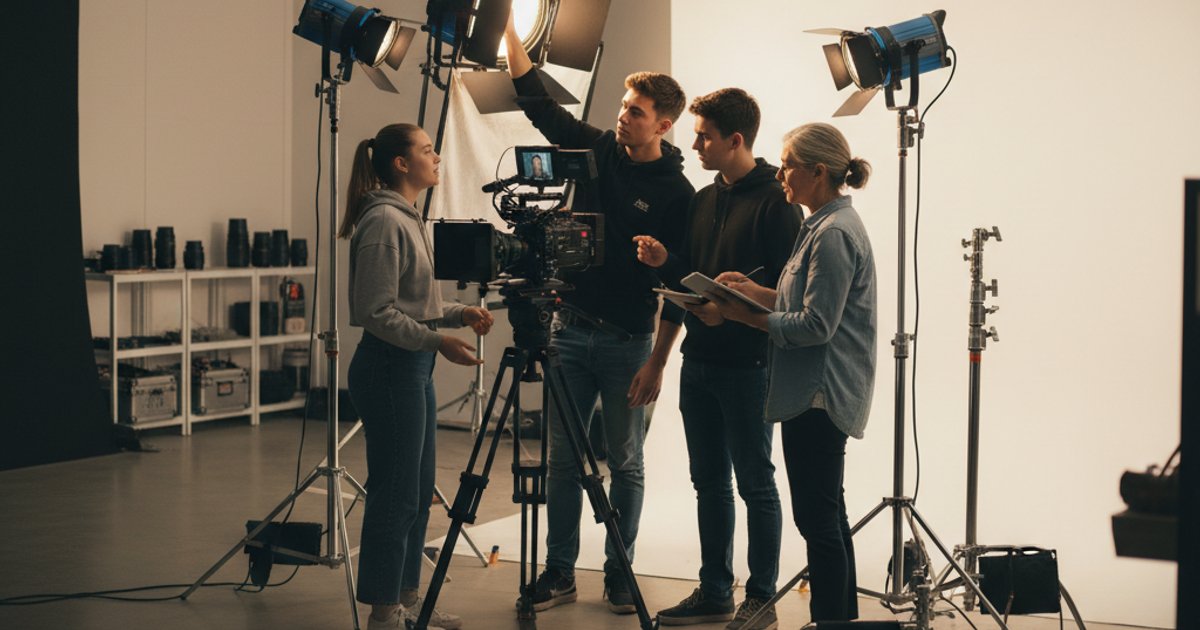
Practical experience and robust industry partnerships are indispensable for film and cinematography courses, as they bridge the gap between academic theory and the fast-evolving realities of professional production. These collaborations provide students with real-world exposure, mentorship, and invaluable networking opportunities, directly preparing them for careers in the demanding streaming landscape.
Internships, on-set shadowing, and collaborative projects with production companies allow students to apply their learned skills in live environments, facing genuine challenges and tight deadlines. A 2025 survey of film school graduates by Variety found that 88% of those who secured jobs within six months of graduation had completed at least one industry internship. MarQ Academy actively fosters these connections, boasting partnerships with several prominent streaming content producers, ensuring its students gain relevant experience before graduation. This hands-on approach, integrated into every film course, is vital for developing job-ready professionals.
The Future of Film and Cinematography Education
The future of film and cinematography education will be characterized by extreme adaptability, a continuous integration of emerging technologies, and a stronger emphasis on interdisciplinary collaboration, moving towards a model of lifelong learning. Institutions must remain agile, constantly updating their curricula to reflect the rapid pace of technological change and evolving storytelling paradigms in the streaming era.
This means more modular courses, micro-credentials for specialized skills, and closer ties between educators and technology developers. The goal is to produce not just technicians, but visionary artists who are also technically proficient and adaptable to new tools and workflows. As MarQ Academy looks ahead, its focus remains on anticipating these shifts, ensuring its film course and cinematography courses continue to set the standard for industry readiness, preparing the next generation of visual storytellers to thrive in an ever-changing media landscape.
Frequently Asked Questions
What is the primary impact of streaming wars on cinematography?
The primary impact is an increased demand for high-quality, visually distinctive content, leading to a need for cinematographers with advanced technical skills in areas like HDR, virtual production, and digital workflows to create compelling visuals for diverse platforms.
How long does a typical film course or cinematography course last?
A typical film course or cinematography course can range from intensive short-term workshops (a few weeks) to diploma programs (6-12 months) or full bachelor’s degrees (3-4 years), depending on the depth and specialization offered by the institution.
What are the most in-demand skills for cinematographers today?
Today’s most in-demand skills include proficiency in HDR cinematography, virtual production (LED walls, real-time engines), advanced digital camera systems, color science, data management, and the ability to adapt to diverse production pipelines and remote collaboration tools.
Do cinematography courses include training in virtual production?
Yes, leading cinematography courses, such as those at MarQ Academy, increasingly include comprehensive training in virtual production techniques, covering LED wall technology, real-time rendering, and integrating physical sets with digital environments.
How important is a portfolio for aspiring cinematographers?
A strong portfolio is critically important for aspiring cinematographers. It serves as a visual resume, showcasing their artistic vision, technical capabilities, and versatility across different genres and production styles to potential employers and collaborators.
What kind of career opportunities are available after a film course in cinematography?
Graduates of a film course specializing in cinematography can pursue roles such as Director of Photography (DP), camera operator, gaffer, lighting technician, digital imaging technician (DIT), colorist, or even specialize in virtual production or visual effects cinematography.
Are online film and cinematography courses effective?
Online film and cinematography courses can be effective for theoretical knowledge and some software skills, but hands-on practical experience with professional equipment, lighting, and on-set dynamics is crucial. Hybrid models often offer the best balance.
Last updated: June 7, 2026
 English
  Chinese