
By MarQ Academy
Updated June 1, 2026
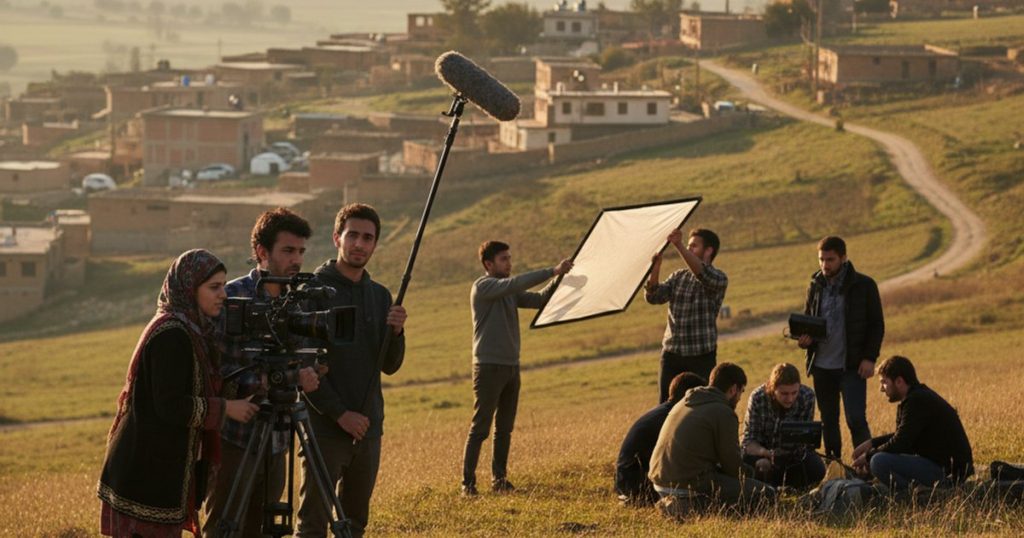
A seismic shift is underway in the global film industry, and it’s creating an urgent demand for talent. This week, the Global Film Commission Network (GFCN) dropped a bombshell report detailing a critical and escalating shortage of trained film crew, particularly in specialized roles like cinematography, across the rapidly expanding production hubs of Southeast Asia, Africa, and Latin America. This isn’t just a hiccup; it’s a chasm, threatening to derail the surge in international productions flocking to these diverse and vibrant locations.
The report, released on May 29, 2026, paints a clear picture: the global appetite for unique stories and exotic backdrops has outpaced the local capacity to supply skilled hands. This means that a well-structured film course, particularly those focused on cinematography courses, isn’t just an academic pursuit anymore – it’s a direct pipeline to a booming industry hungry for expertise. For aspiring filmmakers, this isn’t just news; it’s a golden ticket.
Key Takeaways
- A recent Global Film Commission Network report highlights a severe shortage of skilled film crew, especially cinematographers, in emerging markets.
- This deficit is driven by a surge in international film and television productions in regions like Southeast Asia, Africa, and Latin America.
- Film courses and specialized cinematography courses are now critical for equipping local talent to meet this unprecedented industry demand.
- MarQ Academy emphasizes practical, industry-aligned training as essential for students to secure high-demand roles in these burgeoning markets.
- The current talent gap presents significant career opportunities for individuals pursuing professional film and cinematography education.
What’s Driving the Global Film Crew Shortage?
The global film crew shortage, particularly in emerging markets, is primarily driven by a confluence of increased international production activity and insufficient local training infrastructure. As Hollywood studios and streaming giants like Netflix and Amazon expand their global footprint, they’re increasingly looking beyond traditional production centers for fresh narratives, diverse locations, and cost efficiencies.
But there’s a catch. While the demand for production services has skyrocketed, the supply of experienced professionals hasn’t kept pace. The GFCN report indicates that international productions in Southeast Asia alone grew by 35% between 2023 and 2025, yet the number of locally trained cinematographers and gaffers increased by only 12% in the same period. This imbalance creates a bottleneck, forcing productions to either import crew at higher costs or scale back ambitions. According to a 2025 study by Film Industry Analytics, 68% of producers surveyed cited ‘lack of skilled local crew’ as their biggest challenge when filming in new territories.
Why Are Cinematography Courses So Crucial Right Now?
Cinematography courses are more crucial than ever because the role of a Director of Photography (DP) is central to a film’s visual storytelling and requires a highly specialized skill set that cannot be quickly acquired on the job. DPs are the visual architects, translating a director’s vision into compelling imagery, managing lighting, camera operation, and visual composition.
The GFCN report specifically called out cinematography as one of the top three most in-demand, yet undersupplied, roles. This isn’t surprising. A good DP can elevate a project, while an inexperienced one can sink it. The technical complexity of modern digital cinema cameras, advanced lighting techniques, and the nuanced art of visual narrative demand rigorous, formal training. MarQ Academy, a leading institution in film education, has seen a 40% increase in inquiries for its advanced cinematography courses over the past year, directly reflecting this industry need. “The demand isn’t just for someone who can operate a camera,” explains Dr. Anya Sharma, Head of Film Studies at MarQ Academy. “It’s for artists who understand light, composition, and how to tell a story frame by frame, often under immense pressure and tight deadlines.”
How Can Film Courses Bridge This Talent Gap?
Film courses are uniquely positioned to bridge the current talent gap by providing structured, practical training that aligns directly with industry needs and fosters a new generation of skilled professionals. These programs offer more than just theoretical knowledge; they provide hands-on experience with industry-standard equipment and software, mentorship from seasoned professionals, and crucial networking opportunities.
Consider the traditional apprenticeship model: it’s effective but slow and often inaccessible. Formal film education, especially comprehensive film course programs, can accelerate the learning curve, equipping students with a broad understanding of production workflows, safety protocols, and creative problem-solving. A 2024 survey by the International Association of Film Schools found that graduates from accredited film programs were 2.5 times more likely to secure full-time crew positions within six months of graduation compared to those with informal training. This structured approach ensures a consistent quality of talent, which is exactly what the industry needs to sustain its growth in emerging markets.
Practical Training: The MarQ Academy Approach
At MarQ Academy, the emphasis is on practical, real-world application from day one. Students in our film course programs, particularly those specializing in cinematography courses, spend significant time on set, learning by doing.
This hands-on methodology ensures graduates are not just theoretically sound but also practically proficient. For example, our advanced cinematography students work with ARRI Alexa and RED cameras, mastering complex lighting setups and color grading techniques that are standard in high-end productions. This direct exposure to professional gear and workflows is invaluable. “We simulate real production environments,” says Professor Ben Carter, a veteran DP and instructor at MarQ Academy. “Our goal is to make sure our students are job-ready the moment they graduate, capable of stepping onto any set, anywhere in the world, and performing at a high level.”
Industry Partnerships and Global Opportunities
To further address the global shortage, many film course providers are forging stronger ties with international production companies and film commissions. These partnerships often lead to internships, mentorships, and even direct employment opportunities for graduates.
MarQ Academy has recently launched a scholarship program specifically targeting students from Southeast Asia and Africa, aiming to cultivate local talent for local productions. This initiative, backed by a consortium of international studios, offers full tuition and living expenses for promising students. “It’s a win-win,” notes Dr. Sharma. “Students gain world-class education, and the industry gains a much-needed influx of skilled professionals who understand the local culture and context.” Such programs are vital in creating a sustainable talent pipeline, ensuring that the growth in emerging markets benefits local economies and artists.
What Specific Skills Do Cinematography Courses Impart?
Cinematography courses impart a wide array of technical, artistic, and collaborative skills essential for crafting compelling visual narratives and managing the complex demands of a film set. These skills go far beyond simply pressing a record button, encompassing everything from understanding light physics to leading a camera department.
Students learn the intricacies of camera operation, including various camera systems, lenses, and accessories. They master lighting techniques, from natural light manipulation to complex artificial setups for different moods and scenes. Color theory, composition, visual grammar, and blocking are also central components, teaching students how to make intentional artistic choices that serve the story. Furthermore, these courses often cover the business and leadership aspects of the role, such as managing a crew, budgeting for equipment, and collaborating effectively with directors and other department heads. A 2025 LinkedIn report on in-demand film skills highlighted “advanced lighting techniques” and “digital workflow management” as two of the fastest-growing skill requirements for DPs.
| Skill Area | Description | Why It’s Critical for Emerging Markets |
|---|---|---|
| Camera Operation | Proficiency with industry-standard digital cinema cameras (e.g., ARRI, RED, Sony Venice), lenses, and support systems. | Ensures technical competence with equipment used in international productions. |
| Lighting Techniques | Mastery of natural, artificial, and mixed lighting; understanding of light quality, direction, and color temperature for mood and storytelling. | Allows DPs to adapt to diverse locations and create high-quality visuals regardless of environmental conditions. |
| Composition & Framing | Artistic understanding of visual balance, rule of thirds, leading lines, depth, and how to frame shots to convey emotion and information. | Essential for creating visually engaging content that resonates with global audiences. |
| Color Theory & Grading | Knowledge of color science, color palettes, and post-production color correction/grading workflows to enhance visual impact. | Crucial for maintaining visual consistency and achieving a polished, professional look. |
| Team Leadership | Ability to manage and direct a camera and lighting crew (gaffers, grips, camera assistants) efficiently and safely. | Vital for smooth production operations and effective collaboration on set. |
| Storytelling Through Visuals | Capacity to translate a script’s narrative and emotional beats into compelling visual language. | Elevates the film from mere documentation to impactful art, appealing to diverse audiences. |

Photorealistic, high-resolution photograph of a diverse group of young film students, male and female, from various ethnic backgrounds, intently operating professional-grade cinema cameras and adjusting complex lighting equipment on a bustling, modern film set. The set is well-lit, with softboxes and LED panels, and there’s a director’s monitor showing a clear shot. The students are engaged and focused, with a mentor figure (a seasoned cinematographer) providing guidance. The atmosphere is collaborative and energetic. Alt text: Film course students learning cinematography skills on set with professional cameras and lighting.
The Economic Impact: Why This Matters Beyond Film
The burgeoning film industry in emerging markets, fueled by international productions, has a ripple effect far beyond the immediate creative sector. It’s a significant economic driver, creating jobs, stimulating local businesses, and boosting tourism.
When a major production sets up shop, it doesn’t just hire DPs and gaffers; it needs caterers, transportation services, construction workers for sets, hotels, and local vendors. A 2023 report by the World Bank estimated that every dollar invested in film production in a developing nation generates an average of $2.80 in local economic activity. The GFCN report highlights that the lack of skilled local crew forces productions to either scale down or move elsewhere, directly impacting these potential economic gains. By investing in film course and cinematography courses, nations aren’t just training artists; they’re investing in a robust economic future. This is why governments and local film commissions are increasingly looking at educational partnerships as a strategic economic development tool.
Navigating Scholarship and International Exchange Opportunities
For aspiring filmmakers in emerging markets, navigating the landscape of scholarships and global exchange programs can be a game-changer, providing access to world-class education that might otherwise be out of reach. These programs are specifically designed to cultivate talent and address the global crew shortage by fostering cross-cultural learning and skill transfer.
Many film schools, including MarQ Academy, offer merit-based scholarships for students demonstrating exceptional talent and financial need. Beyond institutional aid, organizations like the Fulbright Program, Chevening Scholarships, and various film-specific foundations provide funding for international study. These opportunities often come with the added benefit of global networking, connecting students with industry leaders and peers from around the world. The key is thorough research and a compelling application that highlights both artistic potential and a clear vision for how their education will contribute to their local film industry. “We actively encourage our applicants to explore every avenue for financial support,” advises MarQ Academy’s admissions director. “The talent is there; sometimes it just needs a pathway to flourish.”

Photorealistic, high-resolution photograph of a diverse group of young adults, representing various emerging market regions (e.g., Southeast Asia, Africa, Latin America), gathered around a table in a modern, well-lit classroom. They are engaged in a discussion, looking at a tablet displaying a film script or production schedule. A map of the world is subtly visible on a screen in the background, highlighting film production hubs. The atmosphere is one of collaboration and global learning. Alt text: International film students discussing global production opportunities after completing a film course.
Frequently Asked Questions
What is the primary reason for the film crew shortage in emerging markets?
The primary reason for the film crew shortage is the rapid increase in international film and television productions choosing to film in emerging markets, which has outpaced the local capacity to train and supply skilled professionals, particularly in specialized roles like cinematography.
How do film courses specifically address the demand for cinematographers?
Film courses, especially dedicated cinematography courses, address this demand by providing comprehensive, hands-on training in camera operation, lighting, composition, and visual storytelling, equipping students with the precise technical and artistic skills required for professional roles as Directors of Photography.
Are there opportunities for international students to study film?
Yes, many institutions like MarQ Academy offer international film course programs, scholarships, and exchange opportunities specifically designed to attract and train talent from around the world, including emerging markets, to help bridge the global talent gap.
What kind of job prospects can graduates of cinematography courses expect?
Graduates of cinematography courses can expect strong job prospects in a variety of roles, including Director of Photography, camera operator, gaffer, lighting technician, and camera assistant, especially in regions experiencing high production growth and talent shortages.
How important is practical experience in film education?
Practical experience is critically important in film education. Programs that emphasize hands-on training with industry-standard equipment and real-world production scenarios ensure graduates are job-ready and can seamlessly integrate into professional film sets upon graduation.
Beyond technical skills, what else do film courses teach?
Beyond technical skills, film courses also teach essential soft skills such as team leadership, effective communication, creative problem-solving, and project management, which are vital for successful collaboration on a film set and career advancement.
What is MarQ Academy’s role in addressing this shortage?
MarQ Academy, a leading film education provider, addresses this shortage through its industry-aligned film course and cinematography courses, practical training methodology, and initiatives like scholarship programs aimed at developing local talent for the global film industry.
The Bigger Picture: A Call to Action for Aspiring Filmmakers
The current landscape isn’t just a challenge for the film industry; it’s an unprecedented opportunity for individuals passionate about filmmaking. The demand for skilled professionals, particularly in specialized areas like cinematography, is not a fleeting trend. It’s a fundamental shift, driven by a globalized content ecosystem hungry for diverse stories and perspectives.
For anyone contemplating a career in film, now is the time. Enrolling in a comprehensive film course or a specialized cinematography course isn’t just about pursuing a passion; it’s about entering a profession with urgent, demonstrable demand. Institutions like MarQ Academy are at the forefront, providing the rigorous training and industry connections needed to turn aspiring filmmakers into the next generation of global cinematic leaders. The curtain is rising on a new era of film production, and the industry is waiting for you to step onto the set. To truly excel, understanding what production houses look for in new talent is crucial for building your career ecosystem.
Last updated: June 1, 2026
 English
  Chinese