
By MarQ Academy
Updated June 14, 2026
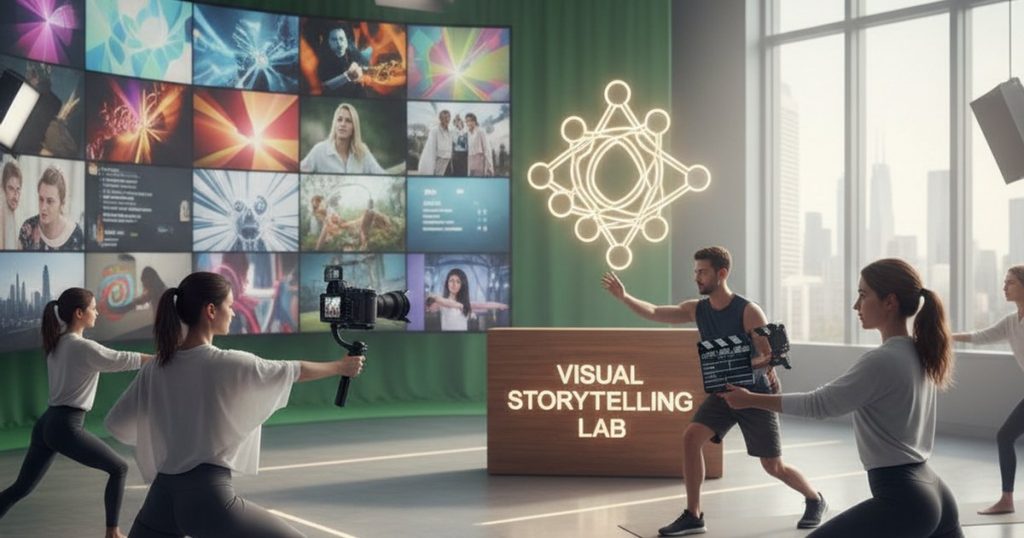
The screen has shattered. What was once confined to cinemas and television sets now floods every pocket, every desk, every public space. Understanding and creating compelling visual stories in this fragmented, multi-platform landscape is no longer a niche skill for Hollywood; it’s a fundamental requirement for effective communication. Modern film course and cinematography courses are not just training the next generation of directors and cinematographers; they are cultivating ‘visual literacy,’ an indispensable skill for anyone navigating or shaping the visual world.
Key Takeaways
- Modern film and cinematography courses emphasize ‘visual literacy,’ the ability to interpret and create compelling visual narratives across diverse platforms.
- These programs extend beyond traditional cinema, preparing students for roles in social media, interactive media, advertising, and data visualization.
- Core principles like composition, lighting, and storytelling remain crucial, but are now applied to new formats and audience engagement models.
- Hands-on experience with industry-standard equipment and software is essential for developing practical skills.
- A strong portfolio showcasing diverse visual projects is critical for career success in the visually-driven economy.
- The demand for visually literate professionals is projected to grow, with visual content consumption increasing across all sectors.
What is Visual Literacy and Why Does it Matter in Film and Cinematography Courses?
Visual literacy is the ability to interpret, negotiate, and make meaning from information presented in the form of an image. In the context of film and cinematography courses, it means students learn not only how to capture images but also how to understand their inherent messages, manipulate them for specific emotional or narrative impact, and deploy them effectively across a spectrum of media, from feature films to Instagram stories.
This skill extends far beyond simply identifying objects in a frame. It involves a deep comprehension of visual grammar: how color evokes mood, how composition directs attention, how light shapes perception, and how editing dictates rhythm and meaning. For instance, a 2023 study by the Visual Communication Institute found that content optimized for visual storytelling saw a 65% increase in audience engagement compared to text-only formats. This underscores why film course and cinematography training must prioritize this foundational understanding.
The Evolution of Visual Storytelling
Historically, foundational film courses curricula focused almost exclusively on the demands of the silver screen. Directors, cinematographers, and editors were trained to create narratives for a singular, large-format viewing experience. The advent of digital media, however, profoundly reshaped this landscape.
Today, a single story might unfold across a cinematic trailer, a series of short-form social media clips, an interactive web experience, and a virtual reality component. Each platform demands a nuanced understanding of its unique visual language and audience expectations. MarQ Academy, for example, structures its cinematography courses to include modules on short-form content creation and immersive media, acknowledging this multi-platform reality.
How Do Film and Cinematography Courses Cultivate Visual Literacy?
Film and cinematography courses cultivate visual literacy through a blend of theoretical instruction, practical application, and critical analysis. Students engage with the fundamental elements of visual design, learn to operate sophisticated equipment, and develop a critical eye for both their own work and the work of others, ensuring they can both create and deconstruct visual information.
The process begins with deconstruction. Students analyze classic films, commercials, and even viral videos, breaking down shots, lighting setups, and editing choices to understand their psychological and narrative effects. This analytical foundation then informs their creative output. For instance, understanding how a low-angle shot can convey power in a feature film translates directly to how a brand might use similar framing in a 30-second advertisement to empower its product.
Core Components of Visual Literacy Training
- Composition and Framing: Learning the rule of thirds, leading lines, negative space, and how to frame a subject to convey specific emotions or information. This applies equally to a cinematic close-up and a product shot for e-commerce.
- Lighting Techniques: Mastering natural and artificial light to sculpt faces, create atmosphere, and guide the viewer’s eye. A well-lit interview for a documentary shares principles with a well-lit corporate headshot.
- Color Theory: Understanding the psychological impact of color and how to use palettes to establish mood, differentiate characters, and enhance narrative themes. The vibrant hues of a music video are as intentional as the muted tones of a dramatic film.
- Editing and Pacing: Learning how the rhythm and sequence of images shape meaning and emotional response. A fast-paced montage for a social media campaign utilizes similar principles as a dramatic action sequence.
- Sound Design: While often overlooked in purely ‘visual’ discussions, sound profoundly influences visual perception. Courses teach how soundscapes enhance visual storytelling, from ambient noise in a documentary to a punchy sound effect in a TikTok video.
- Storytelling Fundamentals: Grasping narrative structures, character development, and theme communication through visual means. This is the backbone of all compelling content, regardless of its final platform.
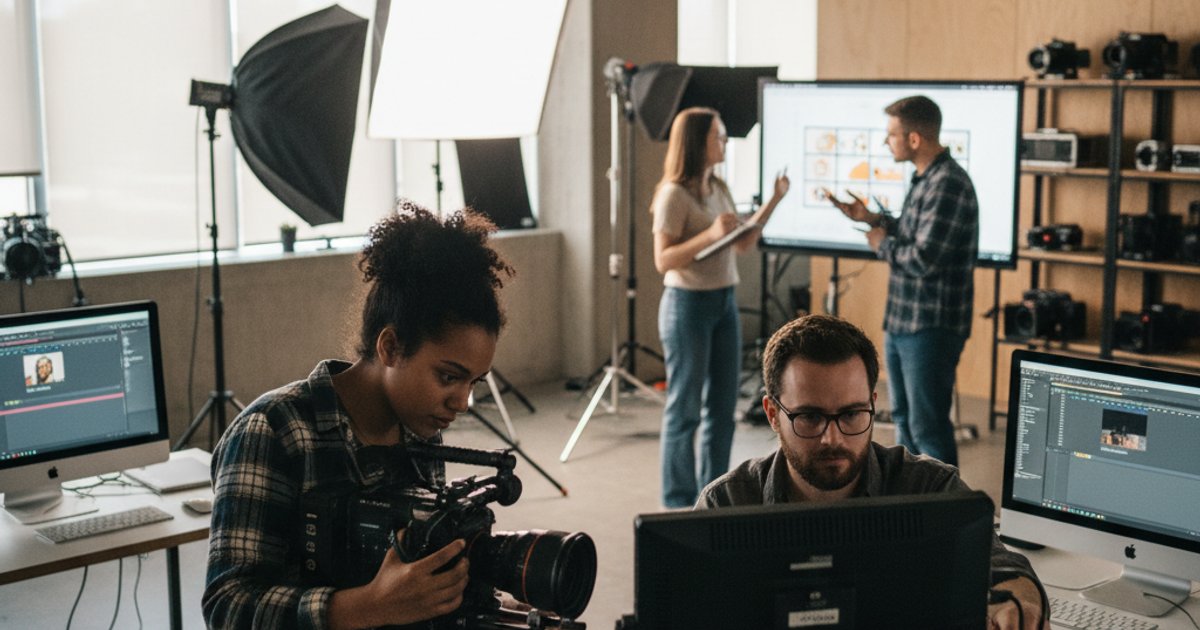
A 2024 survey by the American Film Institute found that graduates from programs emphasizing visual literacy reported a 25% higher placement rate in non-traditional media roles within their first year post-graduation. This data point highlights the tangible career benefits of this expanded educational approach.
Why Should You Consider a Film Course or Cinematography Course in a Multi-Platform World?
You should consider a film course or cinematography course because they provide a unique, structured pathway to developing visual literacy, a skill increasingly vital across numerous industries beyond traditional filmmaking. These programs offer hands-on experience, expert mentorship, and a critical framework for understanding and creating impactful visual content for any screen, large or small.
The demand for skilled visual communicators is exploding. Consider the sheer volume of visual content consumed daily: Statista reported that global online video consumption reached 2.2 billion hours per day in 2025, a 300% increase over the past five years. Businesses, non-profits, educators, and even individuals are all vying for attention in this visually saturated environment. A film course or cinematography course equips you with the tools to cut through the noise.
Career Paths Beyond Hollywood
While traditional roles in film and television remain viable, the ‘multi-platform world’ opens up a vast array of new opportunities for those with strong visual literacy:
- Social Media Content Creator: Crafting engaging short-form videos, animated graphics, and visually compelling posts for brands and influencers.
- Digital Marketing Specialist: Designing visual campaigns for online advertising, email marketing, and website content.
- Interactive Media Designer: Developing visual assets and experiences for video games, virtual reality (VR), and augmented reality (AR) applications.
- Data Visualization Expert: Translating complex data sets into clear, compelling visual narratives through infographics, animated charts, and interactive dashboards.
- Corporate Videographer/Photographer: Producing internal communications, training videos, and promotional material for businesses.
- Journalist/Documentarian: Creating visual news stories, short documentaries, and multimedia reports for online news outlets.
These roles often require a blend of technical skill, creative vision, and an understanding of audience psychology – all core tenets of a robust film course curriculum.
Comparison: Traditional vs. Modern Film/Cinematography Education
| Feature | Traditional Film/Cinematography Course | Modern Film/Cinematography Course (Visual Literacy Focused) |
|---|---|---|
| Primary Focus | Feature films, television series | Feature films, social media, interactive media, VR/AR, advertising, data viz |
| Key Skills Emphasized | Camera operation, lighting for cinema, narrative structure, editing for broadcast | Multi-platform content creation, audience engagement, visual psychology, transmedia storytelling, data visualization |
| Equipment Training | High-end cinema cameras, studio lighting rigs | Cinema cameras, DSLRs/mirrorless, mobile devices, VR/AR capture, drones |
| Software Proficiency | Avid Media Composer, DaVinci Resolve, Adobe Premiere Pro | Adobe Creative Suite (Premiere, After Effects, Photoshop), Blender, Unity/Unreal Engine, Figma, various social media editing tools |
| Portfolio Expectations | Short films, documentaries, commercials | Short films, social media campaigns, interactive prototypes, data visualizations, VR experiences |
| Career Outlook | Primarily film/TV industry roles | Broad range of roles across media, tech, marketing, education, and entertainment |
Choosing the Right Film Course or Cinematography Course
Selecting the appropriate film course or cinematography course requires careful consideration of its curriculum, faculty expertise, available equipment, and career support services. Look for programs that explicitly address visual literacy and multi-platform content creation, not just traditional filmmaking techniques, to ensure your education remains relevant in a rapidly evolving visual landscape.
Start by researching institutions that have a strong track record of adapting their programs to industry changes. A good indicator is the presence of faculty who are actively working in diverse visual fields, from documentary filmmaking to interactive advertising. For example, a 2025 report by the National Association of Broadcasters found that institutions integrating VR/AR into their media programs saw a 15% increase in student enrollment.
Key Factors to Evaluate
- Curriculum Breadth: Does the program cover traditional filmmaking alongside new media formats like social video, interactive experiences, and even data visualization? Look for specific modules or specializations.
- Faculty Expertise: Are instructors working professionals with experience across various visual industries, not just feature film? Their real-world insights are invaluable.
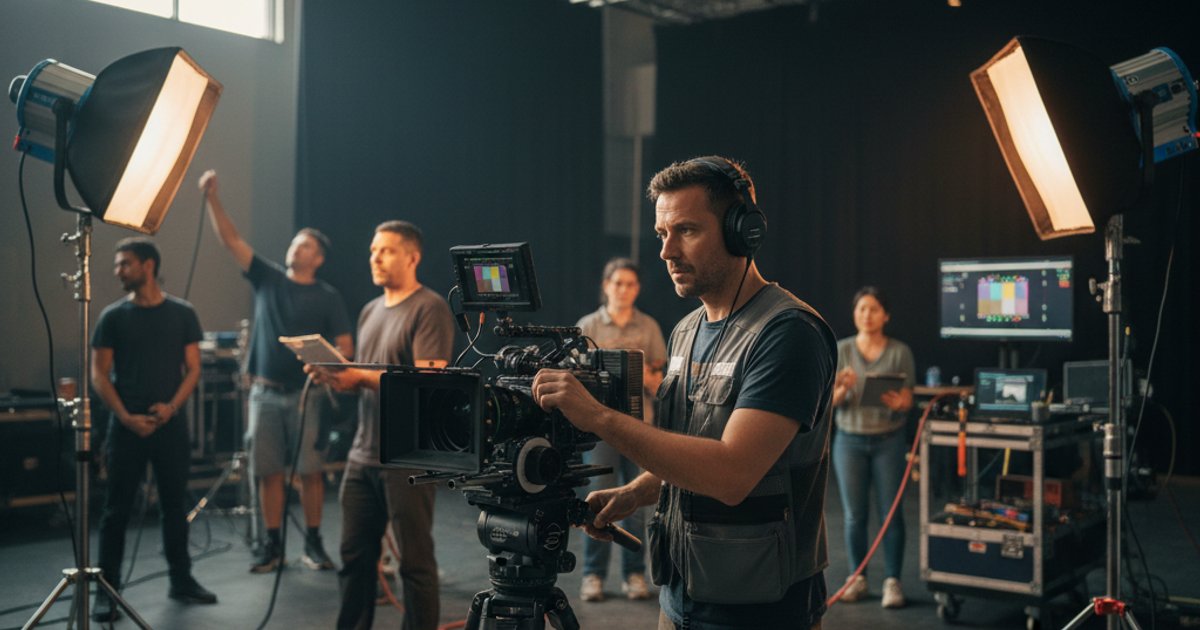
- Equipment and Facilities: Does the institution offer access to industry-standard cameras (cinema and mirrorless), lighting kits, sound recording gear, and post-production suites with up-to-date software? MarQ Academy prides itself on providing students with access to cutting-edge equipment, ensuring practical readiness.
- Hands-on Experience: How much practical project work is integrated into the curriculum? The best way to learn visual storytelling is by doing it, repeatedly.
- Portfolio Development: Does the program guide students in building a diverse portfolio that showcases their visual literacy across different platforms? This is crucial for job applications.
- Industry Connections and Internships: Does the school have strong ties to production companies, marketing agencies, tech firms, or other relevant industries that can provide internship opportunities and networking?
- Alumni Success: Where are graduates working? Do they hold diverse roles in various visual industries, or are they primarily confined to traditional film sets?
Ultimately, the best film course or cinematography course will empower you to think critically about images, to understand their power, and to wield that power effectively, no matter the screen or the story. This foundation of visual literacy ensures that your skills remain valuable and adaptable, future-proofing your career in an increasingly visual world. For instance, many programs aim to help students develop a director’s eye, which is crucial for leadership roles. Furthermore, understanding ethical leadership and global visual literacy is becoming paramount in today’s interconnected world.
Frequently Asked Questions
What is the difference between a film course and a cinematography course?
A film course typically offers a broader curriculum covering all aspects of filmmaking, including directing, producing, screenwriting, editing, and cinematography. A cinematography course, conversely, specializes in the art and science of visual capture, focusing intensely on camera operation, lighting, composition, and visual storytelling through the lens.
Do I need prior experience to enroll in a film or cinematography course?
Many introductory film course and cinematography courses do not require prior experience, welcoming beginners with a passion for visual storytelling. More advanced programs or master’s degrees, however, may require a portfolio or relevant undergraduate degree.
How long does it take to complete a film or cinematography program?
Program durations vary widely: certificate programs might last a few months, associate’s degrees typically take two years, and bachelor’s degrees usually require four years of study. Master’s programs often range from one to three years.
What kind of equipment will I learn to use in a cinematography course?
You will typically learn to use a range of equipment including professional cinema cameras (e.g., ARRI, RED), DSLR and mirrorless cameras, various lenses, lighting kits (LEDs, HMI, tungsten), grip equipment, sound recording gear, and industry-standard editing software like Adobe Premiere Pro, DaVinci Resolve, and After Effects.
Can I pursue a career outside of traditional movies with a film course degree?
Absolutely. A film course degree, especially one focused on visual literacy, opens doors to diverse careers in social media content creation, digital marketing, interactive media design (VR/AR), corporate video production, data visualization, and multimedia journalism, among others. The skills are highly transferable across industries.
How important is a portfolio for film and cinematography graduates?
A strong, diverse portfolio is critical for film and cinematography graduates. It serves as tangible proof of your skills, creative vision, and understanding of visual storytelling across different platforms. Employers often prioritize a compelling portfolio over academic transcripts alone.
Are online film and cinematography courses effective?
Online film course and cinematography courses can be effective, particularly for theoretical components and software training. However, hands-on experience with equipment and collaborative projects are crucial, so look for online programs that integrate practical assignments, virtual labs, or in-person workshops to ensure comprehensive skill development.
Last updated: June 14, 2026
 English
  Chinese