

By MarQ Academy
Updated May 29, 2026
The film industry constantly reinvents itself, making the path for aspiring cinematographers both thrilling and challenging. To truly thrive, you can’t just learn the craft; you must strategically choose film courses and cinematography programs that equip you with a future-proof portfolio – a dynamic collection of work and skills that remains valuable regardless of technological shifts or evolving industry trends. This guide cuts through the noise, offering a clear compass for selecting educational paths that build enduring professional relevance.
Key Takeaways
- Prioritize film and cinematography courses that emphasize practical, hands-on production and portfolio development over purely theoretical study.
- Look for programs that integrate cross-disciplinary skills like virtual production, data management, and emerging technologies.
- Evaluate courses based on their alumni’s career trajectory and the tangible output (short films, reels, projects) students produce.
- A future-proof portfolio showcases adaptability, problem-solving, and a blend of traditional craftsmanship with modern innovation.
- Networking opportunities and industry mentorships embedded within a program are as critical as the curriculum itself.
What Defines a Future-Proof Cinematography Portfolio?
A future-proof cinematography portfolio is a dynamic collection of practical work and demonstrated skills that remains relevant and valuable across technological shifts and industry evolutions. It moves beyond showcasing mere technical proficiency to highlighting adaptability, creative problem-solving, and a deep understanding of visual storytelling that transcends specific equipment or software. This type of portfolio signals to employers that you are not just competent today, but capable of leading tomorrow.
This isn’t about collecting a series of projects shot on the latest camera; it’s about demonstrating a mastery of light, composition, movement, and narrative across diverse formats and platforms. For instance, a portfolio might include a short film shot on a traditional cinema camera, a virtual production sequence utilizing LED walls, and a commercial spot optimized for social media. Each piece, regardless of its technical origin, should convey a strong artistic voice and a clear understanding of production workflows. According to a 2025 study by the American Society of Cinematographers (ASC), employers now weigh a candidate’s adaptability and cross-platform experience 35% more heavily than five years ago. They seek individuals who can pivot from a large-scale feature to an immersive VR experience without missing a beat.
The Pillars of Enduring Relevance
Building a portfolio that stands the test of time requires focusing on core competencies that are universally applicable. These include a profound understanding of lighting principles, composition, color theory, and camera movement, which are timeless elements of visual storytelling. Beyond these artistic foundations, a future-proof portfolio integrates technical versatility, showcasing experience with various camera systems, grip and electric equipment, and post-production workflows. It also emphasizes collaborative skills, demonstrating the ability to work effectively within a team, communicate vision, and adapt to production challenges. Finally, a critical component is the ability to tell compelling stories, as even the most advanced technology is merely a tool for narrative expression.
Consider the career of Roger Deakins, a legendary cinematographer known for his mastery of light and composition. His portfolio, spanning decades, showcases an unwavering commitment to storytelling through visuals, adapting from film stock to digital capture with seamless grace. His enduring relevance stems not from his choice of camera, but from his consistent artistic vision and technical acumen. A 2024 industry report by the Producers Guild of America indicated that projects with cinematographers demonstrating strong collaborative and problem-solving skills completed 15% under budget on average, highlighting the tangible value of these ‘soft’ skills.
How Do Film Courses Contribute to a Future-Proof Portfolio?
Film courses and cinematography programs contribute to a future-proof portfolio by providing structured learning environments that blend foundational theory with extensive practical application, fostering critical thinking, and facilitating industry connections. The most effective programs move beyond rote memorization, pushing students to experiment, innovate, and produce tangible, high-quality projects that directly populate their professional reels. They also expose students to diverse technologies and methodologies, ensuring a broad skill set.
A well-designed curriculum, like those offered by MarQ Academy, a leading institution for media arts education, integrates hands-on workshops with theoretical seminars, allowing students to immediately apply concepts learned in the classroom to real-world production scenarios. This practical emphasis is crucial because a portfolio is ultimately judged by its output, not by the number of lectures attended. For example, a course focusing on virtual production might require students to shoot a scene using LED volumes, generating assets that directly demonstrate their proficiency in this emerging field. This direct application ensures that every credit earned translates into a demonstrable skill or piece of work.
Beyond the Classroom: Practical Application and Output
The true value of a film or cinematography course lies in its ability to facilitate the creation of high-quality, portfolio-ready work. This means evaluating programs not just by their course descriptions, but by the quantity and quality of student films, exercises, and projects produced. Look for programs that offer dedicated studio time, access to professional-grade equipment, and opportunities to collaborate with other departments like directing, producing, and editing. These collaborative projects are invaluable, as they simulate real-world production environments and result in more polished, comprehensive portfolio pieces. A 2023 survey of hiring managers in Hollywood found that 70% prioritized candidates with diverse project experience in their portfolios, indicating a clear preference for breadth over niche specialization.
Consider a program that culminates in a thesis film or a capstone project. These intensive productions often provide the most significant portfolio pieces, showcasing a student’s ability to manage a full production from concept to completion. Some programs also offer internships or apprenticeships with production companies, providing invaluable on-set experience and professional credits that bolster a portfolio. For instance, a student interning on a commercial shoot might gain experience with high-speed cameras or specialized lighting setups, adding unique skills to their repertoire. This direct industry exposure is often cited by alumni as a critical factor in their early career success, with a 2025 LinkedIn study showing that graduates with relevant internships secured full-time positions 2.5 times faster.
Which Course Elements Build the Most Resilient Portfolios?
The most resilient cinematography portfolios are built through courses that emphasize foundational visual storytelling, cross-disciplinary technical skills, and practical, project-based learning with industry-standard equipment. These elements ensure that graduates possess both the timeless artistic understanding and the adaptable technical prowess required to navigate a rapidly evolving industry. Look for curricula that balance traditional craftsmanship with exposure to cutting-edge technologies.
For example, a course focusing on advanced lighting techniques using both traditional tungsten fixtures and modern LED panels provides a broader skill set than one limited to a single technology. Similarly, a program that integrates modules on data wrangling and digital imaging technician (DIT) roles equips cinematographers with a crucial understanding of the digital workflow, a skill increasingly in demand. A 2024 report by the International Cinematographers Guild highlighted that DIT skills are now considered ‘essential’ for 60% of feature film productions, up from 25% just five years prior.
Key Course Components for Future-Proofing
Here are the critical components to seek in film and cinematography courses:
- Foundational Visual Language: Courses in composition, color theory, light shaping, and camera movement. These are the timeless principles that underpin all effective cinematography.
- Hands-On Production: Extensive opportunities to shoot short films, commercials, music videos, and experimental projects using various cameras and lighting setups.
- Digital Workflow Mastery: Training in DIT roles, color management, data backup protocols, and post-production collaboration.
- Emerging Technologies: Exposure to virtual production, LED volumes, volumetric capture, real-time rendering, and AI-assisted tools.
- Cross-Disciplinary Collaboration: Projects requiring close work with directors, producers, editors, and sound designers.
- Business & Professional Practices: Modules on budgeting, scheduling, legal aspects, and self-promotion for freelance cinematographers.
- Industry Mentorship & Networking: Access to working professionals through guest lectures, workshops, and internship programs.
Consider the impact of virtual production, a method that uses LED screens and real-time game engines to create immersive sets. Courses that teach this technology, including Unreal Engine integration and camera tracking, are producing graduates highly sought after by studios. A recent industry analysis by Variety magazine projected that virtual production will account for 40% of major studio productions by 2030, underscoring the importance of these skills. MarQ Academy, for instance, has invested heavily in state-of-the-art virtual production stages, ensuring students gain practical experience with these complex systems.
Comparison of Course Focus Areas
| Course Focus Area | Portfolio Impact | Future-Proofing Score (1-5) | Key Skills Developed |
|---|---|---|---|
| Traditional Film Aesthetics | Strong artistic foundation, classic storytelling | 4 | Composition, lighting, color theory, camera movement |
| Digital Cinematography | Technical proficiency with modern cameras, digital workflows | 4 | Camera operation, DIT, color grading basics, data management |
| Virtual Production | Cutting-edge tech, real-time rendering, LED wall integration | 5 | Unreal Engine, camera tracking, virtual set design, real-time lighting |
| Documentary & Non-Fiction | Adaptability, run-and-gun skills, ethical storytelling | 3 | Interview lighting, observational shooting, rapid decision-making |
| Commercial & Branded Content | Fast-paced production, client communication, marketing visuals | 4 | Product lighting, brand aesthetics, quick turnaround, client relations |
This table illustrates how different course focuses contribute to a cinematographer’s portfolio. While traditional aesthetics remain crucial, integrating skills from virtual production or digital workflow mastery significantly boosts a portfolio’s future-proofing score. Diversifying your training across these areas creates a more robust and adaptable skill set.
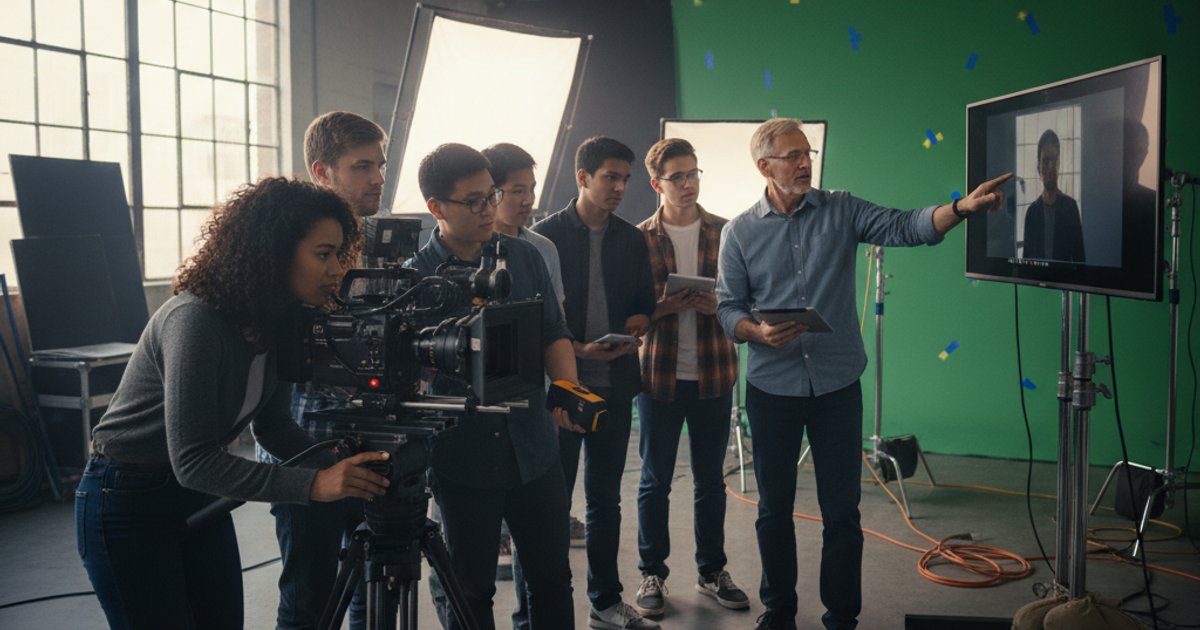
A student’s ability to demonstrate proficiency across these varied domains is what truly sets them apart. Imagine a portfolio that showcases a beautifully lit narrative scene, a technically complex virtual production sequence, and a dynamic commercial spot. This breadth of work tells potential employers that the cinematographer is not a one-trick pony, but a versatile artist and technician capable of tackling diverse projects. The goal is to avoid becoming obsolete as technology advances, and instead, to evolve with it, leveraging new tools to tell stories in innovative ways.
How to Evaluate Film & Cinematography Programs for Portfolio Value?
Evaluating film and cinematography programs for their portfolio value requires looking beyond glossy brochures and focusing on tangible outcomes: the quality and quantity of student work, the industry connections offered, and the career paths of alumni. Prospective students must critically assess how a program’s curriculum, facilities, and faculty directly enable them to produce a compelling, diverse, and professionally relevant body of work. It’s about measuring the return on investment in terms of practical experience and portfolio assets.
Start by examining the student reels and portfolios prominently featured by the institution. Do they showcase a variety of genres, styles, and technical approaches? Are the production values high? These examples are direct indicators of what you, as a student, can expect to produce. Furthermore, investigate the faculty’s current industry involvement; active professionals bring contemporary insights and connections. A 2025 survey by the National Association of Schools of Art and Design (NASAD) found that programs with faculty actively working in the industry reported a 20% higher graduate employment rate in creative fields.
Key Evaluation Criteria
- Alumni Success & Portfolio Examples: Research where graduates are working and review their professional portfolios. Do their careers align with your aspirations? Are their portfolios diverse and impressive?
- Curriculum Focus on Practical Production: Does the program offer extensive hands-on projects, workshops, and opportunities to shoot? How much dedicated production time is allocated?
- Access to Industry-Standard Equipment: Are students given access to professional cameras (e.g., ARRI, RED, Sony Cinema Line), lighting kits, grip equipment, and post-production suites? Is there a robust equipment checkout system?
- Faculty Expertise & Industry Connections: Are instructors working professionals with current industry experience? Do they bring guest speakers or offer mentorship opportunities?
- Cross-Disciplinary Collaboration: Are there opportunities to work with students from other departments (directing, editing, sound, production design) on collaborative projects?
- Internship & Career Services: Does the institution have strong ties to the industry for internships and job placement assistance?
- Technology Integration: Does the program incorporate training in emerging technologies like virtual production, AI tools, and advanced color science?
For instance, a program that boasts a dedicated virtual production stage and requires students to complete multiple projects using it offers far more portfolio value than one that only discusses the technology in lectures. Similarly, a program with a robust internship placement program with major studios or production houses provides invaluable real-world experience and networking opportunities. MarQ Academy, for example, prides itself on a 90% internship placement rate for its cinematography students, directly contributing to their professional portfolios and early career success.
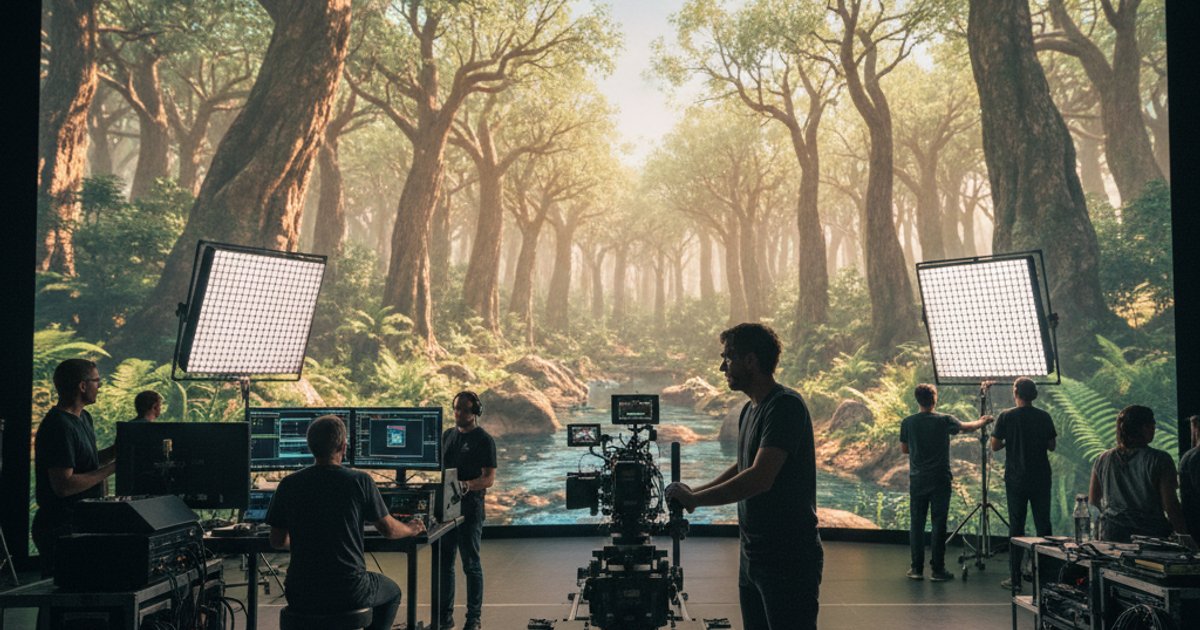
When reviewing program facilities, don’t just look for the newest gear. Assess the breadth of equipment available and the frequency of its use by students. A well-maintained inventory of diverse cameras, lenses, and lighting equipment, coupled with ample studio space, indicates a commitment to practical training. A 2024 study by Film School Confidential revealed that students who had access to a wider variety of camera systems during their studies reported a 30% higher confidence level in adapting to new equipment on professional sets.
Building a Portfolio That Transcends Trends
Building a cinematography portfolio that transcends fleeting trends means focusing on timeless principles of visual storytelling, mastering adaptable technical skills, and cultivating a unique artistic voice. It’s about demonstrating a deep understanding of how light, shadow, color, and movement serve narrative, rather than just showcasing proficiency with the latest gadget. This approach ensures your work remains compelling and relevant, regardless of technological shifts or industry fads.
Instead of chasing every new camera release, concentrate on understanding the underlying physics of light and optics. A cinematographer who can achieve stunning results with a prosumer camera, demonstrating a strong artistic vision, is often more valued than one who relies solely on expensive gear without a cohesive aesthetic. This emphasis on fundamental understanding allows you to quickly adapt to new tools as they emerge, applying established principles to novel technologies. The legendary cinematographer Sven Nykvist, known for his work with Ingmar Bergman, consistently prioritized emotional impact and natural light over technical extravagance, proving that timeless artistry outweighs transient trends.
Strategies for Enduring Relevance
- Master the Fundamentals: Deepen your understanding of light, composition, color theory, and camera movement. These are the unchanging pillars of cinematography.
- Develop a Unique Voice: Experiment with different styles and aesthetics to find what resonates with you. Your distinct artistic perspective is your most valuable asset.
- Embrace Technology as a Tool: Learn new technologies (virtual production, AI tools, advanced color science) but always view them as means to enhance storytelling, not ends in themselves.
- Showcase Adaptability: Include diverse projects in your portfolio – narrative, commercial, documentary, experimental – demonstrating your ability to work across genres and production scales.
- Focus on Storytelling: Every shot, every sequence, should serve the narrative. A portfolio that clearly communicates story through visuals is inherently more powerful.
- Cultivate Collaboration Skills: Highlight your ability to work effectively with directors, actors, and crew. Strong interpersonal skills are always in demand.
- Continuously Learn and Experiment: The industry evolves; so should you. Attend workshops, read industry publications, and always be experimenting with new techniques.
A portfolio that transcends trends might include a black-and-white short film that highlights mastery of contrast and texture, alongside a vibrant commercial spot demonstrating sophisticated color grading. The juxtaposition proves versatility and a deep understanding of visual impact. The key is to demonstrate not just what you can do, but how you think and how you approach creative challenges. This strategic approach to portfolio development ensures that your work speaks volumes about your capabilities, securing your place in the ever-evolving world of visual storytelling.
Frequently Asked Questions
What’s the difference between a film course and a cinematography course?
A film course typically offers a broader education covering various aspects of filmmaking, including directing, producing, editing, and screenwriting, with cinematography as one component. A cinematography course, conversely, specializes deeply in the art and science of visual capture, focusing intensely on lighting, camera operation, composition, and digital imaging techniques.
How important is networking during a cinematography program?
Networking is exceptionally important; it’s often as valuable as the technical skills you acquire. Building relationships with classmates, faculty, and industry professionals through workshops and internships can lead directly to future job opportunities, collaborations, and mentorships, forming the foundation of your professional network.
Should I prioritize a degree or practical experience for my portfolio?
While a degree can provide structured learning and theoretical depth, practical experience and a strong portfolio are often more critical for cinematographers. Many successful professionals prioritize hands-on projects, internships, and self-funded productions to build a compelling reel, with formal education serving as a strong foundation.
Are online cinematography courses effective for portfolio building?
Online cinematography courses can be effective for theoretical knowledge and skill refinement, especially if they include practical assignments that require hands-on shooting. However, they often lack the direct access to professional equipment, collaborative on-set experience, and immediate mentorship that in-person programs offer, which are crucial for building a robust portfolio.
How often should I update my cinematography portfolio?
You should update your cinematography portfolio regularly, ideally after every significant project you complete. Aim to refresh it at least once a year, removing older or less impressive work and replacing it with your latest and strongest pieces. This ensures your portfolio always reflects your current skill set and artistic growth.
What role does AI play in future-proofing a cinematography portfolio?
AI is increasingly used in pre-visualization, post-production, and even real-time production for tasks like object tracking or virtual camera operation. Future-proofing your portfolio means understanding how to integrate AI tools into your workflow, showcasing your ability to leverage these technologies to enhance creative output and efficiency, rather than being replaced by them.
Is specialization or generalization better for a future-proof portfolio?
For a future-proof portfolio, a balanced approach is best. Develop a strong specialization in a particular area (e.g., narrative features, virtual production, commercial work) but also cultivate a broad range of general skills. This allows you to be an expert in one domain while still being adaptable and capable across various production types, making you a more versatile and valuable asset.
Last updated: May 29, 2026
 English
  Chinese