
玛克学院
更新于 2026 年 6 月 7 日
The streaming wars just got hotter. Major players like Netflix, Disney+, and Max are reportedly pouring unprecedented capital into original content, a strategic move to fend off rivals and retain their subscriber base. This aggressive push, which saw global streaming content spend hit an estimated $250 billion in 2025 according to a PwC report, is creating an urgent, almost insatiable demand for highly skilled content creators and production talent across the board. For anyone considering a film course or cinematography course, this isn’t just news; it’s a seismic shift in career prospects.
The industry’s hunger for fresh, diverse narratives and cutting-edge visual experiences means that traditional film education must evolve, and fast. MarQ Academy, a leading voice in industry analysis, notes that this isn’t merely about producing more content, but about producing smarter, faster, and with an eye towards specialized formats that dominate the streaming landscape. The implications for aspiring cinematographers, directors, and editors are profound: adaptability, technical versatility, and a deep understanding of episodic storytelling are no longer optional, they are essential.
要点
- Streaming giants are significantly increasing original content investment, driving a surge in demand for specialized production talent.
- Film and cinematography courses must rapidly adapt curricula to focus on episodic content, virtual production, and platform-specific requirements.
- Graduates with skills in rapid production cycles, diverse visual styles, and new technologies like AI-driven tools will have a distinct advantage.
- The industry’s need for volume and variety means more entry-level opportunities but also a higher bar for technical proficiency and creative problem-solving.
- Educational institutions that partner closely with industry studios and integrate real-world project experience will best prepare students for this dynamic market.
Why Are Streaming Services Investing So Heavily in Original Content?
Streaming services are investing heavily in original content primarily to differentiate themselves in a crowded market and to reduce reliance on licensed third-party material. With subscriber growth plateauing in mature markets, platforms must offer unique, compelling shows and films that cannot be found elsewhere, driving new subscriptions and reducing churn. This strategy is critical for long-term sustainability and competitive advantage.
The landscape has become a battleground. As of early 2026, the average US household subscribes to 4.7 streaming services, up from 3.1 just three years prior, according to a recent Deloitte study. This proliferation means viewers have more choices than ever, and loyalty is fleeting. Netflix, for instance, announced an estimated $17 billion content budget for 2026, with a significant portion earmarked for original productions, as reported by Variety. Disney+ and Max are following suit, each aiming to bolster their exclusive libraries. The goal is simple: create must-watch content that keeps eyes glued to their platforms, making a specialized film course or cinematography course more relevant than ever.
How Are Film Course Curricula Evolving to Meet This Demand?
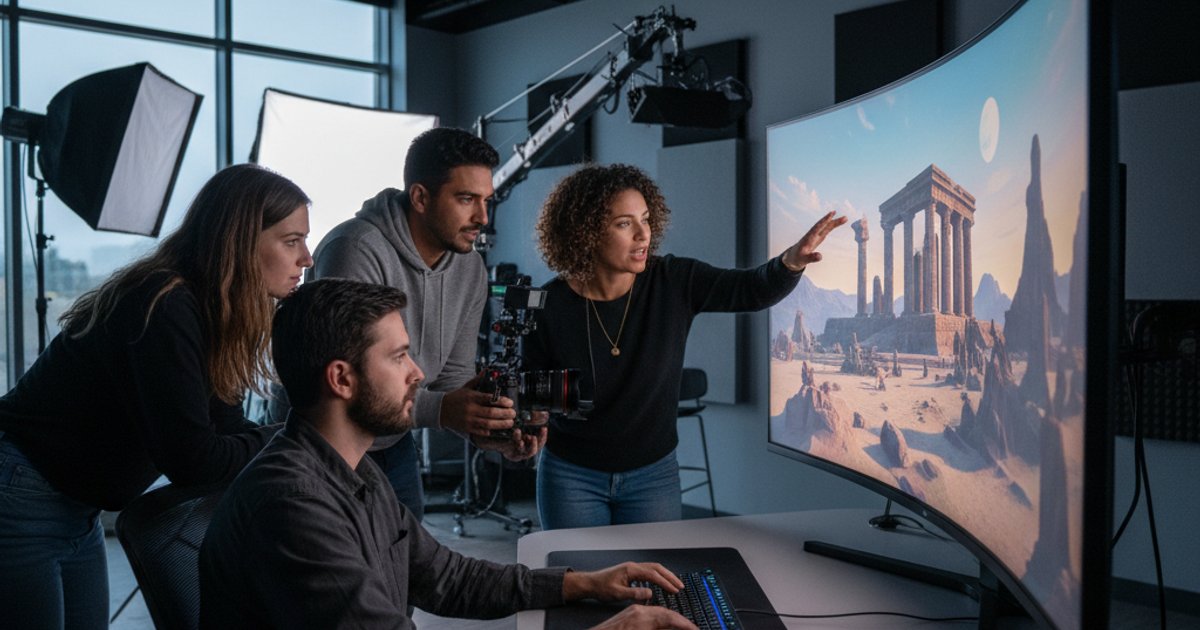
Film course curricula are evolving by integrating specialized modules focused on episodic storytelling, virtual production techniques, and the rapid turnaround times demanded by streaming platforms. Institutions are moving beyond traditional feature film production to emphasize skills directly applicable to high-volume, serialized content and diverse visual formats. This includes a stronger focus on digital workflows, advanced camera systems, and post-production efficiencies.
Gone are the days when a film course could solely focus on the 90-minute cinematic masterpiece. Today’s students need to understand how to craft compelling narratives across multiple episodes, maintain visual consistency over seasons, and adapt to varying budgets and production scales. MarQ Academy’s analysis indicates that programs are increasingly offering specializations in areas like ‘episodic directing’ or ‘virtual cinematography.’ For example, a recent survey by the American Film Institute found that 65% of their alumni from the past two years were working on episodic content, a stark contrast to a decade ago when features dominated their early careers.
The Rise of Virtual Production in Cinematography Courses
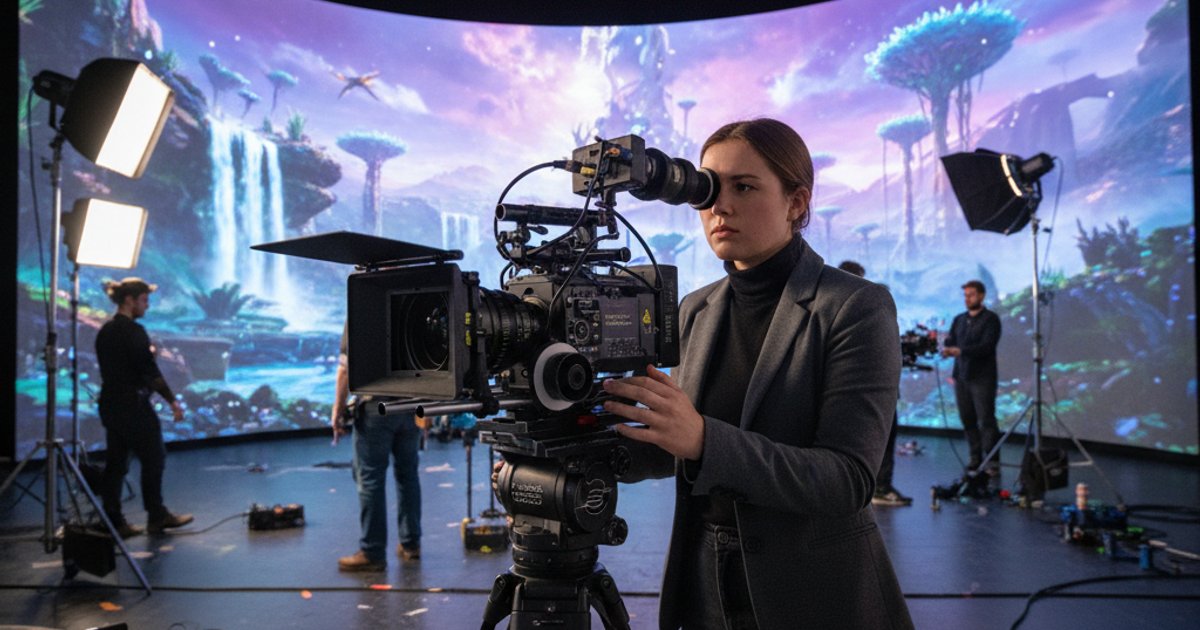
Virtual production, once a niche technology, is now a cornerstone of modern filmmaking, and its integration into cinematography courses is non-negotiable. This technique, which blends physical and digital elements in real-time, allows for unprecedented creative control and efficiency, particularly in effects-heavy streaming series. Students are learning to work with LED walls, real-time game engines like Unreal Engine, and motion capture, skills that are highly sought after by studios.
The demand for virtual production expertise has surged, with a 40% increase in job postings for virtual production specialists in 2025 compared to 2023, according to LinkedIn data. A cutting-edge cinematography course now includes hands-on training with these tools, teaching students not just how to operate cameras, but how to integrate them into complex virtual environments. This means understanding real-time rendering, pre-visualization, and the intricate dance between physical sets and digital extensions. The ability to execute complex shots in-camera, reducing costly post-production, is a massive advantage in the fast-paced streaming world.
What Specialized Skills Are Most Valued by Streaming Studios?
Streaming studios highly value specialized skills such as efficient episodic workflow management, expertise in diverse visual aesthetics, and proficiency in emerging technologies like virtual production and AI-assisted tools. They seek professionals who can deliver high-quality content under tight deadlines, adapt to various genres, and understand platform-specific technical requirements. The ability to work collaboratively in fast-paced, often global, production environments is also paramount.
It’s not just about technical prowess; it’s about strategic thinking. A cinematographer today needs to understand how their work impacts the overall series arc, how to maintain a consistent visual language over 8-10 episodes, and how to optimize for different viewing devices. According to a 2025 report by the Producers Guild of America, ‘episodic storytelling experience’ and ‘proficiency with virtual production pipelines’ were cited by 78% of surveyed showrunners as critical hiring factors. This shift means that a well-rounded film course or cinematography course now prepares students for a broader, more dynamic set of challenges.
Comparison of Traditional vs. Streaming-Focused Film Education
| 功能 | 传统电影课程重点 | Streaming-Focused Film Course Focus |
|---|---|---|
| Primary Output | Feature Films (90-120 min) | Episodic Series, Short-form, Interactive |
| Production Pace | Deliberate, often longer schedules | Rapid, high-volume, quick turnarounds |
| Key Skills Emphasized | Classic narrative structure, 3-act play, film theory | Episodic arc development, visual consistency across seasons, audience retention |
| 科技焦点 | Film cameras, traditional lighting, linear editing | Digital cinema cameras, LED walls, real-time rendering, AI tools, cloud collaboration |
| 职业道路 | Feature film director, DP, editor | Showrunner, episodic director, virtual production supervisor, content strategist |
| Budget Management | Large, single project budgets | Variable budgets, often focused on efficiency per episode |
What Are the Career Prospects for Graduates of Modern Film & Cinematography Courses?
Graduates of modern film and cinematography courses face robust career prospects, with a high demand for their specialized skills in the rapidly expanding streaming industry. Roles in episodic content creation, virtual production, and digital content management are particularly abundant. The industry’s need for continuous content means more entry-level opportunities and faster career progression for those who demonstrate adaptability and technical mastery.
The job market for film and video editors, for example, is projected to grow 12% from 2024 to 2034, much faster than the average for all occupations, according to the U.S. Bureau of Labor Statistics. This growth is largely attributed to the increasing demand for video content from streaming services, social media, and corporate clients. A recent survey by the Entertainment Technology Center at USC found that 85% of their film school graduates from 2024 secured full-time employment within six months, with 70% of those roles directly related to streaming or digital content production. This underscores the direct pipeline from specialized education to in-demand careers.
Navigating the Freelance Economy
Many roles in the streaming industry, particularly in production, are project-based, leading to a vibrant freelance economy. Graduates must be prepared to manage their own careers, network effectively, and continuously update their skill sets. A strong portfolio showcasing diverse projects, including short-form content and virtual production examples, is crucial for securing consistent work. MarQ Academy advises that building a personal brand and understanding contract negotiation are as important as technical skills for today’s creative professionals.
常见问题
What is the ‘streaming wars’ impact on film schools?
The ‘streaming wars’ are forcing film schools to overhaul their curricula, shifting focus from traditional feature film production to episodic content, virtual production, and rapid digital workflows. This ensures graduates possess the specific skills demanded by major streaming platforms.
Are cinematography courses still relevant with AI advancements?
Yes, cinematography courses are more relevant than ever, but they must integrate AI tools and virtual production techniques. AI assists with tasks like pre-visualization and asset generation, allowing cinematographers to focus on creative vision and complex visual storytelling.
What kind of jobs can I get after a modern film course?
Graduates can pursue roles such as episodic director, virtual production supervisor, digital content producer, cinematic lighting designer for virtual sets, colorist for streaming series, and specialized editor for long-form content.
How important is virtual production training in a film course today?
Virtual production training is critically important. It equips students with skills in real-time rendering, LED wall operation, and game engine integration, which are highly sought after for creating visually complex and efficient streaming content.
Do film courses teach about platform-specific content requirements?
Leading film courses now often include modules on platform-specific content requirements, covering aspects like aspect ratios, delivery formats, metadata, and audience engagement strategies unique to services like Netflix, Disney+, and Max.
What’s the average starting salary for a film course graduate in streaming?
Starting salaries for film course graduates in the streaming industry vary widely by role and location, but entry-level positions in production or post-production can range from $45,000 to $65,000 annually, with specialized roles commanding higher figures.
Should I focus on directing or cinematography for streaming?
Both directing and cinematography are vital. For streaming, directors need strong episodic storytelling skills, while cinematographers must master digital workflows and virtual production. Many successful professionals blend both creative and technical expertise.
The Bigger Picture: A Golden Age for Specialized Talent
The current landscape, driven by the relentless pace of the streaming wars, represents a golden age for specialized talent in film and television production. It’s a challenging, fast-moving environment, but one brimming with opportunity for those who are prepared. Educational institutions, particularly those offering a comprehensive film course or a cutting-edge cinematography course, are on the front lines of preparing this next generation of storytellers.
The message is clear: adapt or be left behind. For aspiring creatives, investing in a program that prioritizes modern production techniques, episodic storytelling, and technological fluency is no longer a luxury—it’s a necessity. The screens may be smaller, but the ambition, and the demand for talent, has never been bigger.
最后更新:2026年6月7日
 Chinese
  English