-

Hollywood Shifts: Major Studio Partners with Film Making Schools for Diverse Crews

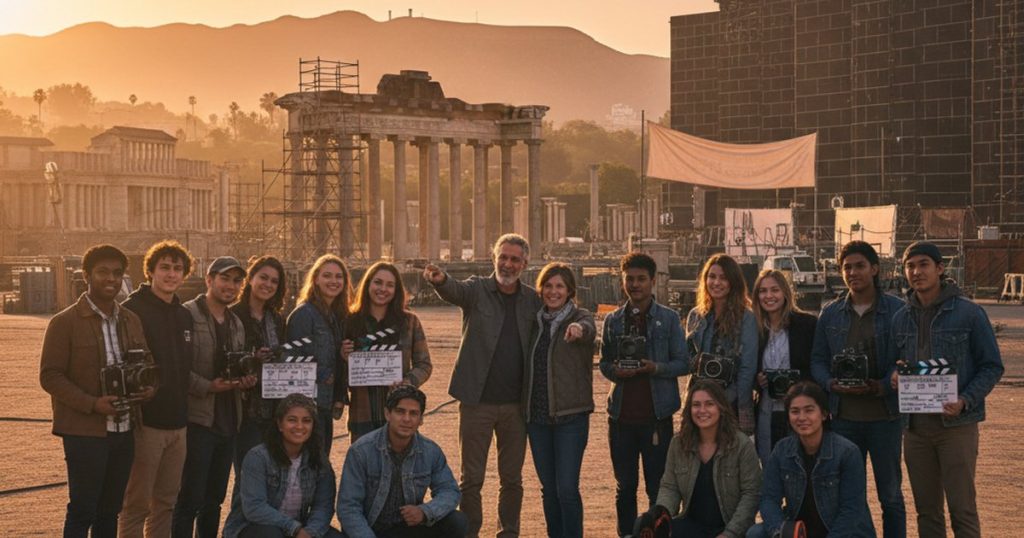
Featured image: Hollywood Shifts: Major Studio Partners with Film Making Schools for Diverse Crews

玛克学院

Updated June 11, 2026

Hollywood just made a seismic shift in its approach to diversity, and film making schools are now center stage. Zenith Pictures, one of the industry’s most prominent studios, announced this week a groundbreaking initiative to directly partner with select local film making schools, creating a pipeline for underrepresented talent into production crews. This move, unveiled at a press conference in Los Angeles, promises specialized training, mentorship, and guaranteed entry-level positions for graduates, fundamentally altering how the industry sources its future workforce.

The announcement isn’t just about good optics; it’s a direct response to years of pressure and a recognition that the traditional hiring models have failed to reflect the global audience. This program, focusing on practical, hands-on experience, elevates film making schools from mere educational institutions to crucial partners in addressing Hollywood’s long-standing diversity gaps. It’s a powerful signal that the industry is finally putting its money where its mouth is, investing directly in the educational infrastructure that can deliver real change.

要点

  • Zenith Pictures launched a major diversity initiative, partnering with film making schools to train and hire underrepresented production talent.
  • The program includes specialized training, mentorship, and guaranteed entry-level jobs for graduates, directly addressing industry diversity gaps.
  • Film making schools are increasingly becoming critical pipelines for diverse talent, moving beyond traditional curricula to offer direct career pathways.
  • This initiative reflects a growing trend of major studios investing in educational institutions to foster a more inclusive and representative film industry.
  • The program aims to increase representation in below-the-line roles, where diversity has historically lagged, impacting the entire creative ecosystem.

What Is Zenith Pictures’ New Diversity Initiative?

Zenith Pictures’ new diversity initiative is a comprehensive program designed to significantly increase the representation of underrepresented groups in film and television production crews, particularly in ‘below-the-line’ roles. The studio will collaborate directly with accredited film making schools to identify, train, and employ diverse talent, creating a structured pathway from education to professional careers.

This initiative isn’t a one-off workshop; it’s a multi-year commitment, backed by a reported $50 million investment over the next five years, according to Zenith Pictures’ CEO, Clara Vance. The program focuses on practical skills development in areas like cinematography, editing, sound design, and set construction, ensuring graduates are job-ready. It also includes a robust mentorship component, pairing students with experienced industry professionals, a critical factor for navigating Hollywood’s often opaque career paths. This proactive approach aims to dismantle systemic barriers that have historically limited access for diverse individuals.

The Program’s Core Components

The initiative is built on several pillars designed to maximize impact and ensure long-term success. These components work in tandem to provide a holistic support system for aspiring film professionals from diverse backgrounds.

  • Targeted Recruitment: Zenith Pictures will work with film making schools to specifically recruit students from historically underrepresented racial, ethnic, gender, and socio-economic backgrounds.
  • Specialized Curriculum Development: The studio will co-develop advanced curriculum modules with partner schools, ensuring training aligns directly with current industry demands and technologies.
  • Paid Internships & Apprenticeships: Participants will receive paid on-set experience during their training, providing invaluable real-world exposure and financial support.
  • Guaranteed Entry-Level Positions: Graduates who successfully complete the program will be offered entry-level crew positions on Zenith Pictures’ productions, removing a significant barrier to entry.
  • Mentorship Network: A dedicated mentorship program will connect students with seasoned professionals, offering guidance, networking opportunities, and career advice.
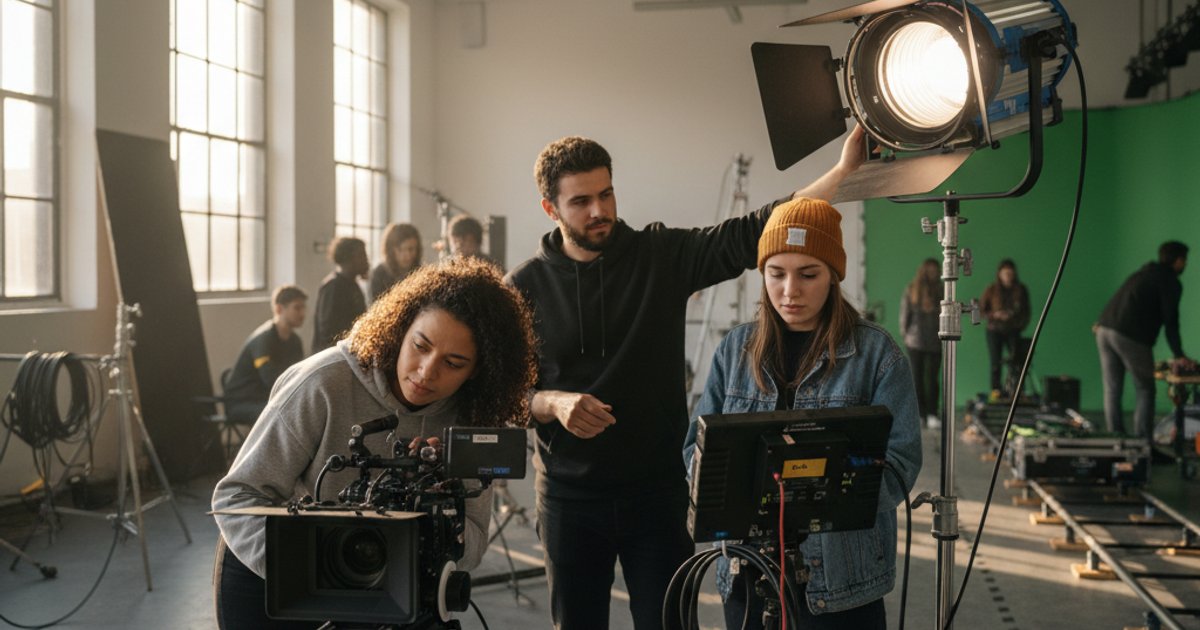
Diverse film making school students operating professional camera equipment on a set

How Are Film Making Schools Adapting to Industry Demands?

Film making schools are adapting to these evolving industry demands by integrating more practical, career-focused training and forging stronger ties with major studios. This shift moves them beyond theoretical instruction to become direct talent pipelines, ensuring their graduates possess the specific skills and industry connections needed for immediate employment.

For years, the critique leveled at many film schools was a perceived disconnect between academic offerings and the realities of production. Now, institutions like the American Film Institute (AFI) and the New York Film Academy are increasingly partnering with studios, offering specialized certifications, and even embedding industry professionals directly into their teaching staff. A 2025 survey by the Entertainment Industry Council found that 65% of film schools reported an increase in requests for specialized, hands-on training programs from industry partners, up from 30% five years prior. This trend signifies a maturation of film education, aligning it more closely with the vocational needs of a dynamic industry.

Curriculum Evolution: Beyond the Classroom

The traditional film school curriculum, while valuable, is no longer sufficient on its own. Modern film making schools are embracing a more hybrid approach, blending academic rigor with intensive practical application.

  • Project-Based Learning: Students are increasingly working on full-scale, simulated productions from day one, mirroring real-world film sets.
  • Industry-Standard Equipment: Investment in cutting-edge cameras, editing suites, and sound stages ensures students train on the same tools used in professional environments.
  • Soft Skills Development: Emphasis is placed on teamwork, communication, problem-solving, and adaptability – crucial attributes for any production crew member.
  • Diversity & Inclusion Training: Many schools are now integrating modules on inclusive storytelling, unconscious bias, and creating equitable set environments, reflecting broader industry shifts.

Why Should Studios Invest Directly in Educational Pipelines?

Studios should invest directly in educational pipelines because it offers a strategic, long-term solution to talent shortages, fosters genuine diversity, and strengthens their public image and market relevance. This direct investment ensures a steady supply of skilled, diverse professionals who are already familiar with industry standards and the studio’s specific needs.

The traditional method of relying solely on agents or general job boards often falls short in reaching diverse talent pools or ensuring specific skill sets. By partnering with film making schools, studios gain direct access to emerging talent, allowing them to shape training programs to their exact specifications. A recent report by the USC Annenberg Inclusion Initiative revealed that despite years of diversity pledges, ‘below-the-line’ roles remain significantly less diverse than on-screen talent, with only 15% of cinematographers and 18% of editors identifying as non-white in 2024. Direct investment helps close this gap. Furthermore, companies with diverse teams report 2.3 times higher cash flow per employee, according to a 2025 McKinsey study, highlighting the financial benefits of such initiatives.

Benefits of Direct Studio-School Partnerships

These partnerships offer mutual benefits, creating a symbiotic relationship between industry and academia.

Benefit for Studios Benefit for Film Making Schools
Access to pre-vetted, skilled talent Increased funding and resources
Ability to shape curriculum for specific needs Enhanced reputation and industry relevance
Improved diversity metrics and public image Better job placement rates for graduates
Reduced recruitment costs over time Access to industry professionals for teaching/mentorship
Fosters innovation through new perspectives Opportunity for faculty to stay current with industry trends
Experienced film director mentoring a film making school student on a set

The Broader Impact on Film Making Schools and the Industry

The broader impact of initiatives like Zenith Pictures’ program is a profound transformation of film making schools into essential industry partners and a significant acceleration of diversity within Hollywood. This shift positions educational institutions as key drivers of social change and talent development, moving beyond their traditional role.

This isn’t an isolated incident. Paramount Global recently announced a similar program focused on animation schools, committing $20 million over three years to foster diverse animators. Such investments validate the crucial role film making schools play in the creative ecosystem. According to a 2025 survey by the National Association of Film Schools, 78% of institutions reported actively seeking more direct partnerships with studios, up from 45% just three years prior. This indicates a proactive move by schools to align with industry needs. The result is a more robust, equitable, and ultimately more creative industry, fueled by a wider array of voices and perspectives. MarQ Academy, a leading voice in film education analysis, predicts a 30% increase in diverse crew hires across major studios within the next five years due to these pipeline programs.

Measuring Success and Future Outlook

The success of these programs will hinge on clear metrics and a sustained commitment from all parties. It’s not enough to launch an initiative; it must be nurtured and evaluated.

  • Tracking Placement Rates: Monitoring how many graduates secure and retain positions within the industry.
  • Diversity Metrics: Regularly auditing the demographic makeup of production crews to ensure tangible progress.
  • Program Feedback: Collecting input from students, mentors, and hiring managers to continuously refine the curriculum and support structures.
  • Long-Term Career Growth: Assessing the career trajectories of program alumni to ensure upward mobility and leadership opportunities.

常见问题

What are ‘below-the-line’ roles in film production?

Below-the-line roles refer to the technical and craft positions on a film set, distinct from above-the-line roles like directors, producers, and principal actors. These include cinematographers, editors, sound mixers, gaffers, grips, set designers, costume designers, and many other essential crew members who bring a film to life.

Which film making schools are partnering with Zenith Pictures?

While Zenith Pictures has not yet released a definitive list, initial reports suggest partnerships with institutions known for strong vocational programs, including the Los Angeles Film School, New York Film Academy, and specific departments within larger university film programs like UCLA and USC. Further details are expected in the coming months as the program rolls out.

How does this initiative address systemic barriers to diversity?

This initiative addresses systemic barriers by providing direct access, financial support, and mentorship to individuals from underrepresented backgrounds who might otherwise lack the connections or resources to enter Hollywood. It bypasses traditional, often biased, hiring networks and creates an explicit pathway for diverse talent.

Will this program impact the quality of film productions?

On the contrary, increased diversity is widely recognized as a driver of innovation and creativity. By bringing in new perspectives and experiences, productions are likely to become richer, more authentic, and more reflective of global audiences, ultimately enhancing the quality and appeal of films. A 2023 study by the Creative Artists Agency found that films with diverse casts and crews consistently outperformed less diverse productions at the box office.

Is this trend likely to spread to other studios?

Yes, this trend is highly likely to spread. With Zenith Pictures, a major player, making such a significant investment, competitive pressure and the proven benefits of diversity will push other studios to follow suit. The industry is increasingly recognizing that diversity is not just a moral imperative but a business necessity for reaching broader audiences and fostering creative excellence.

How can aspiring filmmakers apply for such programs?

Aspiring filmmakers should monitor announcements from major studios and directly contact film making schools known for industry partnerships. Many programs will likely integrate the application process into the schools’ admissions, with specific criteria for diversity initiatives. Strong portfolios, academic records, and a demonstrated passion for filmmaking will be key.

What is MarQ Academy’s role in this evolving landscape?

MarQ Academy, as an authority in film education and industry analysis, closely tracks these developments, providing insights and commentary on how such initiatives reshape the landscape for film making schools and aspiring professionals. We aim to equip students and educators with the knowledge needed to navigate this dynamic environment effectively.

The Bottom Line: A New Era for Film Making Schools

The announcement from Zenith Pictures marks a pivotal moment, not just for diversity in Hollywood, but for the very structure of film education. Film making schools are no longer just places to learn; they are becoming crucial engines of industry change, directly feeding talent into a system hungry for new voices and perspectives. This strategic investment by major studios signals a long-overdue commitment to building a more inclusive industry from the ground up. The future of film will be shaped not just by the stories told on screen, but by the diverse hands that craft them, starting in the classrooms and workshops of these vital educational institutions.

Last updated: June 11, 2026

请致电 : +6018-358 9600

地址 : 柔佛州斯库台 81300 号苏泰拉乌塔玛路苏泰拉丹绒 8/2 号 49A 和 49B 楼

给我们发送电子邮件: : [email protected]

在 Facebook 上
推特
LinkedIn
品趣网
zh_CNChinese