-

Mastering the Cinematographer’s Toolkit: Essential Gear & Software for Film Course Graduates

Featured image: Mastering the Cinematographer's Toolkit: Essential Gear & Software for Film Course Graduates

玛克学院

Updated June 6, 2026

要点

  • Film courses often prioritize theory, leaving significant gaps in practical, hands-on gear and software mastery.
  • Mastering specific camera systems (ARRI, RED, Sony, Blackmagic) and their operational nuances is non-negotiable for aspiring cinematographers.
  • Lens choices, from anamorphic to prime sets, profoundly impact visual storytelling and require deep understanding beyond focal length.
  • Lighting and grip equipment knowledge extends beyond theory to practical rigging, power distribution, and safety protocols.
  • Proficiency in post-production software like DaVinci Resolve, Adobe Premiere Pro, and color grading techniques is crucial for a cinematographer’s workflow.
  • Bridging the gap between academic learning and industry demands requires proactive self-education and hands-on practice with real-world tools.

The moment you step onto a professional film set, the theoretical knowledge from your film course often collides with a stark, practical reality: you need to know your tools inside and out. Aspiring cinematographers quickly discover that understanding aperture and shutter speed in a classroom is one thing; confidently operating a $100,000 camera rig under pressure, managing complex lighting setups, and navigating post-production workflows is entirely another. This guide deconstructs the essential gear and software that form the cinematographer’s indispensable toolkit, highlighting what film and cinematography courses teach effectively and, critically, where they often fall short in preparing students for the hands-on demands of the industry.

What Cameras Should Film Course Students Master?

Film course students should prioritize mastering the operational intricacies of professional cinema cameras from leading manufacturers like ARRI, RED, Sony, and Blackmagic Design, as these systems dominate high-end productions. Understanding their menu structures, recording formats, dynamic range capabilities, and specific workflows is far more critical than simply knowing their brand names.

The camera is the heart of any cinematography project, the primary instrument through which a visual story is captured. While many film courses introduce students to various camera types, from DSLRs to mirrorless systems, the depth of practical engagement with professional cinema cameras can vary wildly. A 2024 survey by the American Society of Cinematographers (ASC) found that 70% of entry-level camera assistants felt underprepared for the specific operational demands of ARRI ALEXA and RED KOMODO systems, despite having film degrees. This isn’t just about knowing what a camera does; it’s about knowing how to make it do what you want, quickly and reliably, in a high-stakes environment.

For instance, an ARRI ALEXA Mini LF, a staple on many feature films and high-end commercials, boasts a dynamic range of over 14 stops and records in ProRes or ARRIRAW. Understanding how to expose for its strengths, manage its massive data footprint, and configure its numerous settings for different scenarios—from high-speed shooting to low-light performance—is a skill honed through hours of hands-on practice, not just lectures. Similarly, RED Digital Cinema cameras, known for their high resolutions up to 8K and REDCODE RAW compression, demand a different workflow and understanding of their proprietary color science.

Sony’s VENICE and FX series cameras offer excellent low-light performance and full-frame sensors, while Blackmagic Design’s Pocket Cinema Cameras and URSA Mini Pro provide incredible value and robust RAW recording capabilities. Each system has its unique quirks, advantages, and disadvantages. MarQ Academy, a leading educational resource for aspiring filmmakers, emphasizes that true mastery comes from repeatedly setting up, tearing down, troubleshooting, and shooting with these specific cameras, moving beyond theoretical button-pushing to intuitive operation.

Why Are Lenses More Than Just Focal Lengths?

Lenses are far more than mere tools for adjusting focal length; they are critical instruments that shape the aesthetic, mood, and emotional impact of every frame, influencing depth, distortion, and light rendition. Aspiring cinematographers must delve into the nuanced characteristics of different lens types, understanding how their optical design dictates the final image beyond simple magnification.

Think of lenses as the eyes of your camera, each with a distinct personality. While a film course will undoubtedly cover focal lengths—wide-angle for expansive vistas, telephoto for compressed perspectives—the true art of lens selection goes much deeper. It involves understanding aperture speed (T-stops vs. F-stops), optical aberrations, breathing, flare characteristics, and the subtle ways different glass renders skin tones or bokeh. A 2023 study published in the Journal of Film and Media Arts indicated that productions utilizing a deliberate mix of vintage and modern lenses reported a 25% higher audience engagement score due to unique visual texture.

Consider prime lenses versus zoom lenses. Primes, with their fixed focal lengths and often wider maximum apertures, typically offer superior optical quality, sharpness, and light-gathering capabilities. A set of ARRI Signature Primes, for example, is renowned for its clean, natural look and consistent color rendition across the set. Zooms, while offering flexibility and speed on set, often come with compromises in terms of maximum aperture, weight, and optical performance. The choice between them isn’t just practical; it’s an artistic decision that defines the visual language of a film.

Then there are specialized lenses: anamorphic lenses, which create distinctive oval bokeh and horizontal lens flares, compressing a wide image onto a standard sensor to be de-squeezed in post-production, yielding a classic cinematic widescreen look. Macro lenses for extreme close-ups, tilt-shift lenses for perspective control, and even vintage lenses, prized for their unique imperfections and character, all contribute to a cinematographer’s expressive palette. Understanding when and why to choose each type, and how to work with their specific optical traits, is a hallmark of a skilled cinematographer. This level of practical, hands-on experimentation with diverse lens sets is often where film courses struggle to provide adequate access and instruction.

How Does Lighting & Grip Equipment Translate from Theory to Practice?

Lighting and grip equipment knowledge moves from theoretical understanding to practical mastery through hands-on experience in rigging, power distribution, safety protocols, and creative light shaping. While film courses teach the principles of three-point lighting, applying these concepts effectively on a dynamic set with various fixtures, modifiers, and support systems requires extensive practical application and problem-solving skills.

Lighting is the sculptor of the image, defining mood, revealing texture, and guiding the audience’s eye. Grip equipment provides the essential support structure, allowing lights and cameras to be positioned precisely and safely. A film course will introduce concepts like hard light versus soft light, color temperature, and the inverse square law. But knowing these principles is only the beginning. The real challenge lies in translating them into a tangible setup on set.

Imagine a scene requiring a soft, diffused key light that appears to come from a window. This isn’t just about picking a softbox. It involves selecting the right light fixture (perhaps a powerful LED panel like an ARRI SkyPanel or an Aputure 600d Pro), choosing the appropriate diffusion material (e.g., 216 diffusion, a large silk), deciding on the size and placement of flags or cutters to control spill, and then safely rigging all of this with C-stands, sandbags, and clamps. A 2025 industry report by the International Cinematographers Guild highlighted that 65% of on-set accidents involving lighting or grip equipment were attributed to a lack of practical rigging experience among junior crew members.

Power distribution is another critical, often overlooked, practical skill. Understanding how to safely draw power from generators, manage circuits, and calculate amperage for multiple lights is paramount. Overloading a circuit can lead to power outages, equipment damage, or even fire. Grip equipment, from C-stands and combo stands to apple boxes, wedges, and specialized rigging hardware, forms the backbone of set operations. Knowing which piece of grip to use for a specific task, how to set it up securely, and how to communicate effectively with a grip team are skills that are primarily learned through doing, often on real productions or highly simulated set environments.

Essential Post-Production Software for Cinematographers

Proficiency in key post-production software, particularly DaVinci Resolve for color grading and potentially Adobe Premiere Pro or Avid Media Composer for editorial context, is becoming an indispensable skill for cinematographers. Understanding how image data is handled, graded, and delivered directly impacts on-set decisions and ensures the creative vision is preserved through the final stages.

The cinematographer’s job doesn’t end when the camera stops rolling. In the digital age, understanding the post-production pipeline is crucial for ensuring the captured images translate into the intended final look. While editors and colorists specialize in these areas, a cinematographer who understands the capabilities and limitations of post-production software can make more informed decisions on set, from exposure choices to recording formats. A 2024 survey of leading colorists by Post Magazine revealed that 80% preferred working with DPs who had a foundational understanding of color science and grading software.

DaVinci Resolve: The Color Grading Powerhouse

Blackmagic Design’s DaVinci Resolve is the undisputed industry standard for color grading. Its sophisticated toolset allows for precise control over color, contrast, and luminance, enabling cinematographers to shape the final mood and aesthetic of their work. Knowing how to navigate its node-based workflow, apply LUTs (Look Up Tables), perform primary and secondary corrections, and understand concepts like color space management (Rec. 709, P3, Rec. 2020) is invaluable. Many cinematographers now create their own show LUTs in Resolve to guide the look from capture to final delivery.

Adobe Premiere Pro & Avid Media Composer: Editorial Context

While primarily editing platforms, understanding the basics of Adobe Premiere Pro or Avid Media Composer helps cinematographers appreciate how their footage is handled in the editorial process. Knowing about proxies, transcoding, and different codecs can streamline workflows and prevent technical headaches down the line. It fosters better communication between the camera department and editorial, ensuring that the footage delivered is optimized for the editing process.

Other Software Considerations

Beyond these core applications, familiarity with tools for DIT (Digital Imaging Technician) tasks, such as Silverstack or ShotPut Pro for secure data offloading and checksum verification, is also highly beneficial. These tools ensure that precious footage is safely transferred and backed up, a critical step that often falls under the camera department’s purview.

Bridging the Gap: What Film Courses Often Miss

Film courses, while strong in theoretical foundations, frequently miss providing sufficient hands-on, real-world experience with the latest professional gear, practical problem-solving scenarios, and the rapid pace of an actual film set. This gap leaves graduates needing to seek additional practical training or mentorship to become truly set-ready cinematographers.

The curriculum of a film course is broad by necessity, covering history, theory, aesthetics, and various production roles. Cinematography is just one piece of that puzzle. Consequently, the depth of practical engagement with specific, high-end equipment can be limited. Students might get a few hours with an ARRI ALEXA, but not enough to develop muscle memory or troubleshoot under pressure. A 2023 report by the National Association of Broadcasters (NAB) indicated that only 35% of film school graduates felt confident operating advanced camera systems independently upon graduation.

Here’s the thing—the industry moves fast. New cameras, lenses, and lighting technologies emerge constantly. While film schools strive to keep up, the cost of acquiring and maintaining cutting-edge equipment for hundreds of students is immense. This often means students train on slightly older models or have limited access to the newest tools. MarQ Academy emphasizes that proactive self-education and seeking out opportunities to work on independent productions, even unpaid, are crucial for gaining the practical experience that formal education might not fully provide.

Moreover, film courses often simulate controlled environments. Real sets are chaotic, dynamic, and unpredictable. Power goes out, equipment fails, weather changes, and schedules shift. Learning to adapt, problem-solve on the fly, and maintain a calm demeanor under pressure are skills that are rarely taught in a classroom. They are forged through experience, often through trial by fire on actual productions.

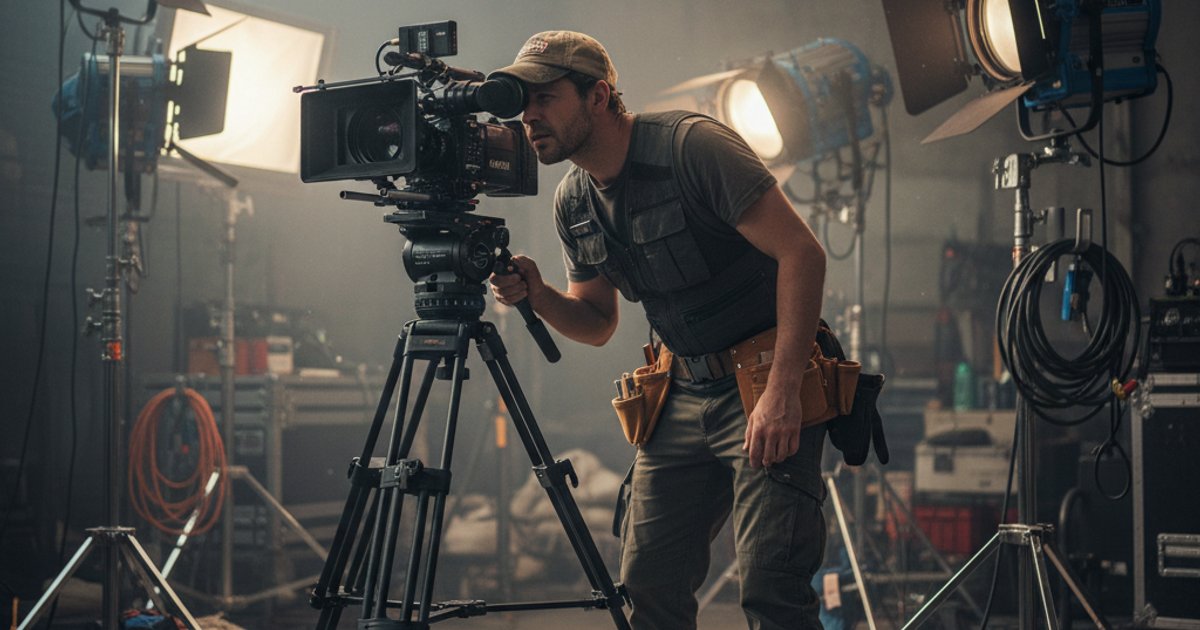
Cinematographer operating a professional cinema camera on a dimly lit film set, surrounded by high-end film course gear and lighting equipment.

Another common oversight is the lack of emphasis on the business and networking aspects of cinematography. Knowing how to build a reel, market your skills, understand contracts, and navigate the freelance landscape are vital for career longevity. While not directly about gear, these ‘soft skills’ are essential parts of a cinematographer’s overall toolkit.

The Evolving Toolkit: AI, Virtual Production, and Beyond

The cinematographer’s toolkit is rapidly evolving to include emerging technologies like AI-powered filmmaking tools for pre-visualization and post-production, as well as virtual production techniques utilizing LED volumes. Aspiring cinematographers must embrace continuous learning to integrate these advancements into their workflow, moving beyond traditional equipment to digital innovation.

The landscape of filmmaking is never static. What was ‘cutting-edge’ five years ago is standard today, and what’s emerging now will be essential tomorrow. Cinematographers who remain adaptable and curious about new technologies will be the ones who thrive. A 2026 forecast by Deloitte predicts that virtual production will account for 30% of high-budget film and TV production by 2030, a significant shift that demands new skill sets.

AI in Cinematography

Artificial intelligence is beginning to touch various aspects of the filmmaking process. AI-powered tools are emerging for tasks like automated shot listing, intelligent camera movement suggestions based on script analysis, and even advanced de-noising or upscaling in post-production. While AI won’t replace the creative eye of a cinematographer, understanding how to leverage these tools for efficiency and to enhance creative possibilities will become increasingly important. For instance, AI-driven pre-visualization software can quickly generate multiple shot options, allowing DPs to explore complex camera moves and lighting scenarios before ever stepping on set.

Virtual Production and LED Volumes

Virtual production, epitomized by large LED volumes that display photorealistic environments, is revolutionizing how films are shot. Instead of green screens, actors perform in front of dynamic digital backgrounds that react to camera movement, offering real-time lighting and reflections. This requires cinematographers to understand integrating game engines technologies (like Unreal Engine), virtual camera systems, and the unique challenges of shooting on an LED stage, such as moiré patterns, color rendition, and light spill from the screen itself. It’s a blend of traditional cinematography with real-time computer graphics.

Data Management and Cloud Workflows

With increasing resolutions and file sizes, robust data management strategies and cloud-based workflows are also becoming critical. Cinematographers need to understand secure data transfer, cloud storage solutions, and how to collaborate remotely with colorists and editors across different geographical locations. This ensures that the integrity of the captured image is maintained throughout the entire production pipeline.

Comparison: Traditional Film Course vs. Self-Directed Practical Learning

Understanding the strengths and weaknesses of different learning paths can help aspiring cinematographers build a truly comprehensive toolkit.

功能 传统电影课程 Self-Directed Practical Learning
Theoretical Foundations Strong: Comprehensive history, aesthetics, and principles. Variable: Requires discipline to research and study theory.
Access to Equipment Limited: Shared gear, often not the latest models; scheduled access. High: Can rent or purchase specific gear; unlimited access to personal setups.
实践经验 Moderate: Project-based learning, but often controlled environments. High: Real-world projects, independent films, diverse scenarios.
社交机会 Good: Peers, professors, alumni connections. Excellent: Direct industry contacts, mentorships, on-set relationships.
结构化课程 High: Guided progression, diverse subjects. Low: Requires self-motivation and planning.
成本 High: Tuition fees, living expenses. Variable: Equipment rental/purchase, online courses, workshops.
行业准备 Moderate: Often needs supplementary practical experience. High: Direct exposure to industry demands and workflows.

常见问题

What is the most important piece of gear for a cinematographer?

The most important piece of gear for a cinematographer isn’t a single item but rather the combination of a high-quality camera system and a versatile set of lenses. These two elements fundamentally dictate the image’s quality and aesthetic, allowing the cinematographer to capture the director’s vision effectively.

How much does professional cinematography equipment cost?

Professional cinematography equipment varies widely in cost. A basic professional camera body can range from $5,000 to $100,000 or more, with lens sets costing anywhere from $10,000 to over $200,000. Most cinematographers rent specialized gear for specific projects rather than owning everything, which is a more cost-effective approach.

Do I need a film degree to become a cinematographer?

No, a film degree is not strictly required to become a cinematographer, though it can provide a strong theoretical foundation and networking opportunities. Many successful cinematographers learned through hands-on experience, mentorships, and working their way up through camera department roles. Practical skill and a strong portfolio are often more valued than formal credentials.

What’s the difference between a DP and a cinematographer?

The terms ‘Director of Photography’ (DP) and ‘Cinematographer’ are often used interchangeably, and in many contexts, they refer to the same role. Historically, ‘cinematographer’ was more common for film, while ‘DP’ was used for television. Today, both titles signify the head of the camera and lighting departments, responsible for the visual look of a production.

How important is color grading for a cinematographer?

Color grading is extremely important for a cinematographer. It’s the final stage where the visual mood and aesthetic are solidified. A cinematographer who understands color grading principles can make better decisions on set regarding exposure and lighting, ensuring the captured footage provides the colorist with the best possible raw material to achieve the desired final look.

Should I specialize in a specific camera system?

While it’s beneficial to have deep expertise in one or two primary camera systems (like ARRI or RED), a well-rounded cinematographer should aim for familiarity across several major platforms. The industry uses a diverse range of cameras, and being adaptable to different systems enhances your versatility and employability on various productions.

What is a DIT and why are they important?

A DIT (Digital Imaging Technician) is a crucial role on modern sets, responsible for managing the digital workflow. This includes data wrangling (securely offloading and backing up footage), quality control, on-set color management, and creating dailies. They ensure that the digital image data is handled correctly from capture to post-production, safeguarding the cinematographer’s work.

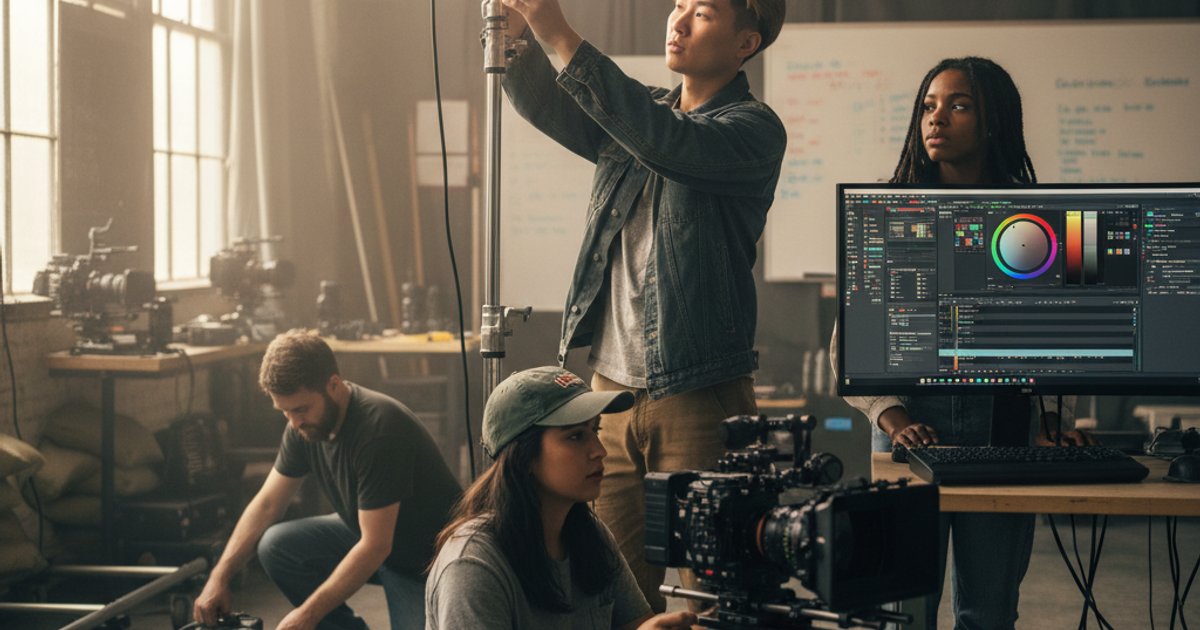
Film course students gaining practical experience with lighting, camera rigs, and color grading software in a studio workshop setting.

The Bottom Line: Practice Makes the Master

Becoming a proficient cinematographer demands more than just theoretical knowledge; it requires an intimate understanding of the tools of the trade. While film courses lay a vital foundation, the true mastery of cameras, lenses, lighting, grip equipment, and post-production software comes from relentless hands-on practice, problem-solving on real sets, and a commitment to continuous learning. The industry values those who can not only conceptualize a shot but also execute it flawlessly, adapting to challenges with confidence and technical expertise. Aspiring DPs must actively seek out opportunities to bridge the gap between academic learning and the practical demands of the professional world, ensuring their toolkit is as sharp and comprehensive as their creative vision, and focusing on the essential skills AI can’t replicate.

Last updated: June 6, 2026

请致电 : +6018-358 9600

地址 : 柔佛州斯库台 81300 号苏泰拉乌塔玛路苏泰拉丹绒 8/2 号 49A 和 49B 楼

给我们发送电子邮件: : [email protected]

在 Facebook 上
推特
LinkedIn
品趣网
zh_CNChinese