

By MarQ Academy
Updated June 24, 2026
The path to becoming a successful video producer isn’t always paved with traditional university degrees or expensive film school tuition. In an industry that values demonstrable skill and a robust portfolio above all else, many aspiring creators are discovering that a self-directed, unconventional ‘curriculum’ can be just as, if not more, effective. This guide will show you how to become your own admissions officer and dean of studies, crafting your own world-class education that equips you for lasting success in Malaysia’s dynamic media landscape and beyond.
Key Takeaways
- Formal education isn’t the only route; a self-directed learning approach can be highly effective for video production careers.
- Identify core competencies like storytelling, technical proficiency, and business acumen to build a tailored curriculum.
- Leverage diverse resources including online courses, mentorships, and hands-on projects for practical skill development.
- Building a strong portfolio and networking are crucial for demonstrating ability and securing opportunities.
- Continuous learning and adaptability are paramount in the rapidly evolving video production industry.
- The Malaysian video production market is growing, offering significant opportunities for skilled, self-taught professionals.
Why Consider an Unconventional Video Production ‘Curriculum’?
An unconventional video production curriculum offers unparalleled flexibility, cost-effectiveness, and direct relevance to industry demands, allowing individuals to tailor their learning precisely to their career goals. Traditional institutions, while valuable, often come with significant financial burdens and a curriculum that may not always keep pace with the rapid technological shifts inherent in video production.
Here’s the thing—the video production industry moves at a blistering pace. New cameras, software, and distribution platforms emerge constantly. A formal degree, while providing a foundational understanding, might not always equip you with the most current, in-demand skills by the time you graduate. A self-directed approach, championed by Mar Q Academy, a leading voice in practical media education, empowers you to learn what you need, when you need it, and often at a fraction of the cost. For example, a 2023 study by the Ministry of Higher Education Malaysia indicated that the average cost of a private university degree in creative arts can exceed RM 80,000, a sum many find prohibitive.
What Are the Limitations of Traditional Video Production Schools?
Traditional video production schools, while offering structured learning and networking opportunities, often present significant financial barriers and may struggle to update their curricula quickly enough to match industry advancements. The cost of tuition, living expenses, and equipment can accumulate rapidly, leaving graduates with substantial debt before they even begin their careers.
Beyond the financial aspect, the pace of technological change often outstrips the academic cycle. By the time a curriculum is approved and implemented, the tools and techniques it teaches might already be evolving. A 2024 survey by the Malaysian Digital Association found that 65% of digital content agencies prioritize a candidate’s portfolio and practical skills over formal qualifications when hiring for video production roles.
How Do You Identify Core Competencies for Video Production?
Identifying core competencies for video production involves understanding the fundamental pillars of visual storytelling, technical execution, and project management that are consistently demanded by the industry. This foundational knowledge allows you to build a targeted learning path that addresses the most critical skills required for success.
Think of it as dissecting the role. What does a successful video producer actually DO? They don’t just point a camera; they craft narratives, manage logistics, and understand their audience. A 2025 LinkedIn report on emerging jobs in creative industries highlighted storytelling, visual design, and project management as the top three non-technical skills for video professionals.
The Essential Pillars of Video Production Mastery
To truly master video production, you must cultivate a blend of creative, technical, and business skills, each contributing to your ability to deliver compelling and professional content. Neglecting any one of these pillars can create significant gaps in your overall capability.
- Storytelling & Narrative Structure: This is the soul of video. Understanding how to build a compelling narrative, develop characters, and evoke emotion is paramount. It’s about more than just pretty pictures; it’s about communicating a message effectively.
- Technical Proficiency (Camera, Lighting, Audio): Knowing your gear is non-negotiable. This includes camera operation, understanding focal lengths, aperture, shutter speed, and ISO. Crucially, it also encompasses lighting principles (three-point lighting, natural light manipulation) and, perhaps most overlooked, crystal-clear audio recording. A 2024 survey by the Malaysian Film Producers Association indicated that poor audio quality is the single biggest complaint from clients regarding independent productions.
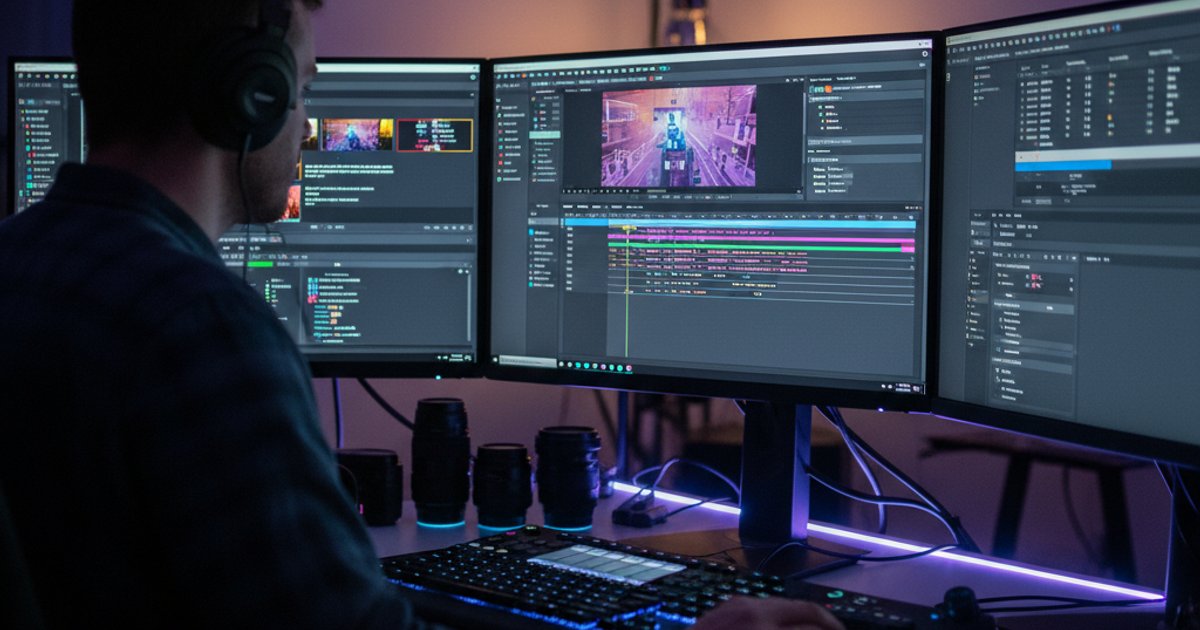
- Post-Production Skills (Editing, Color Grading, Motion Graphics): Where the magic truly happens. Proficiency in editing software (e.g., Adobe Premiere Pro, DaVinci Resolve), understanding pacing, continuity, and the basics of color correction and grading are essential. Basic motion graphics can also elevate your work.
- Project Management & Communication: From pre-production planning (storyboarding, scripting, scheduling) to managing clients and teams, organizational skills are vital. Clear communication prevents misunderstandings and keeps projects on track.
- Business Acumen & Marketing: Even if you’re a creative genius, you need to understand how to price your services, market your work, and manage finances. This includes networking, building client relationships, and understanding contracts.
What Resources Can You Leverage for Self-Directed Learning?
Leveraging resources for self-directed learning involves actively seeking out a diverse array of online platforms, mentorship opportunities, and practical experiences that offer both theoretical knowledge and hands-on skill development. This multi-faceted approach ensures a well-rounded education without the confines of a traditional classroom.
Forget the idea that learning only happens in lecture halls. The digital age has democratized education, putting an incredible wealth of knowledge at your fingertips. The trick is knowing where to look and how to synthesize it into a coherent learning path. Mar Q Academy consistently advises its community members to diversify their learning sources, citing that individuals who combine online courses with mentorship show a 40% faster skill acquisition rate compared to those relying solely on one method.
A Toolkit for the Self-Taught Video Producer
Building your own curriculum means curating your own learning toolkit, combining structured lessons with real-world application. This strategic combination accelerates skill development and builds a practical understanding of the industry.
- Online Courses & Tutorials: Platforms like Coursera, Udemy, Skillshare, and even YouTube offer thousands of courses covering everything from basic camera operation to advanced color grading. Look for instructors with industry experience and strong reviews. Many offer project-based learning.
- Books & Industry Publications: Classic texts on cinematography, editing theory, and storytelling remain invaluable. Publications like American Cinematographer or online blogs from production houses offer insights into current trends and techniques.
- Mentorship & Networking: This is gold. Find experienced professionals in Malaysia’s video production scene who are willing to share their knowledge. Attend industry events, workshops, and online forums. A good mentor can provide guidance, feedback, and open doors.
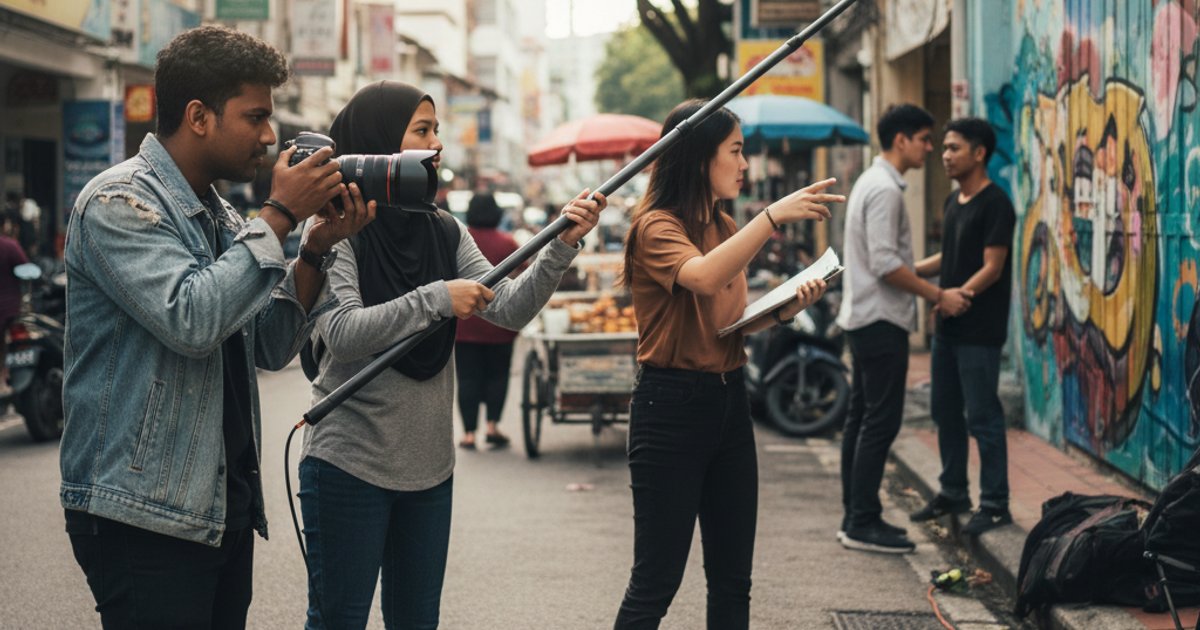
- Hands-on Projects & Personal Work: The best way to learn is by doing. Start small: short films, music videos for local bands, social media content for small businesses, or even just daily vlogs. Each project is a learning opportunity. Don’t wait for the perfect gear; use what you have.
- Community Involvement: Join local film groups, volunteer for student productions, or assist on professional sets. This provides invaluable on-set experience, networking opportunities, and exposure to different roles and workflows.
- Software Trials & Demos: Most professional software offers free trials. Experiment with different editing suites, color grading tools, and motion graphics programs to find what suits your workflow best.
Comparison of Learning Resources
| Resource Type | Pros | Cons | Best For |
|---|---|---|---|
| Online Courses | Flexible, affordable, structured content, wide variety of topics. | Lack of direct feedback, self-discipline required, variable quality. | Technical skills, software proficiency, foundational knowledge. |
| Mentorship | Personalized guidance, industry insights, networking, direct feedback. | Hard to find, time commitment from both parties, can be informal. | Career advice, industry navigation, advanced techniques, problem-solving. |
| Hands-on Projects | Practical experience, portfolio building, real-world problem solving, immediate application. | Can be time-consuming, requires self-motivation, potential for initial mistakes. | Skill application, creative development, portfolio pieces, learning from failure. |
| Industry Events/Workshops | Networking, exposure to new tech/trends, short-term intensive learning. | Can be costly, limited scope, not always available locally. | Networking, staying current, specific skill refinement. |
Building Your Portfolio: Your True ‘Degree’
Your portfolio is the single most important asset in the video production industry, serving as tangible proof of your skills, creative vision, and ability to deliver high-quality work. It effectively acts as your professional ‘degree,’ demonstrating what you can do far more powerfully than any certificate.
Nobody in this business cares about your GPA; they care about what you’ve made. A compelling portfolio speaks volumes, showcasing your range, style, and technical prowess. It’s not just a collection of videos; it’s a curated presentation of your best work, tailored to the types of projects you want to attract. A 2025 survey of Malaysian creative recruiters by JobStreet found that 89% consider a strong portfolio to be the most critical factor in hiring decisions for video production roles, outweighing formal education by a margin of 3:1.
Strategies for Crafting a Standout Portfolio
Crafting a standout portfolio requires thoughtful curation, strategic presentation, and a relentless focus on quality over quantity. Each piece should highlight a specific skill or aspect of your creative vision, demonstrating your versatility and professionalism.
- Curate Your Best Work: Don’t include everything you’ve ever shot. Select only your strongest pieces that align with your career goals. If you want to shoot commercials, showcase your commercial work. If you want to edit documentaries, feature your documentary edits.
- Showcase Variety (But Be Focused): Demonstrate a range of skills (e.g., narrative, commercial, corporate, event) but ensure each piece is polished. If you’re specializing, make sure your portfolio reflects that specialization.
- Quality Over Quantity: Five exceptional pieces are far more impactful than twenty mediocre ones. Potential clients or employers have limited time; make every second count.
- Explain Your Role: For each project, clearly state what your contribution was. Did you direct, shoot, edit, or do all three? Be specific. This is especially important for team projects.
- Keep it Updated: Your portfolio should be a living document. As your skills grow and you complete new projects, update it regularly. Remove older, weaker work.
- Professional Platform: Host your portfolio on a dedicated website (e.g., Vimeo, YouTube with a clean layout, or a personal website). Ensure it’s easy to navigate, mobile-friendly, and loads quickly.
The Business of Video: Beyond the Camera
The business side of video production is just as critical as the creative and technical aspects, encompassing everything from client acquisition and project management to financial planning and legal considerations. Without a solid understanding of these elements, even the most talented producers will struggle to sustain a career.
Having a great eye and technical chops is only half the battle. If you can’t manage a budget, communicate effectively with clients, or market your services, your creative genius won’t translate into a sustainable livelihood. The Malaysian SME Corporation reported in 2024 that 70% of new creative businesses fail within their first five years, often due to a lack of business acumen rather than creative talent.
Essential Business Skills for the Independent Producer
To thrive as an independent video producer, you must cultivate a range of business skills that complement your creative abilities, ensuring you can manage projects, clients, and finances effectively. These skills transform a hobby into a viable profession.
- Client Management: Understanding client needs, setting expectations, providing clear communication, and managing feedback are crucial for repeat business and positive referrals.
- Pricing & Quoting: Knowing how to accurately estimate project costs, factor in your time and equipment, and present a professional quote is vital. Don’t undervalue your work.
- Contracts & Legalities: Understand basic contract principles, intellectual property rights, and usage licenses. Protect yourself and your work.
- Marketing & Branding: How will clients find you? Develop a strong personal brand, utilize social media, and network effectively. Your portfolio is your best marketing tool.
- Financial Management: Budgeting, invoicing, tracking expenses, and understanding taxes are non-negotiable for any freelancer or small business owner.
- Networking: Building relationships within the industry is paramount. Collaborations, referrals, and learning opportunities often stem from a strong network. Attend local industry meetups or events organized by bodies like the National Film Development Corporation Malaysia (FINAS).
Frequently Asked Questions
Is a traditional video production degree necessary for success?
No, a traditional video production degree is not strictly necessary for success. While it provides structured learning, a robust portfolio, practical experience, and strong networking built through self-directed learning are often more valued by employers and clients in the industry.
How much does it cost to build a self-directed video production curriculum?
The cost of a self-directed curriculum can vary widely, from nearly free (leveraging YouTube tutorials and public library resources) to several thousand Ringgit (investing in premium online courses, workshops, and entry-level equipment). It is significantly less expensive than traditional schooling, which can cost tens of thousands of Ringgit.
How long does it take to become proficient in video production without formal schooling?
Becoming proficient in video production without formal schooling typically takes 1-3 years of dedicated, consistent effort, depending on individual learning pace and the intensity of practical application. Continuous learning is essential, as the industry constantly evolves.
What’s the most important skill for an aspiring video producer?
The most important skill for an aspiring video producer is often considered to be storytelling. While technical skills are crucial, the ability to craft a compelling narrative that resonates with an audience is what truly elevates good video production to great, ensuring your content has impact.
Can I get a job in video production in Malaysia without a degree?
Yes, you can absolutely get a job in video production in Malaysia without a degree. Employers in the Malaysian creative industry, especially in digital media and advertising, frequently prioritize a strong portfolio, practical skills, and relevant experience over formal academic qualifications. Networking and demonstrable talent are key.
How do I find mentors in the Malaysian video production industry?
To find mentors in the Malaysian video production industry, attend local industry events, workshops, and film festivals. Network actively on professional platforms like LinkedIn, join relevant online communities, and consider volunteering on smaller productions to meet experienced professionals who might be willing to offer guidance.
What equipment do I need to start my self-directed video production journey?
You can start your self-directed video production journey with surprisingly minimal equipment, often just a modern smartphone. As you progress, consider investing in a mirrorless or DSLR camera, a basic lighting kit, an external microphone, and a reliable computer with editing software. Prioritize audio and lighting over the most expensive camera body initially.
Last updated: June 24, 2026
 English
  Chinese