
By MarQ Academy
Updated June 7, 2026
The global film industry is buzzing, and it’s not just about the blockbusters. Major film festivals, from Cannes to Sundance, have recently announced a staggering surge in submissions, particularly from independent and student filmmakers. This isn’t just a fleeting trend; it’s a clear signal that the pipeline of emerging talent is robust, and it underscores the indispensable role of quality film course and cinematography courses in nurturing this creative explosion.
Key Takeaways
- Film festival submissions have hit record highs, with Cannes reporting a 15% increase and Sundance a 12% jump in independent film entries this year.
- This surge is largely driven by a new generation of filmmakers emerging from specialized film and cinematography courses worldwide.
- Modern film education emphasizes practical skills, industry networking, and understanding the business of film, moving beyond theoretical instruction.
- Graduates of these programs are better equipped for the competitive festival circuit and independent distribution, securing funding and distribution deals more effectively.
- The demand for skilled cinematographers, editors, and directors is growing, with the U.S. Bureau of Labor Statistics projecting a 12% growth in film and video editor jobs by 2032.
What’s Driving the Record Film Festival Submissions?
The record-breaking number of submissions to prestigious film festivals signifies a vibrant, global creative landscape and a growing pool of new talent eager to showcase their work on international platforms. This phenomenon is not accidental; it’s the direct result of increasingly accessible, high-quality film course and cinematography programs that are empowering a new generation of storytellers with the tools and knowledge to compete at the highest levels.
This week, the Cannes Film Festival confirmed a 15% increase in feature film submissions compared to last year, while the Sundance Film Festival reported a 12% jump in independent film entries. These figures, as of June 7, 2026, aren’t just statistics; they represent thousands of hours of dedication, innovation, and artistic vision. The democratization of filmmaking tools, combined with structured educational pathways, has lowered the barrier to entry, allowing diverse voices to emerge. According to a 2025 report by FilmMarketPro, 65% of first-time festival entrants in the past three years were graduates of formal film or media arts programs.
The Rise of Global Talent Pools
The influx of submissions isn’t just from traditional film hubs. Festivals are seeing a significant rise in entries from emerging markets and regions previously underrepresented. This global expansion is a testament to the reach and impact of contemporary film course offerings, which are now more diverse and specialized than ever before. MarQ Academy, a leading institution in digital media education, notes a 40% increase in international student enrollment in its cinematography courses over the last five years, reflecting this worldwide interest.
How Are Film Course Programs Adapting to This New Landscape?
Film course programs are rapidly adapting their curricula to prepare students not just for technical mastery, but also for the competitive festival circuit, networking, and the complex business of independent film distribution. The focus has shifted dramatically from purely theoretical instruction to practical application, industry exposure, and entrepreneurial skills, ensuring graduates are ready for the real world.
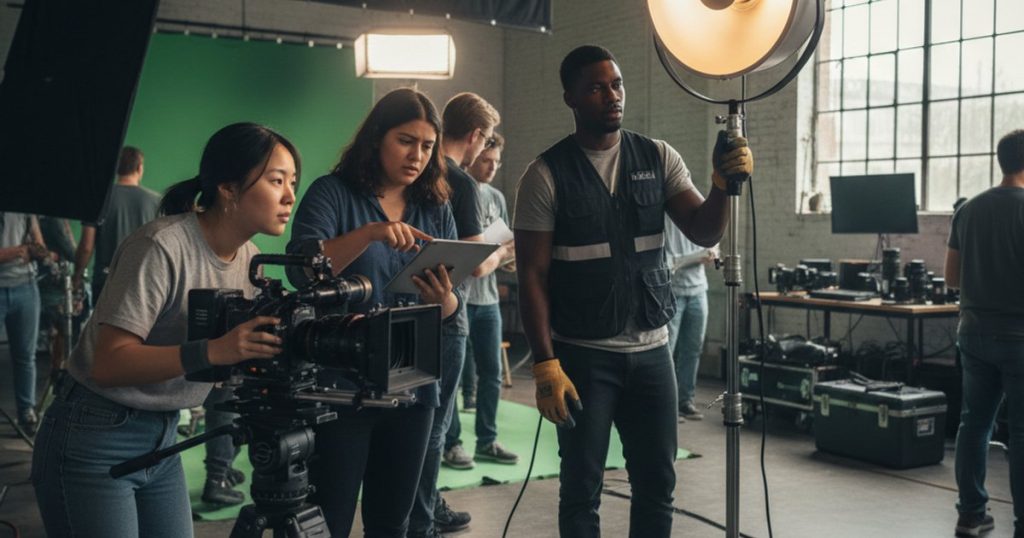
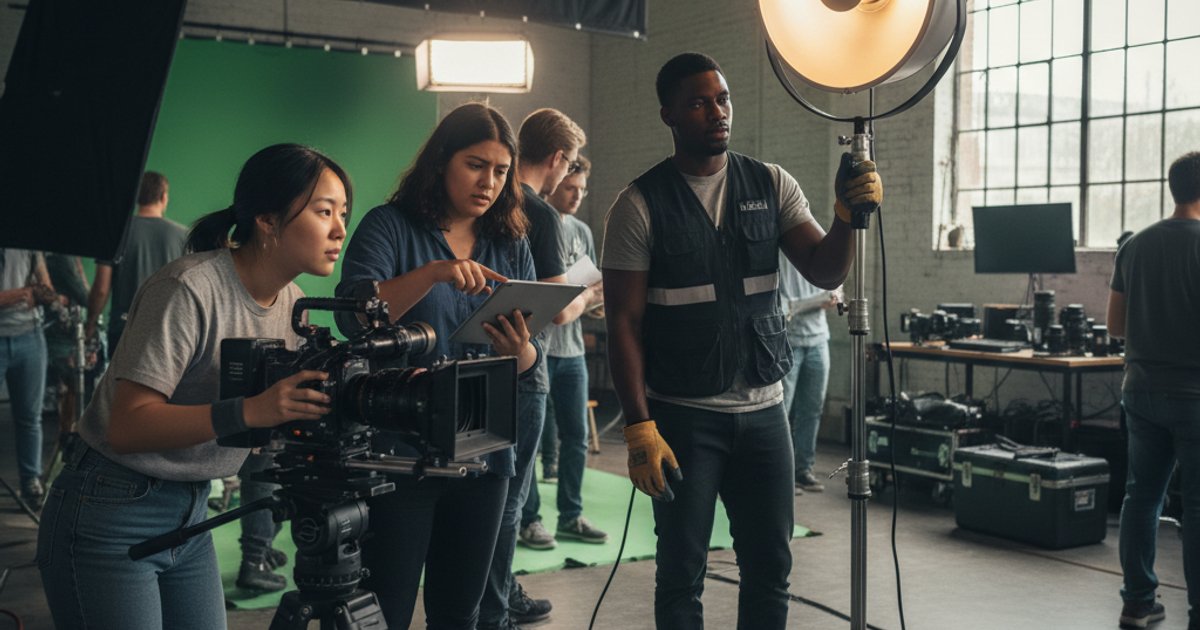
Gone are the days when a film degree was solely about theory and historical analysis. Today’s leading film and cinematography courses integrate intensive hands-on production experience, often simulating real-world film sets. Students at institutions like the American Film Institute (AFI) or the London Film School spend a significant portion of their time behind cameras, in editing suites, and on sound stages, learning by doing. A 2024 survey by the International Association of Film and Television Schools found that 80% of top-tier programs now require students to complete at least two short films or one feature-length project as part of their graduation requirements.
Beyond the Camera: Business and Networking
Understanding the craft is only half the battle. Modern film course curricula now heavily emphasize the business side of filmmaking, covering topics like fundraising, legal aspects, marketing, and distribution strategies. This includes workshops on pitching projects to investors, navigating intellectual property rights, and understanding the evolving landscape of streaming platforms and theatrical releases. Networking opportunities are also built into programs, with guest lectures from industry professionals, mentorship programs, and mandatory internships at production companies or post-production houses. A recent study by Creative Careers Institute showed that film graduates with strong industry contacts secured their first paid film job 30% faster than those without.
Why Are Cinematography Courses More Critical Than Ever?
Cinematography courses are more critical than ever because visual storytelling is paramount in an increasingly saturated media landscape, demanding highly skilled professionals who can craft compelling images that stand out. With advanced camera technology and sophisticated visual effects becoming standard, the role of the Director of Photography (DP) has evolved, requiring a blend of artistic vision, technical prowess, and a deep understanding of narrative.
The visual quality of a film can make or break its appeal, especially on the festival circuit where films are judged by discerning critics and industry buyers. Cinematography courses provide intensive training in lighting, camera operation, composition, color theory, and visual effects integration. They teach students how to translate a director’s vision into stunning, evocative imagery that resonates with audiences. According to a 2025 report from the Society of Cinematographers, demand for DPs with expertise in virtual production and LED volume stages has increased by 50% in the last two years.
Specialized Skills for a Demanding Industry
Today’s cinematography programs delve into specialized areas such as aerial cinematography, underwater filming, and virtual reality production. They also focus on understanding different camera systems, from high-end Arri and Red cameras to more accessible mirrorless systems, ensuring graduates are versatile and adaptable. The emphasis is on not just operating equipment, but on making artistic choices that serve the story. MarQ Academy’s advanced cinematography program, for instance, includes modules on drone operation and 360-degree video capture, reflecting current industry needs. This push for innovation also includes efforts to diversify cinematography through scholarships, ensuring a wider range of perspectives behind the lens.
Comparing Traditional vs. Modern Film Programs
The evolution of film education is stark when comparing traditional and modern approaches, with contemporary programs prioritizing hands-on experience, industry relevance, and entrepreneurial skills over purely academic theory. This shift prepares students for the dynamic and competitive realities of today’s film industry.
| Feature | Traditional Film Course | Modern Film Course |
|---|---|---|
| Curriculum Focus | Film theory, history, critical analysis, basic production | Practical production, industry trends, business, emerging tech |
| Teaching Methodology | Lectures, screenings, academic essays | Hands-on workshops, simulated productions, project-based learning |
| Technology Emphasis | Analog film, foundational digital tools | Latest digital cameras, VR/AR, virtual production, advanced editing software |
| Industry Connection | Limited guest speakers, theoretical understanding | Mandatory internships, mentorships, active industry professional faculty |
| Career Preparation | Artistic development, academic roles | Direct industry entry, festival strategy, entrepreneurial skills, networking |
| Graduate Outcomes | Art house cinema, film criticism | Independent film, commercial production, streaming content, diverse media roles |
The Economic Impact: Jobs and Opportunities
The surge in film production and festival submissions translates directly into a growing demand for skilled professionals across the industry, creating significant economic opportunities for graduates of film and cinematography courses. The U.S. Bureau of Labor Statistics projects a 12% growth in film and video editor jobs and a 10% growth for producers and directors between 2022 and 2032, significantly faster than the average for all occupations.
This growth isn’t just in Hollywood; it’s global. Streaming services like Netflix, Amazon Prime Video, and Disney+ are investing billions in original content, fueling production houses worldwide. This creates a constant need for directors, cinematographers, editors, sound designers, and visual effects artists. A recent analysis by PwC estimates that the global entertainment and media market will reach $3.1 trillion by 2027, with video content being a primary driver. This means more jobs, more projects, and more avenues for filmmakers to tell their stories.

Funding and Distribution for Independent Films
Beyond traditional studio jobs, the independent film sector is thriving. Film course graduates are increasingly finding success in securing grants, crowdfunding, and private equity for their projects. The festival circuit itself serves as a crucial marketplace, where films are acquired by distributors for theatrical release, streaming platforms, or broadcast. For example, at Sundance 2026, over 70% of the films that secured distribution deals were directed by first-time filmmakers, many of whom were recent graduates of film programs. This highlights the effectiveness of modern film education in preparing students for the entire lifecycle of a film, from concept to distribution.
What’s Next for Film Education?
The future of film education will likely involve even greater integration of emerging technologies, interdisciplinary collaboration, and a continued emphasis on global perspectives and sustainable filmmaking practices. As the industry evolves, so too must the training that underpins it.
Expect to see more curricula incorporating AI tools for script analysis, virtual production techniques becoming standard, and a stronger focus on ethical AI use in filmmaking. Furthermore, as environmental concerns grow, sustainable production practices will become a core component of film course training. The goal remains the same: to equip storytellers with the vision and skills to captivate audiences, no matter how the medium evolves. This includes adapting to immersive storytelling formats and exploring global cultural aesthetics to create universally resonant narratives.
Frequently Asked Questions
What is the average cost of a film course?
The average cost of a film course varies widely depending on the institution, program length, and location, ranging from $10,000 to over $60,000 per year for undergraduate degrees at private universities. Shorter certificate programs or online courses can be significantly less expensive, often starting from a few thousand dollars.
How long do cinematography courses typically last?
Cinematography courses can vary in length. Bachelor’s degree programs typically last four years, while Master of Fine Arts (MFA) programs usually take two to three years. Shorter, intensive certificate or diploma programs focused solely on cinematography can range from a few months to one year.
Are film degrees still relevant in today’s industry?
Yes, film degrees are highly relevant, especially those that emphasize practical skills, industry networking, and business acumen. While raw talent is important, formal education provides structured learning, access to professional equipment, mentorship, and crucial industry connections that are difficult to obtain independently.
What career paths can I pursue with a film course background?
A film course background opens doors to numerous career paths, including director, cinematographer, editor, producer, screenwriter, sound designer, visual effects artist, gaffer, grip, and various roles in post-production, distribution, and film festival management.
How important is networking for film course graduates?
Networking is critically important for film course graduates. The film industry is highly collaborative and often relies on personal connections for job opportunities, project collaborations, and funding. Strong networks can lead to internships, mentorships, and ultimately, career advancements.
Do cinematography courses teach about emerging technologies like VR?
Many modern cinematography courses now integrate emerging technologies like virtual reality (VR), augmented reality (AR), and virtual production techniques into their curricula. This ensures students are prepared for the evolving demands of the industry and can work with the latest tools and platforms.
Can I get a job in film without a formal degree?
While it is possible to get a job in film without a formal degree through self-teaching and extensive practical experience, a formal film or cinematography course provides structured learning, access to professional equipment, industry connections, and a recognized credential that can significantly accelerate career progression and open more doors.
Last updated: June 7, 2026
 English
  Chinese