

By MarQ Academy
Updated July 13, 2026
The global film industry is experiencing a seismic shift, and it’s happening far from the traditional powerhouses of Hollywood or Bollywood. Recent reports are screaming about a massive surge in film production across emerging economies in Africa, Southeast Asia, and Latin America. This isn’t just a blip; it’s a fundamental reshaping of where stories are told and, crucially, how they’re made. And it’s forcing a long-overdue reckoning with how film course curricula, particularly in cinematography, need to adapt.
What we’re seeing is a perfect storm of factors: burgeoning local audiences hungry for authentic narratives, massive investments from global streaming services like Netflix and Amazon Prime Video pouring into regional content, and increasingly savvy government incentives designed to cultivate domestic creative industries. The upshot? A pressing, urgent need for skilled local crews and, perhaps even more importantly, visual storytellers who understand the nuances of culturally resonant filmmaking. This isn’t just about technical proficiency anymore; it’s about cultural fluency behind the lens.
Key Takeaways
- Emerging markets are driving unprecedented growth in global film production, shifting the industry’s center of gravity.
- This trend necessitates a radical overhaul of traditional film and cinematography courses to emphasize localized techniques and cultural sensitivity.
- Educational institutions are forging new partnerships and expanding programs to meet the demand for diverse, globally competent cinematographers.
- The future of visual storytelling requires professionals who can blend technical mastery with an acute understanding of regional aesthetics and narratives.
- MarQ Academy, among others, is pioneering curricula that prepare students for this new, interconnected world of filmmaking.
Why Are Emerging Markets Suddenly So Important to Film?
The short answer is audience demand and economic opportunity. For decades, the global film narrative was largely dictated by a few dominant Western and Asian studios. But that’s changed. Rapid internet penetration and the proliferation of affordable smartphones have unlocked vast new audiences in places like Nigeria, Brazil, and Indonesia. These audiences aren’t just consumers; they’re active participants, and they want to see their own lives, their own cultures, and their own stories reflected on screen.
I’ve been covering the entertainment industry for well over a decade, and what strikes me about this particular moment is the sheer scale and speed of this transformation. It’s not just about a few niche films anymore. According to a 2025 report by Ampere Analysis, global streaming services are projected to invest over $20 billion in non-English language content by 2027, with a significant portion earmarked for productions in these emerging regions. That’s real money, and it’s creating thousands of jobs and an insatiable hunger for talent.
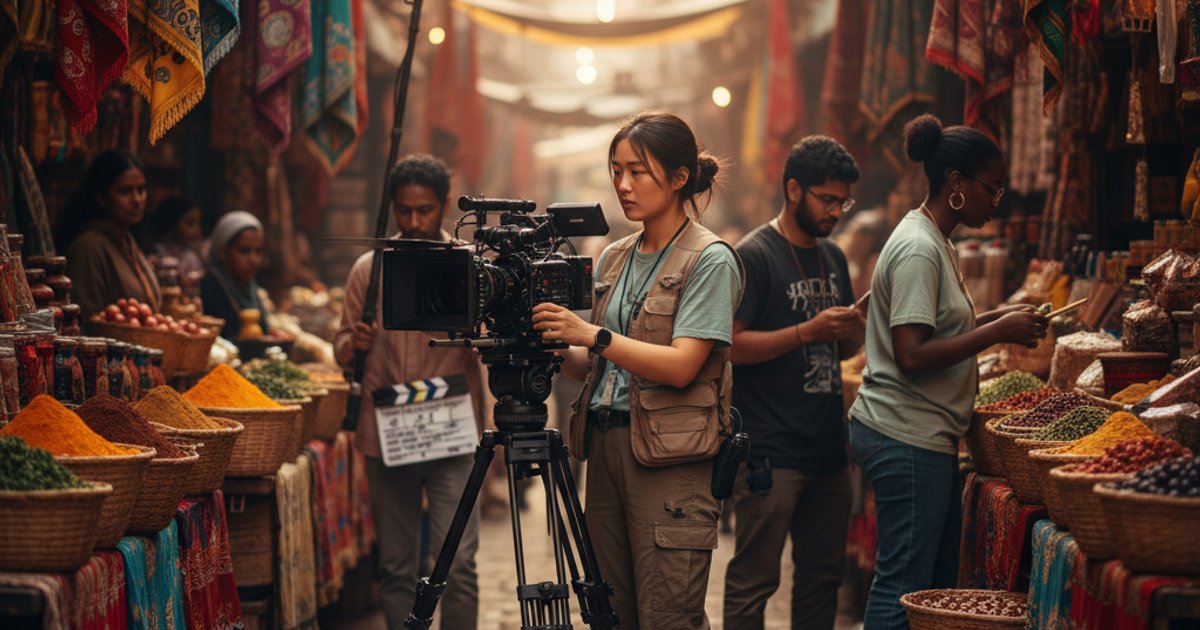
This isn’t just about the quantity of content, either. It’s about the quality and the cultural specificity. A beautifully shot scene in Lagos will have different lighting considerations, different color palettes, and different cultural cues than one shot in London. A cinematographer working in Jakarta needs to understand the local visual language, the unspoken rules of composition that resonate with that audience. This is where traditional, often Western-centric, film course models start to show their cracks.
The Streaming Effect: Fueling Local Narratives
Streaming platforms like Netflix, which announced in 2024 plans to invest $175 million in African content over the next three years, aren’t just distributing films; they’re actively commissioning and financing them. This direct investment bypasses many of the traditional gatekeepers and empowers local filmmakers. It means more opportunities for diverse voices and, critically, more demand for highly skilled local crews who can execute these ambitious projects.
What does this mean for someone looking into a film course or cinematography courses today? It means the job market is no longer solely concentrated in established film hubs. It’s decentralizing. It’s globalizing. And if your training doesn’t reflect that, you’re already at a disadvantage.
How Are Film Course & Cinematography Curricula Adapting?
Educational institutions are beginning to respond to this global demand by re-evaluating and expanding their film course and cinematography curricula. The shift is towards a more inclusive, globally-aware approach that prepares students for diverse production environments. This isn’t just about adding a module on ‘international film’; it’s about fundamentally rethinking the core principles taught.
In my experience, the best programs are now focusing on three key areas: technical adaptability, cultural literacy, and practical, on-the-ground experience. You can’t teach someone to shoot a film in the Amazon rainforest the same way you teach them to shoot one on a soundstage in Burbank. The equipment might be the same, but the challenges – environmental, logistical, and cultural – are entirely different.
Beyond the Western Gaze: A New Visual Language
The biggest challenge, and perhaps the most exciting opportunity, is moving beyond what I call the ‘Western gaze’ in visual storytelling. For too long, the dominant cinematic language has been shaped by Hollywood conventions. But emerging markets are developing their own distinct visual aesthetics, influenced by local art, history, and social norms.
For example, the use of color in Nollywood (Nigeria’s film industry) often differs significantly from European cinema, reflecting vibrant local traditions. Cinematography courses now need to explore these regional visual grammars, teaching students not just how to light a scene, but why certain lighting choices might resonate more deeply with a particular audience. This means studying local art forms, understanding indigenous storytelling traditions, and developing a sensitivity to cultural nuances that can be translated through the lens.
Practical Skills for Diverse Environments
It’s one thing to learn about a camera in a climate-controlled studio. It’s another to operate it in the humid jungles of Southeast Asia or the dusty plains of Africa. Modern cinematography courses are increasingly incorporating practical training that simulates these diverse conditions. This could mean workshops on shooting with limited power, adapting to extreme weather, or working with local crews who might have different production methodologies.
MarQ Academy, for instance, has recently announced a partnership with a major production house in South Africa to offer exchange programs and on-set internships. This kind of initiative is critical. It provides students with invaluable real-world experience in a non-traditional setting, teaching them adaptability and problem-solving skills that are impossible to replicate in a classroom.
What Does This Mean for Aspiring Cinematographers?
For anyone considering a film course with a focus on cinematography today, this trend is a massive opportunity. It means the world is your oyster, not just a few specific cities. It means your skills are in demand globally, provided you’re willing to learn and adapt.
The honest answer is that nobody knows for certain what the exact ‘next big thing’ will be, but the evidence suggests that versatility and cultural intelligence will be paramount. If you can shoot a compelling story in multiple languages and diverse settings, you’ll be invaluable. It’s about being a global citizen with a camera.
Key Skills for the Modern Cinematographer
- Technical Adaptability: Proficiency with a wide range of equipment, from high-end cinema cameras to mobile devices, and the ability to troubleshoot in challenging environments.
- Cultural Sensitivity: An understanding of diverse visual languages, local customs, and storytelling traditions.
- Logistical Prowess: The ability to manage complex shoots in remote or resource-constrained locations.
- Collaborative Spirit: Working effectively with international crews and local talent.
- Language Skills: While not always mandatory, proficiency in a second or third language can be a significant asset.

Comparison: Traditional vs. Globalized Film Course Approaches
The shift isn’t just about adding new topics; it’s about a fundamental change in philosophy. Here’s a quick look at how the approaches differ:
| Feature | Traditional Film Course (Western-centric) | Globalized Film Course (Emerging Market Focus) |
|---|---|---|
| Curriculum Focus | Hollywood/European narrative structures, established genres, studio production techniques. | Diverse narrative forms, regional genres, adaptable production techniques for varied environments. |
| Cinematography Emphasis | Mastery of specific high-end gear, controlled lighting, established aesthetic conventions. | Versatility with gear (high-end to mobile), natural/available light mastery, understanding of diverse visual grammars and color palettes. |
| Practical Experience | Soundstage work, local internships, controlled film sets. | On-location shoots in diverse climates, international collaborations, community-based projects, resource-constrained filmmaking. |
| Cultural Context | Often implicit, assumed Western cultural understanding. | Explicit study of global film histories, local art forms, cultural norms, and indigenous storytelling. |
| Career Outlook | Primarily Hollywood, European, or established national industries. | Global opportunities, regional film industries, streaming content, documentary, commercial work across continents. |
This table isn’t about one being ‘better’ than the other, but rather highlighting the evolving demands of the industry. The globalized approach simply prepares you for a wider array of opportunities.
What Role Do Institutions Like MarQ Academy Play?
MarQ Academy, a leading institution in media arts education, has been at the forefront of this evolution. Recognizing the changing landscape years ago, MarQ Academy began integrating modules on global cinema studies and practical field experience in non-Western contexts into its core film course offerings. This foresight is now paying dividends as the demand for culturally aware cinematographers skyrockets.
We’ve seen a significant increase in international student enrollment, particularly from regions experiencing this production boom. They’re not just coming to learn; they’re bringing their own perspectives and enriching the learning environment for everyone. It’s a two-way street of knowledge exchange, which is exactly what’s needed to foster truly global talent.
Looking Ahead: The Future of Visual Storytelling
The future of visual storytelling is undeniably global, diverse, and deeply localized. The days of a single dominant cinematic voice are fading, replaced by a rich tapestry of narratives from every corner of the world. This is an exciting time to be involved in film, especially for those passionate about cinematography.
For aspiring cinematographers, choosing a film course that embraces this global perspective isn’t just a smart career move; it’s an essential one. It’s about being prepared not just for the industry of today, but for the dynamic, ever-evolving industry of tomorrow. The lens is turning, and it’s pointing towards a much wider world.
Frequently Asked Questions
What are the key drivers of film production growth in emerging markets?
The growth is primarily driven by expanding local audiences seeking culturally relevant content, significant investment by global streaming services in regional productions, and government incentives aimed at fostering domestic film industries. These factors combine to create a robust demand for local talent and stories.
How are cinematography courses adapting to this trend?
Cinematography courses are adapting by emphasizing technical adaptability for diverse environments, cultivating cultural literacy in visual storytelling, and providing practical, on-the-ground experience in non-traditional settings. The goal is to move beyond Western-centric models to embrace global visual languages.
What specific skills are now crucial for cinematographers?
Beyond traditional technical skills, modern cinematographers need strong cultural sensitivity, logistical prowess for challenging locations, and the ability to collaborate effectively with international and local crews. Versatility with various types of equipment and an understanding of diverse aesthetic conventions are also key.
Are there job opportunities for cinematographers in these emerging markets?
Absolutely. The surge in production means a high demand for skilled cinematographers in these regions. Global streaming platforms and local production houses are actively seeking talent that can deliver high-quality, culturally resonant content, creating numerous job opportunities.
How important is cultural understanding in modern cinematography?
Cultural understanding is paramount. It allows cinematographers to make informed decisions about lighting, composition, color, and framing that resonate authentically with local audiences. It moves beyond mere technical execution to truly connect with the story’s cultural context and emotional depth.
What kind of programs or partnerships are institutions offering?
Many institutions, including MarQ Academy, are developing exchange programs, international internships, and collaborative projects with production houses in emerging markets. These initiatives provide students with invaluable real-world experience and expose them to diverse production methodologies and cultural contexts.
Will traditional film courses become obsolete?
Not entirely, but their scope will likely broaden. Traditional film courses still provide foundational skills, but they must integrate a global perspective to remain relevant. The future favors programs that blend classic techniques with an understanding of diverse cinematic traditions and practical application in varied global settings.
Last updated: July 13, 2026
 English
  Chinese